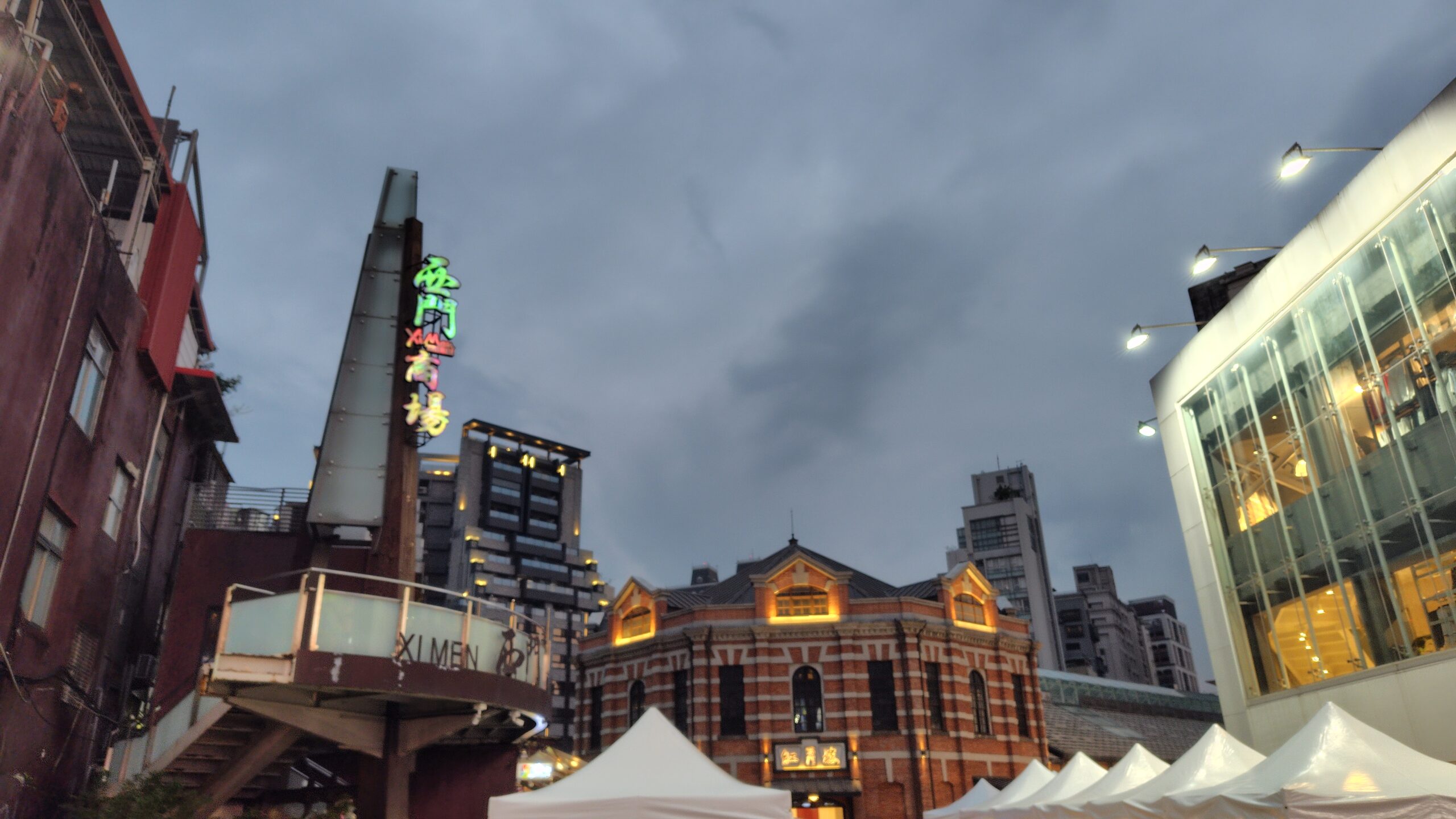
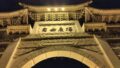
今日の写真は西門地区の東京駅っぽい建物です。
ロシア語
プーシキンの≪Что в имени тебе моём…≫という詩です。
https://www.culture.ru/poems/5673/chto-v-imeni-tebe-moem
Но в день печали, в тишине, произнеси его тоскуя;
※егоが指すのは引き続き「私の名前」
печаль:悲しみ【女性名詞】 тишина:静寂 произнести:口に出す・言う【完了・про + из + нестиなので活用はнестиと一緒】 тосковать:悲しむ・憂鬱である【不完了・овать型】
<新出文法:副動詞>
英語の分詞構文のように、動詞を副詞化したものです。とはいっても、英語とは違うところが多くあります。
副動詞は2種類で、①~しながら(Ving,) ②~した後に(having P.P, )だけです。英語は分詞構文に様々な用法があります(~ので、~そして…)が、ロシア語の副動詞はこの2つの「時間」の意味だけです。また、能動だけで受動はないです(もともと動詞本体が受動の意味なら別ですが)。
作り方の「原則」は割とシンプルです。
①副動詞現在(~しながら): 現在語幹+я
②副動詞過去(~した後に): (1) 過去語幹が母音で終わるなら、過去語幹+в (2)過去語幹が子音で終わるなら、 過去語幹+ши
ただやっぱりアクセントとかいろいろ例外はあるっぽい…。
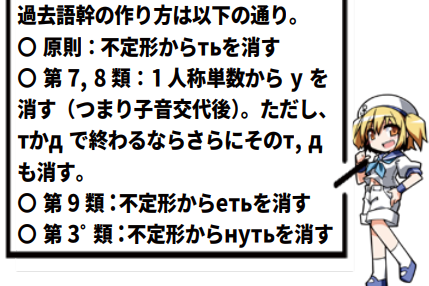
※過去語幹の作り方はちゆり様より↓
Но (в день対格(日なのでв+対格) печали単数生格), (в тишине前置格), произнеси命令形 его (тоскуя副動詞現在);
だが、つらい日に静寂の中で、憂いに沈みながらその名を口にするがよい。
英語
テキスト:19世紀末期のイギリスのSF小説『宇宙戦争』(The War of the Worlds)(H. G. Wells )https://www.gutenberg.org/files/36/36-h/36-h.htm#chap26
もし最初から読みたい人はこちら!→https://studyray.site/the_war_of_the_worlds_1-1/
今回は第9章10回(通算548話目)(延長放送9回)です。
問題編
The vestries* were indiscriminately (sent, bread, by, government, distributing, the, us, French). The ribs* of the few horses showed dismally*. Haggard* special constables* with white badges stood at the corners of every street. I saw little of the mischief wrought by the Martians until I reached Wellington Street, and there I saw the red weed clambering over the buttresses* of Waterloo Bridge.
vestry教区委員会 rib骨組み dismallyみじめに haggardやつれた constable巡査(下級警官) special constable:パートタイムのconstable buttresses:控え壁
青アンダーライン並び替え

vestry(教区委員会)というのは、その名の通り教区(parish)ごとに設けられた、一種の地方政府みたいな機関みたいだ。1900年ごろまではそれなりに政治的実力があったらしい。


↑ロンドンを管理下に置くスコットランド・ヤード(ロンドン警視庁)の警察バッジ(2025年現在)。確かに白いから、この警官はスコットランド・ヤードの巡査なんでしょうね。
↓スコットランド・ヤードの旗にも同じ紋章が刻まれているわ。

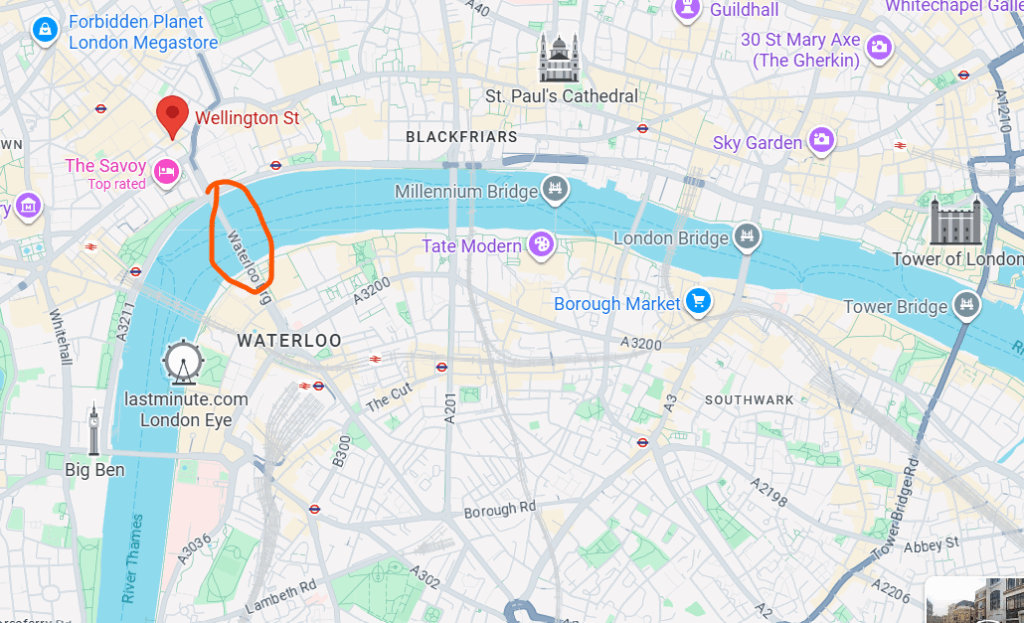
赤ピンがWellington Street、オレンジで囲ってるのがWaterloo Bridgeだ。
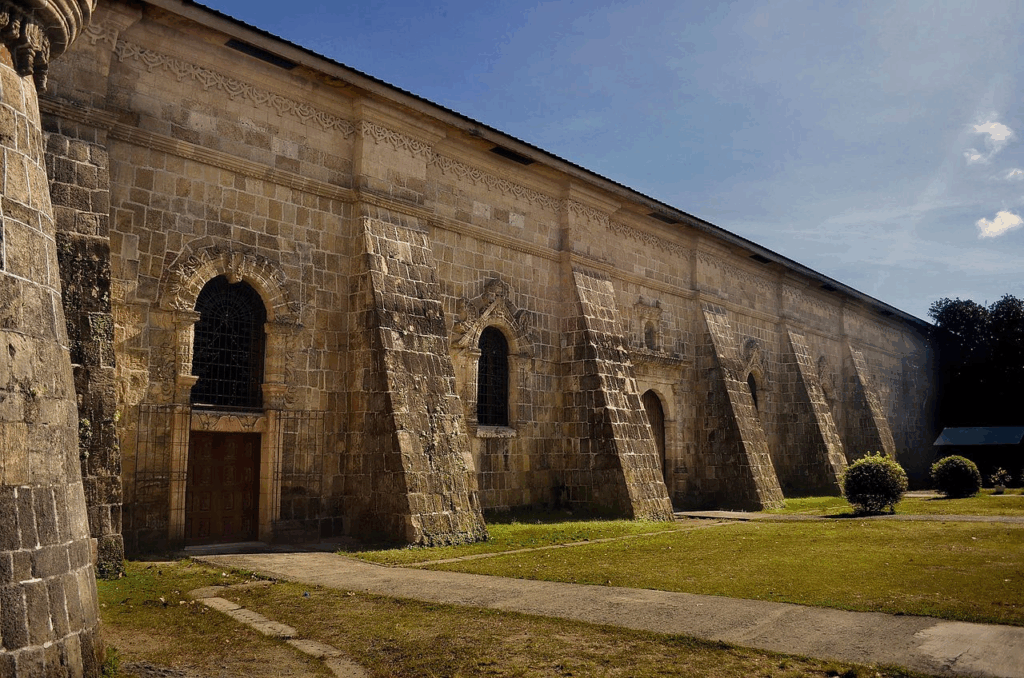
↓butress(控え壁)。壁に対して直角に突き出ている壁のことよ。
解答編
The vestries were (indiscriminately) distributing bread 〈sent us by the French government〉. The ribs* of the few horses showed dismally*. Haggard* special constables* (with white badges) stood (at the corners of every street). I saw little of the mischief 〈wrought by the Martians〉 【until I reached Wellington Street】, // and (there) I saw the red weed clambering (over the buttresses of Waterloo Bridge).
過去分詞句の後置修飾ね。
全訳
教区委員会は、フランス政府から送られたパンを分け隔てなく配っていた。数軒の家の骨組みは哀れな姿をさらしていた。やつれた臨時雇いの巡査はホワイトバッジをつけ、あらゆる通りの角に立っていた。ウェリントン・ストリートにつくまで、火星人の荒らした跡はほとんど見当たらなかったが、そこでウォータールー・ブリッジの控え壁を這っている赤草を見かけた。

「フランス政府から援助を受けた」と書かざるを得なかったのがしゃくだったのか、直後でウェリントン公爵(→Wellington Street)とかワーテルロー(→Waterloo Bridge)とか、ナポレオン戦争の戦勝記念にちなむ固有名詞書き散らしてるのはイギリス人のユーモアなのだろうか。
そういえば第357話にも、 She seemed, poor woman, to imagine that the French and the Martians might prove very similar.とかあったな。
英語
テキスト:19世紀末期のイギリスのSF小説『宇宙戦争』(The War of the Worlds)(H. G. Wells )https://www.gutenberg.org/files/36/36-h/36-h.htm#chap26
もし最初から読みたい人はこちら!→https://studyray.site/the_war_of_the_worlds_1-1/
今回は第9章10回(通算549話目)(延長放送10回)です。
問題編
At the corner of the bridge, too, I saw one of the common contrasts of that grotesque time—a sheet of paper flaunting* against a thicket* of the red weed, transfixed* by a stick that kept it in place. It was the placard* of the first newspaper to resume publication—the Daily Mail. I bought a copy for a blackened shilling* I found in my pocket. Most of it was in blank, but the solitary compositor* who did the thing had amused by making a grotesque scheme of advertisement stereo on the back page.
flaunt翻る thicket茂み transfix貫く・突き刺す placardはり紙 shilling1シリング(500円くらいかしら) compositor:植字工(活版印刷の技師) stereo:鉛版
青アンダーラインで不自然なところ
Daily Mail紙は1896年創刊の大衆タブロイド紙。2025年現在も発刊されているみたいだ。
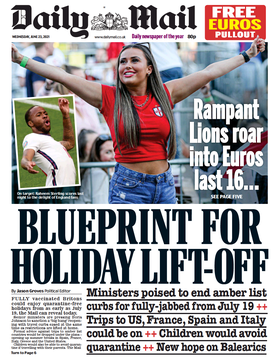
This specific image was obtained from PressReader.,
Fair use, https://en.wikipedia.org/w/index.php?curid=68210558
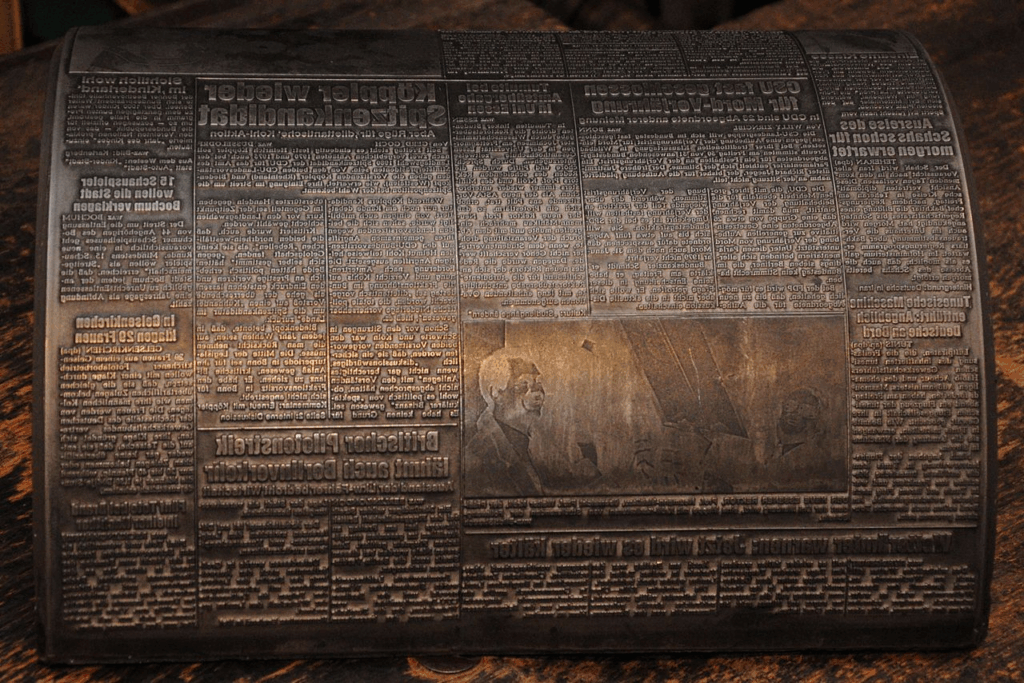
そうした新聞の印刷には、こうした版(stereo = stereotype)が使われてたみたいね。「ステレオタイプ」の語源よ。
解答編
(At the corner of the bridge, too), I saw one of the common contrasts of that grotesque time—a sheet of paper 〈flaunting* against a thicket* of the red weed〉, 〈transfixed* by a stick 〔that kept it in place〕〉. It was the placard* of the first newspaper to resume publication—the Daily Mail. I bought a copy (for a blackened shilling* 〔I found in my pocket〕). Most of it was in blank, // but the solitary compositor* 〔who did the thing〕 had amused himself (by making a grotesque scheme of advertisement stereo on the back page).
amuseの目的語を補う、、など。原文通りhimselfを補いました
全訳
ウォータールー・ブリッジの角でも、あの気味悪い時間と対照を成す典型例が見られたーー赤草の茂みを背景に翻っている1枚の紙に、枝が突き刺さって固定されていた。それは最初の新聞(デイリー・メール)が発刊を再開したというお知らせだった。ポケットにあった黒い1シリング硬貨で同紙を1部買った。ほとんど空白だったが、唯一の植字工は裏面に広告の奇妙な鉛版構成をして楽しんでいた。

コメント