『宇宙戦争』の和訳・英文法解説です。
<流れ>
①かっこを振っていない英文
②単語注(①でアスタリスクを振ったところ)
③設問
④かっこを振った英文
⑤設問の答え
⑥訳
第2章 第4段落

イギリスのヤードポンド法、メートル法から見るとわけわかんないんだけど。

1インチ≒2.5cm(1寸よりちょっと短い)
↓×12
1フィート≒30cm≒1尺
↓×3
1ヤード≒90㎝
↓×1760
1マイル(陸)≒1.6km
2.5cmの時点でもう無理だ
それになんだよ「1760倍」って
(…伝統なんだから仕方ないじゃない)

ちなみに、1マイル(海)=1海里≒1.8kmだ。

このころはイギリスでもまだヤードポンド法の全盛期ね。
ヤードポンド法も十分罪が重いが、砲の口径を砲弾の重さで表す文化はマジで大罪だと思う。
問題編
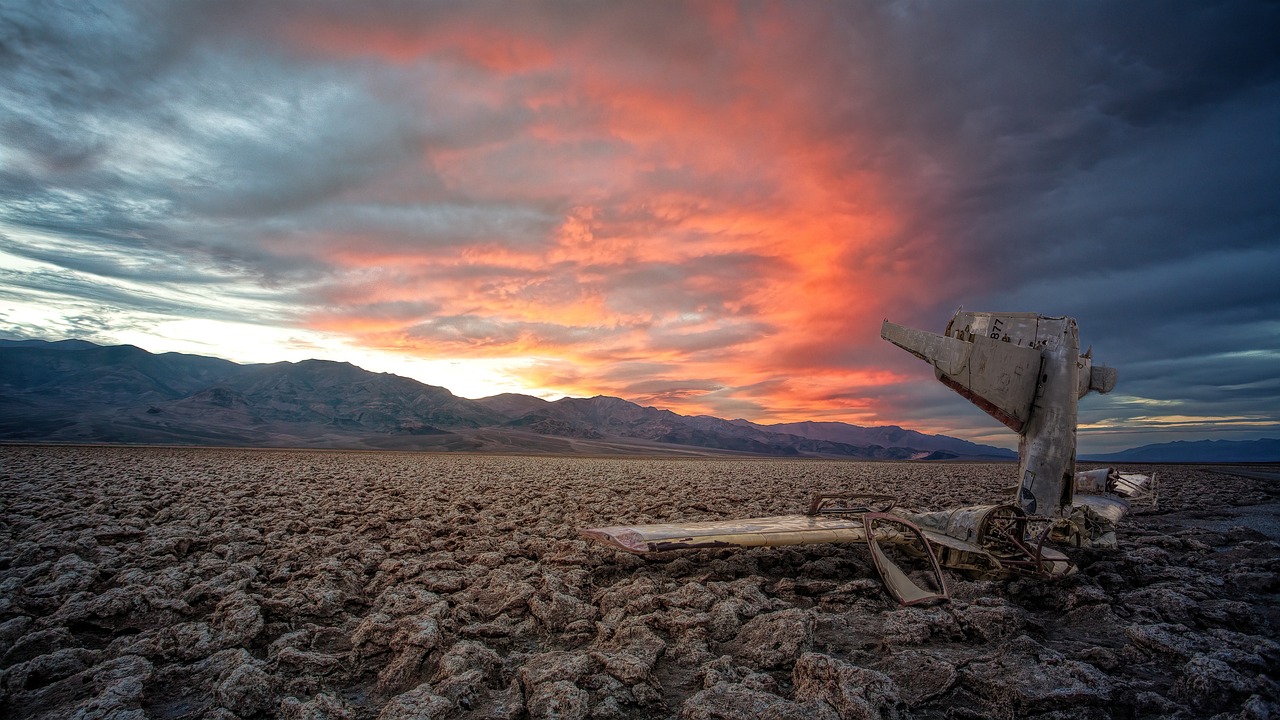
The Thing itself lay almost entirely buried* in sand, amidst* the scattered* splinters* of a fir tree* it had shivered* to fragments in its descent*. The uncovered part had the appearance of a huge cylinder*, caked* over and its outline* softened* by a thick scaly* dun-coloured* incrustation*. It had a diameter* of about thirty yards*. She approached the mass, surprised at the size and more so at the shape, since most meteorites are rounded* more or less completely. It was, however, still so hot from its flight through the air as to forbid* her near approach. A stirring* noise within its cylinder she ascribed* to the unequal cooling of its surface; for at that time it had not occurred to her that it might be hollow*.
buried(<bury過去形)埋める amidst真ん中 scatter散在する splinterかけら fir treeモミの木 shiver砕く descent降下 cylinder(円筒) cake(焦げが)こびりつく outline輪郭 soften柔らかな感じにする scalyうろこ状の dun-coloured焦げ茶色の incrustation外殻 diameter直径 yardヤード round丸くする forbid許さない stir動く ascribe A to B≒attribute A to B≒assign A to B AをBに帰する(ascribe<attribute<assignの順で確信度が高い) hollow中空の
1. 第1文、黄色マーカーの部分の文型表示は?
2. 赤アンダーラインの部分の訳は?
3. 紫の「so」が指すものは?
4. 黄色アンダーラインの訳は?
5. 青アンダーラインの文型表示は?
6. 青の「for」の意味は?
7. 赤マーカーの意味は?
解答編
ヒースなどの低木(前段落参照)と、モミの木などの針葉樹は、どちらも北ヨーロッパを象徴するもの。こうやって共有地に一緒に生えてることもよくあるわ。
<英文解釈記号ルール>
〔〕→関係詞句・節
【】→接続詞句・節
《》→挿入句・節
[ ] →名詞句・節
()→副詞句・節
〈〉→形容詞句・節
The Thing itself lay almost entirely buried* (in sand), (amidst* the scattered* splinters* of a fir tree* 〔it had shivered* to fragments in its descent*〕). The uncovered part had the appearance of a huge cylinder*, (caked* over) and (its outline* softened* by a thick scaly* dun-coloured* incrustation*). It had a diameter* of about thirty yards*. She approached the mass, (surprised at the size and more so at the shape), 【since most meteorites are rounded* more or less completely】. It was, 《however》, still so hot (from its flight through the air) as to forbid* her near approach. A stirring* noise 〈within its cylinder〉 she ascribed* to the unequal cooling of its surface; 【for (at that time) it had not occurred to her that it might be hollow*】.
1. 第1文、黄色マーカーの部分の文型表示は上の通り。buriedは分詞として見る解釈もあるかもしれないけど、lie C(Cのままだ)っていう語法がありますから。
2. 赤アンダーラインのとこは、caked overが普通の分詞構文、its outline以下は独立分詞構文。
3. 紫の「so」が指すものは「surprised」。soは一応副詞だけど、前の語を代用する働きもありますね。
4. 黄色アンダーラインの部分は、so~as to V:とても~なのでVする が見えればOK。
≒ so ~ that S V ≒ ~ enough to V
5. 青アンダーラインの文型表示は上の通り。OSVの第3文型倒置(っぽいもの)ですね。なおshe(代名詞)がもしOgilvina(名詞)でも、第3文型はOVSにはなりません。絶対OSVです。
6. 青の「for」の意味は「というのも~だからだ」。
7. 赤マーカーの部分は、it occurs to 人 that ~という考えが思い浮かんだ という構文。≒人 hit on 考え ≒ 人 come up with 考え ≒ 人 think of 考え
その「物体」自体は、ほぼ完全に砂に埋まったままだった。墜落のせいで砕かれて破片になったモミの木のかけらが散在する真ん中にあった。埋まってない部分は巨大な円筒の外見をしていた。焦げがこびり付いていて、厚くうろこ状の焦げ茶色の外殻のために、輪郭が柔らかい感じになっていた。直径は30 ヤード(≒27m)ほどだった。オギルヴィーナちゃんはそのかたまりに近づき、その大きさにも驚いたが、その円筒状の形状にもっと驚いた。というのも、ほとんどの隕石は多かれ少なかれ完全に球状になっているからだ。しかし、摩擦を受けながら落下してきてまだとても熱かったから、オギルヴィーナちゃんは接近できなかった。円筒の中で何かが動いてる音がしたが、表面がむらのある冷却を受けたせいだとオギルヴィーナちゃんは思ってた。というのも、円筒が中空かもしれないっていう考えはそのときには持ってなかったのだ。









コメント