<流れ>
①かっこを振っていない英文
②単語注(①でアスタリスクを振ったところ)
③設問
④かっこを振った英文
⑤設問の答え
⑥訳

はじめまして。このコーナーでの解説役、兼、小説中の語り手役を担当するGuP西住まほだ。
小説中で語り手のキャラクター性は薄いから、GuP西住まほのキャラで語り手のキャラを補完すると楽しいかもしれない。もちろんそうしなくてもOKだ。
ともあれ、どうぞよろしく!
『宇宙戦争』概略
『The War of the Worlds』(邦題『宇宙戦争』)は、1898年、イギリスのH. G. Wellsによって書かれたSF小説だ。
1900年ごろ、ロンドン近郊に火星人が侵攻してきたときの騒動を、数年経って語り手(わたし)が回想して書いている物語になるぞ。
この小説では1900年のイギリスの時代背景・地名・役職名といったものが豊富に登場する。そうしたものを把握しながら読み進めることが重要になるし、逆に言えばこの小説から時代情勢を学ぶこともできるのだ。
この1900年という時代はイギリスではヴィクトリア朝末期にあたり「帝国主義」の全盛期。イギリスは植民地を増やし続けている地球最強の国家だ。そして、侵攻してくる火星人は科学技術が発達した、太陽系最強の存在だ。地球最強VS太陽系最強の戦いだから、ギル様VSバーサーカーみたいにロマンあふれる戦いではあるが、一つ大事なことがある。それは、「火星人ーイギリス」の力関係が、「イギリスー植民地・動物」の力関係と一致しているということだ。これが序盤のひとつ大きなテーマとなるから覚えておいてほしい。
ともあれ、この小説は上下巻に分かれ、全部で27章あるそこそこの長編となっている。
さっそく始めていこう。
BOOK ONE.—THE COMING OF THE MARTIANS
上巻 ー 火星人の襲来
I. THE EVE OF THE WAR. 第1章「戦争前夜です!」
第1章 第1段落
第1章(特に第1段落)が一番難しい段落だ。面倒だったら日本語訳だけ読んで次に行ってくれ。第2章くらいになれば、わりと読みやすくなってくるし。
前半部
※一段落が長いので、2つに分けてます。
前半部 問題編
No one would have believed in the last years of the nineteenth century that this world was being watched keenly* and closely by intelligences greater than man’s* and yet* as mortal* as his own ; that as men busied themselves* about their various concerns* they were scrutinised* and studied, perhaps almost as narrowly* as a man with a microscope might scrutinise the transient* creatures that swarm* and multiply* in a drop of water. With infinite complacency* men went to and fro* over this globe about their little affairs, serene* in their assurance* of their empire over matter. It is possible that the infusoria* under the microscope do the same.
keenly鋭く man人間 yet≒but mortal死ぬ運命にある busy oneselfせわしく動く concerns懸念 scrutinise精査する narrowly念入りに transientはかない swarm群れる multiply増える complacency独善 to and froあちこち serene平和な assurance保証 infusoria繊毛虫類(※古い概念。水生微生物。)
1. オレンジ色の「and」が繋いでいるのは?
2. 赤色の「;」が繋いでいる部分は?
3. ピンク色の「as」の意味は? この節が終わるのはどこまで?
4. 青アンダーライン(1文目)の訳は?
5. 赤アンダーラインの部分の訳は?
6. 茶色の「it」が指しているものは?
前半部 解答編
<英文解釈記号ルール>
〔〕→関係詞句・節
【】→接続詞句・節
《》→挿入句・節
[ ] →名詞句・節
()→副詞句・節
〈〉→形容詞句・節
No one would have believed (in the last years of the nineteenth century) [that this world was being watched keenly* and closely (by intelligences 〈greater than man’s*〉 and yet* 〈as mortal* as his own〉) ; [that 【as men busied themselves* about their various concerns*】 they were scrutinised* and studied, (perhaps almost as narrowly* as a man 〈with a microscope〉 might scrutinise the transient* creatures 〔that swarm* and multiply* in a drop of water〕). (With infinite complacency*) men went (to and fro*) over this globe about their little affairs, (serene* in their assurance* of their empire 〈over matter〉). It is possible [that the infusoria* under the microscope do the same].
1. オレンジ色の「and」はgreater~とas~の2つの形容詞句を繋いでます。2語以上は後置修飾ですね。
2. 赤色の「;」は、have believedから繋がる2つのthat節を繋いでます。
3. ピンク色の「as」は「~のとき」「~の間」という意味。concernsでas節が閉じますね。
4. 青アンダーラインの訳は全訳参照。仮定法に注意しましょう。「in the last years of the 19C」 に「if」の意味が内蔵されてます。文章が長いので、セミコロン(;)などで切りながら訳していきます。heやthey代名詞が多いですが、「彼」「彼ら」という表現を使いすぎると日本語として気持ち悪くなるので、ときにはもとの名詞のまま繰り返してもいいと思います。
5. 赤アンダーラインのserene以下は分詞構文。beingが抜けた形です。overは「覆う」イメージでいいんじゃないですかね。
6. 茶色の「it」が指しているものは、うしろのthat節。形式主語ですね。
前半部 全訳
19世紀の終わりごろには、知的生命体がわたしたちの世界を鋭く間近で見ていたことは誰も信じていなかっただろう。その生命体は人間と同じく不死ではないものの、人間よりも強大だった。人間が様々な関心事にかまけている様子を彼らが調査研究していたとは、地球の誰が予想しただろうか。水底で群生し増殖する小さい生物の様子を人間が顕微鏡で観察するのと同じように、わたしたちを細かく調べていたのだ。
人類は危機にも気づかず果てしない満足感に浸り、ほんの些細なことについて地球じゅうを行ったり来たりしていた。物質を支配する人間の帝国は揺るがないと信じ、平和に過ごしていた。顕微鏡の下のミドリムシと同じようなものだろう。
こちらが「infusoria」の一例。infusoriaはミドリムシとかミジンコの総称だと思ってくれ。
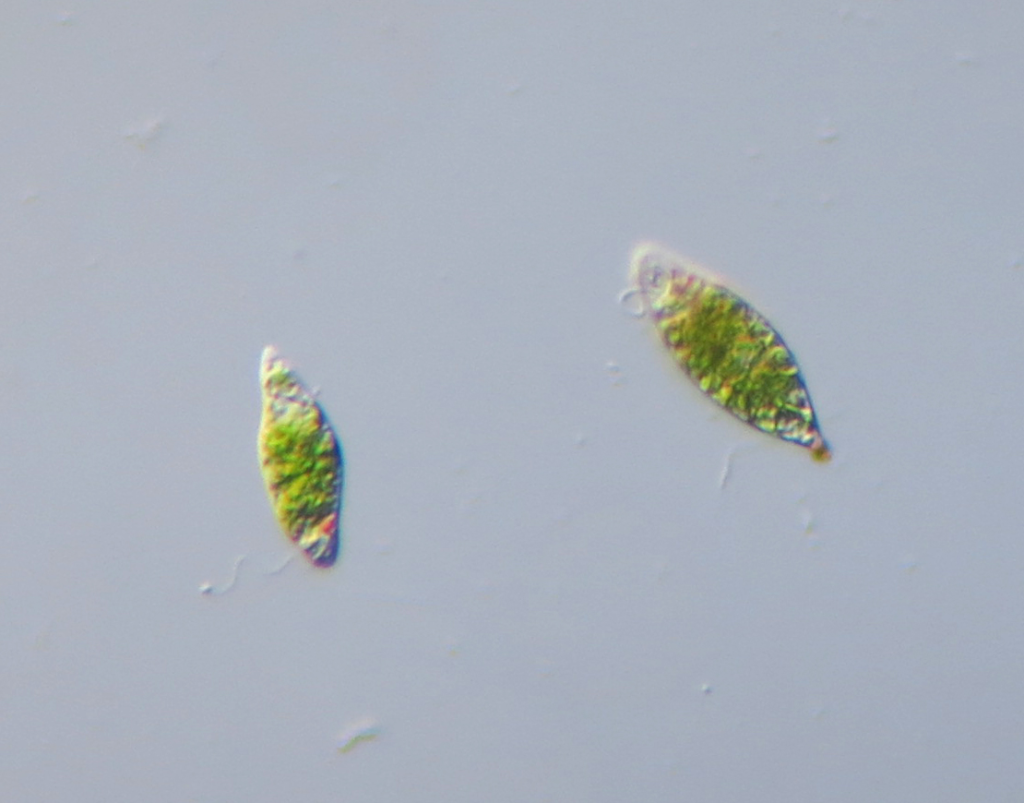
https://commons.wikimedia.org/w/index.php?curid=39165000
やはり「地球じゅうを行ったり来たり」という表現からも、帝国主義的背景が見えると思う。ここでの「人間」は人類一般というよりは「イギリス国民」と見てあげるとより分かりやすいかな。
後半部
後半部 問題編
No one gave a thought to* the older worlds of space as sources of human danger, or thought of them only to* dismiss* the idea of life upon* them as impossible or improbable*. It is curious to recall* some of the mental habits of those departed* days. At most terrestrial* men fancied there might be other men upon Mars, perhaps inferior to themselves and ready to welcome a missionary enterprise*. Yet across* the gulf* of space, minds* that are to our minds as ours are to those of the beasts* that perish*, intellects* vast and cool and unsympathetic*, regarded* this earth with envious* eyes, and slowly and surely* drew their plans against us. And early* in the twentieth century came the great disillusionment*.
give a thought to≒think(ここでは後ろのasと呼応して「みなす」) only to V結局~するだけだ dismiss~as… …だとして~を捨て去る upon=on improbableありえない recall思い返す departed過去の(cf. depart出発する) terrestrial地球上の missionary enterprise(宗教などの)伝道事業 across向こうで gulf深淵 mind(知性を持つ)人 beast獣 perish滅びる intellect知性 unsympathetic同情的でない regard見る envious羨ましい surely確実に early in [時代]~初期 disillusionment幻滅
7. 紫色の「or」が繋いでいる部分は?
8. 灰色の「them」が指しているものは?
9. 赤色の「it」が指しているものは?
10. ピンク色の「themselves」が指しているものは?
11. 赤色アンダーラインが引かれた部分の主語と動詞は?
12. 緑色の「as」の品詞は?
13. 青色の「those」が指しているものは?
14. 青色アンダーラインが引かれた部分の主語と動詞は?
後半部 解答編
<英文解釈記号ルール>
〔〕→関係詞句・節
【】→接続詞句・節
《》→挿入句・節
[ ] →名詞句・節
()→副詞句・節
〈〉→形容詞句・節
No one gave a thought to* the older worlds of space as sources of human danger, or thought of them (only to* dismiss* the idea of life upon* them as impossible or improbable*). It is curious [to recall* some of the mental habits of those departed* days]. (At most) terrestrial* men fancied [there might be other men upon Mars, (perhaps inferior to themselves and ready to welcome a missionary enterprise*). Yet (across* the gulf* of space), minds* 〔that are (to our minds) 〔as ours are (to those of the beasts*) 〔that perish*〕〕〕, 《intellects* 〈vast and cool and unsympathetic*〉》, regarded* this earth with envious* eyes, and slowly and surely* drew their plans against us. And (early* in the twentieth century) came the great disillusionment*.
7. 紫色の「or」が繋いでいるのは、文法上はgaveとthought。ただ、orのあとは「or even if they thought of them, they dismissed…」という風に解釈してあげると良いと思います。
8. 灰色の「them」が指しているのは、the older worlds。
9. 赤色の「it」が指しているものは、to以下。形式主語。
10. ピンクの「themselves」が指しているものは、terrestrial men(地球人)。再帰代名詞は文章の主語を指すことが多いから、まずはそこをチェックしましょ。
11. 赤色アンダーラインが引かれた部分の主語と動詞:mindsが主語、regardedが動詞。
12. 緑の「as」は関係詞。「Words are to the translators what facts are to the journalist.」(翻訳者にとっての言葉はジャーナリストにとっての事実と同じだ)のような構文を高校で習ったかもしれません。
その「A is to B what C is to D」(AのBに対する関係はCのDに対する関係に相当する)のwhatはasに置き換わることがあります。ここでは「(Martian) minds are to our minds as[what] ours(=our minds) are to the minds of the beasts」ですね。最初のmindsをthat節で説明する形になってます。mindsの意味はここでは幅広く「知性(をもったもの)」としてとらえていいかもしれません。
また「intellects* 〈vast and cool and unsympathetic*〉」は挿入部分。mindsと同格。ここが第二のポイントですね。
13. 青色の「those」が指しているものは、the minds。the+複数形=those
14. 青色マーカーが引かれた部分で、主語はthe great disillusionment, 動詞はcame。第一文型倒置のMVS。
後半部 全訳
太古の宇宙世界が人間に危険をもたらす原因となると思っている人は誰もいなかった。宇宙の世界を考えたとしても、宇宙に生命がいるなんて絶対ありえない、もしくはほとんどありえないだろうと思って、宇宙生命体の存在は否定していた。こんな過去の日々の思考習慣を思い出すのは興味深いことだ。地球人はせいぜい「火星には他の人型生命がいるかもしれないが、きっと自分たちより劣っていて、植民地化をいつでも歓迎してくれるんだろう」って妄想してたくらいが関の山だろう。だが宇宙の深淵の向こう側にいた生命とわたしたちの力の差というのは、わたしたちと滅びゆく動物の力の差ほどもあったのだ。彼らは強大で冷酷にして情け容赦ない知的生命体だった。この地球をねたましげに見つめて、ゆっくりと確実に人類に対する計画を練っていたのだ。そして20世紀の初め、わたしたちの幻想は大きく崩れることになった。
「older worlds」(太古の世界)って何だろうと少し気になるかもだが、「星雲説」という考えがもとになっている。次段落で説明しているぞ。
そして文中に出てくる「minds that are to our minds as ours are to those of the beasts」はこのページの最初で言った通り、「火星人ーイギリス」の関係が「イギリスー植民地・動物」の関係と一致している、ということを表している。ここをポイントに訳していこう。
①impossibleは「絶対ない(0%)」で、improbableは「ありそうにない(数%)」って感じだな。
②missionary enterpriseは直訳すると「宗教の伝道事業」だが、過去の歴史とかも踏まえると、要するに「植民地化」ってことだ。
あと、「regarded this earth with envious eyes」とある。直訳すれば「地球をねたんだ目で見つめて」だが、心情を表すはずの形容詞が別のものを修飾して、間接的に心情を表すことがある(転移形容詞という)。英語ではたまに見かける表現だ。
ともあれ、ここでは「regarded this earth enviously」と考えて、「妬ましげに地球を見つめていた」とすると日本語としてすっきりするだろう。
ちなみに、最終文「early in the twentieth century」とあるから、この物語の舞台は1901~1910年あたりだということが推測できるな。
第1章 第2段落
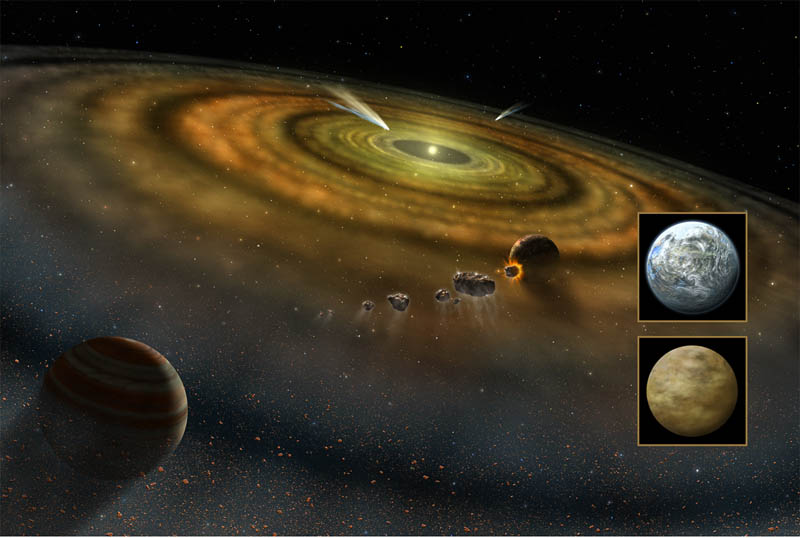
「nebular hypothesis」(星雲説)という概念が出てくる。太陽系がどうやってできたのかということに関する説で、『純粋理性批判』など哲学でもおなじみのカントが1755年に提唱したんだ。
物凄く簡単に言えば、ガスや塵が太陽の周りをまわっているうちに、固まって惑星ができたという説だ。以下のNHKのビデオを見てみるとわかりやすいと思う。
https://www2.nhk.or.jp/school/watch/clip/?das_id=D0005401862_00000
ともあれ、21世紀では一般に受け入れられている星雲説だが、1900年ごろはまだ確証のない説で、星雲説の中にも様々な考えがあった。
この小説の星雲説では、「回転速度が遅い(※角運動量保存 (mvsinθ)/2)外側の惑星から冷えて固まっていく」という理論が含まれている。「火星は地球より外側なので、火星は地球より早くに冷えた(=早くから生命が存在できた)のだ」と言っているわけだ。
とりあえずこの小説を読むときには、この前提で見ていくことにしよう。
問題編
The planet Mars*, I scarcely need remind the reader*, revolves about the sun at a mean distance of 140,000,000 miles, and the light and heat it receives from the sun is barely* half of that received by this world. It must be, if the nebular hypothesis* has any truth, older than our world; and long before this earth ceased* to be molten*, life upon its surface must have begun its course*. The fact that it is scarcely one seventh of the volume of the earth must have accelerated* its cooling to the temperature at which life could begin. It has air and water and all that is necessary for the support of animated* existence*.
Mars火星 reader読者 barelyかろうじて nebular hypothesis星雲説 cease to V~しなくなる molten(<melt)溶ける course(生物進化)過程 accelerate加速させる animated生き生きした existence(<exist)存在・生活
1. オレンジの「need」の品詞は?
2. 紫の「mean」の意味は?
3. ピンクの「it」が指すものは?
4. 赤色の「that」を4語で言い換えると?
5. 青色マーカーの主語と動詞は?
6. 茶色の「one seventh」の意味は?
解答編
挿入は基本的に、いったん無視して文構造を把握する。
あと「must have 過去分詞」(~したに違いない)、「cannot[couldn’t] have 過去分詞」(~したはずがない)、「may have 過去分詞」(~したかもしれない)は大丈夫だよな。
<英文解釈記号ルール>
〔〕→関係詞句・節
【】→接続詞句・節
《》→挿入句・節
[ ] →名詞句・節
()→副詞句・節
〈〉→形容詞句・節
The planet Mars*, 《I scarcely need remind the reader*》, revolves about the sun (at a mean distance of 140,000,000 miles), and the light and heat 〔it receives from the sun〕 is barely* half of that 〈received by this world〉. It must be, 《if the nebular hypothesis* has any truth》, older than our world; and 【long before this earth ceased* to be molten*】, life 〈upon its surface〉 must have begun its course*. The fact [that it is scarcely one seventh of the volume of the earth] must have accelerated* its cooling to the temperature 〔at which life could begin〕. It has air and water and all 〔that is necessary for the support of animated* existence*〕.
1. オレンジの「need」の品詞は助動詞。scarcelyが準否定語だから、notがないのに助動詞needが使えるわけです。
2. 紫の「mean」の意味は「平均」。meanは動詞なら「意味する」「本気だ」「つもりだ」「(mean wellで)良かれと思って言っている」、形容詞なら「意地悪な」、名詞なら「平均」。セットで覚えるやつです。
3. ピンクの「it」が指すものは、the planet Mars
4. 赤色の「that」を4語で言い換えると、the light and heat。that(+後置修飾)=the+単数
5. 青色マーカーの主語はthe fact、動詞はhave accelerated。the factのあとのthatが同格です。
6. 茶色の「one seventh」の意味は「1/7」。two sevenths のように、分子が2以上ならsがつくことも忘れずに。
全訳
読者の諸君に思い出させる必要はほぼないと思うが、火星という惑星は太陽のまわりを平均距離1億4000万マイル(≒2億2500万㎞)で回っていて、火星が太陽から受け取る光と熱の量は地球のかろうじて半分といったところだ。もし星雲説に何らかの真実が含まれているとしたら、火星は地球世界より古いに違いないし、この地球が冷え固まるずっと前に火星上で生命は進化を始めていたに違いない。火星の体積が地球の体積のわずか7分の1だったためいっそう火星の冷却が進み、地球よりずっと早く生命が誕生できる温度まで達したのだろう。そして火星には、大気や水など活発な生命を支えるのに必要なすべてのものがあったのだ。
第1章 第3段落
問題編
Yet so vain* is man*, and so blinded* by his vanity*, that no writer, up to the very end of the nineteenth century, expressed any idea that intelligent life might have developed there far, or indeed at all, beyond its earthly* level. Nor was it generally understood that since Mars is older than our earth, with scarcely* a quarter of the superficial* area and remoter* from the sun, it necessarily follows* that it is not only more distant* from time’s beginning but nearer its end.
vainうぬぼれた man人類一般 blinded目がくらむ vanity(<vain)虚栄心 earthly(<earth)地球の scarcelyかろうじて superficial(<super+face)表面の remote遠い it (necessarily) follows that当然~になる distant遠い
1. 第1文(赤アンダーライン)の主語と動詞は?
2. オレンジ色の「very」の意味は?
3. 青色の「or」が繋いでいるものは?
4. 赤色の「at all」の意味は?
5. 第2文(青アンダーライン)の主語と動詞は?
6. 緑の「it」が指しているものは?
7. 茶色の「and」が繋いでいるものは?
解答編
カンマが多いところはカッコにくくって主語と動詞を把握しよう。
倒置文は、so…thatだったりnorだったり、「倒置の原因」のパーツを見つける。
接続詞が繋いでいるものが何かは、「同じ品詞を探す」が原則だ。
<英文解釈記号ルール>
〔〕→関係詞句・節
【】→接続詞句・節
《》→挿入句・節
[ ] →名詞句・節
()→副詞句・節
〈〉→形容詞句・節
(Yet) so vain* is man, and so blinded* (by his vanity*), that no writer, 《up to the very end of the nineteenth century》, expressed any idea [that intelligent life might have developed there (far, or indeed at all, beyond its earthly* level)]. Nor was it (generally) understood [that 【since Mars is older than our earth, (with scarcely* a quarter of the superficial* area) and remoter from the sun】, it necessarily follows* [that it is not only more distant from time’s beginning but nearer its end].
1. 第1文の主語はman、動詞はis。元に戻すとman is so vain and so blinded that no writerと続く、so…that構文です。特にso…that構文では、so+形容詞の部分が文頭に出て、倒置となることがよくあります。このときは主語が代名詞でも「CSV」の形ではなく、原則として「CVS」です。
なお、that節内で見ると主語はno writer、動詞はexpressedです。
2. オレンジ色のveryは形容詞で、「最も」。very endで「最後」かな。ほかにも、veryが形容詞のときは「まさにその」「ただ~だけで」という意味もあることを押さえておきましょう。
3. 青色の「or」が繋いでいるものは、farと(indeed) at allです。というかここのorは言いなおしのorですかね。beyond its earthly levelを修飾する単語として、「far」(かなり)と言った後、「いや、indeed at all(決してかなわないくらい)」と言い直してるわけです。
4. 赤色の「at all」の意味は、「絶対に」くらいが当てはまるでしょう。farよりすごい程度「beyond」だってことを言いたいわけですから。「まったく」は否定文です。
5. 第2文(Nor was…)の主語はit、動詞はwas understood。Nor V S(~もまたVでない)という倒置です。So V S (~もまたVだ)とセットで覚えましょう。何と何を比べて「どちらも~でない」と言っているかというと、writerとgenerallyですね。SF作家も、一般人も、どちらもそういうことに気づいてなかったってことです。
6. 緑の「it」が指しているものは、後ろのthat以下ですね。itーthatの形式主語です。
7. 茶色の「and」が繋いでいるものは、olderとremoterです。後ろにremoterという比較級があるので、前にも比較級がないかなって探してみると見つかると思います。
全訳
だが人間はとてもうぬぼれ深く、虚栄心に目がくらんでしまうため、「地球のレベルをかなり、いや絶対的に超えるほどの知的生命体が火星で進化したかもしれない」という考えを書き表した文筆家は19世紀の最後まで現れなかった。また「火星は地球より古くて太陽から遠く、表面積がかろうじて地球の1/4あるくらいなのだから、当然、開闢の刻が早いだけでなく終焉の刻も地球より早いのだ」と理解している人は一般的にはほとんどいなかった。
beginningとendを「開闢(かいびゃく)」「終焉」と訳してあげると日本語としてかっこよくなる気がする。
第1章 第4段落
問題編 前半
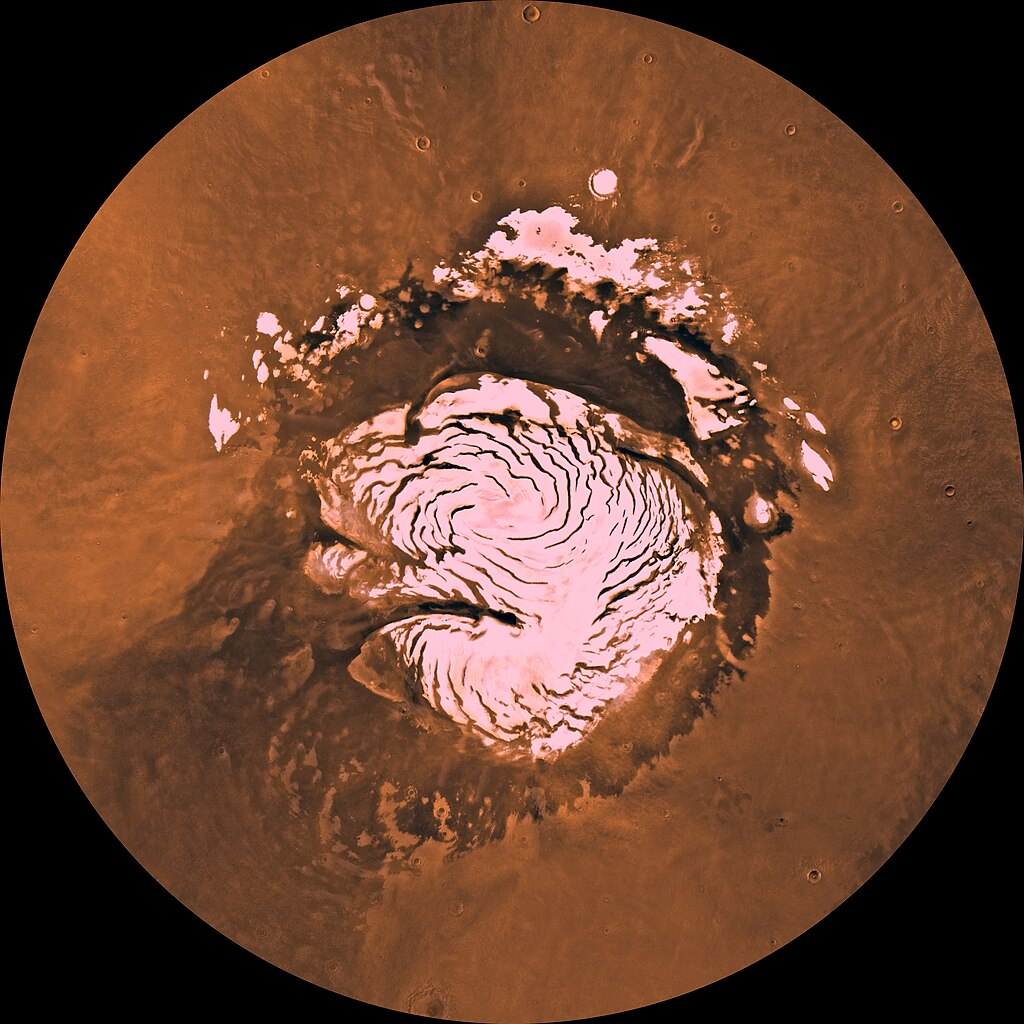
The secular* cooling* that must someday overtake* our planet has already gone far indeed with our neighbour. Its physical* condition is still largely a mystery, but we know now that even in its equatorial* region the midday* temperature barely approaches that of our coldest winter. Its air is much more attenuated* than ours, its oceans have shrunk* until they cover but a third of its surface, and as its slow seasons change huge snowcaps* gather and melt about* either pole* and periodically* inundate* its temperate* zones. That last stage of exhaustion*, which to us is still incredibly remote, has become a present-day problem for the inhabitants* of Mars.
secular長期間の・ずっと続く cooling寒冷化 overtake襲う physical自然の equatorial(<equator)赤道付近の midday(cf.midnight)真昼の・昼間の attenuated希薄な shrunk(<shrink)縮小する snowcap氷冠 about近くで pole極 periodically定期的に inundate水浸しにする exhaustion枯渇 inhabitant住人
1. 赤アンダーライン(第1文)の文型表示してね!
2. オレンジの「but」の意味は?
3. 緑の「and」が繋いでいるものは?
4. 赤の「as」の意味は?
5. ピンクの「either」の意味は?
解答編 前半
<英文解釈記号ルール>
〔〕→関係詞句・節
【】→接続詞句・節
《》→挿入句・節
[ ] →名詞句・節
()→副詞句・節
〈〉→形容詞句・節
The secular* cooling* 〔that must someday overtake* our planet〕 has already gone far indeed with our neighbour. Its physical* condition is still largely a mystery, but we know now [that (even in its equatorial* region) the midday* temperature barely approaches that of our coldest winter]. Its air is much more attenuated* than ours, its oceans have shrunk* 【until they cover but a third of its surface】, and 【as its slow seasons change】 huge snowcaps* gather and melt about* either pole* and periodically* inundate* its temperate* zones. That last stage of exhaustion*, 《which to us is still incredibly remote》, has become a present-day problem for the inhabitants* of Mars.
1. 第1文の文型表示は上の通り。coolingがS、has goneがV、farがCかな。goは第2文型を取ることがあって、そのときの補語はマイナスイメージですね!
2. オレンジの「but」の意味は「ほんの~だけ」。onlyと一緒。ほかにも「を除いて」(=except)という意味もあります。ここは「海が1/3だけ」なのか「1/3以外は海(海は2/3)」なのか、常識と照らし合わせて訳しましょう。もともとは地球と同じく7割が海のはずですから、ここでは「たった1/3が海」という意味にすべきです。
※そのあとのa third=one third
3. 緑の「and」が繋いでいるものは、3つの文章。…than ours, its oceans…のところがカンマになってるけど、andの代用ですね。
4. 赤の「as」の意味は「~のとき」「~の際に」。「~につれて」だとちょっと変なのかな。
5. ピンクの「either」の意味は、「両方」。either sideとか、「対」を表す言葉を修飾するときにはその意味になることが多いですね。
全訳 前半
わたしたちの惑星にもいつか起こることには違いないけれども、長期の寒冷化はかの隣人たちにとって既にとても深刻になっていた。火星の自然状態は大部分がまだ謎ではあるが、赤道付近であっても日中気温は地球の最寒季の日中気温に辛うじて届くくらいであるということがいまのところわかっている。火星の大気は地球の大気よりはるかに希薄である。海は縮小して表面のたった3分の1しかない。ゆっくりと季節が移るときに、巨大な冠雪が両極に集まったり融けたりして定期的に温暖な地域を水浸しにする。我々にとってはまだ信じられないほど遠い未来の話だが、枯渇の最終段階は火星の住人にとって喫緊の問題となっていた。
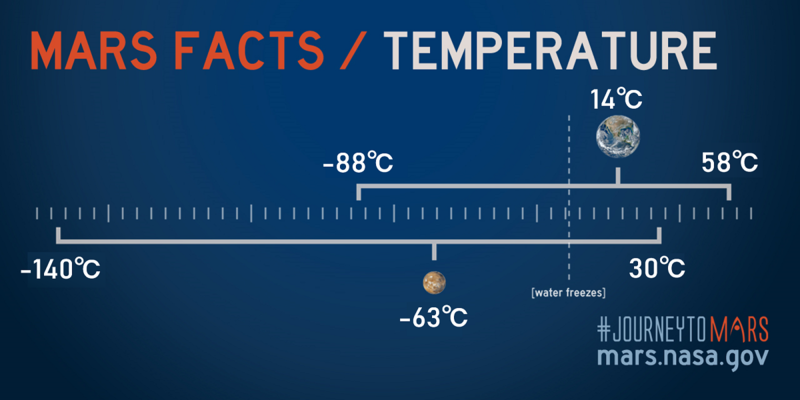
この段落では火星の自然環境が述べられているが、以下の日本科学未来館のサイトが参考になると思う。
https://blog.miraikan.jst.go.jp/articles/20210528post-419.html
①「日中気温は地球の最寒季の日中気温に辛うじて届く」:火星の平均気温はー63℃。たしかに寒い。日中になって気温が上がっても、−10℃とか−20℃とかなのだろう。
②「大気ははるかに希薄」:火星の大気は地球の1/160だ。
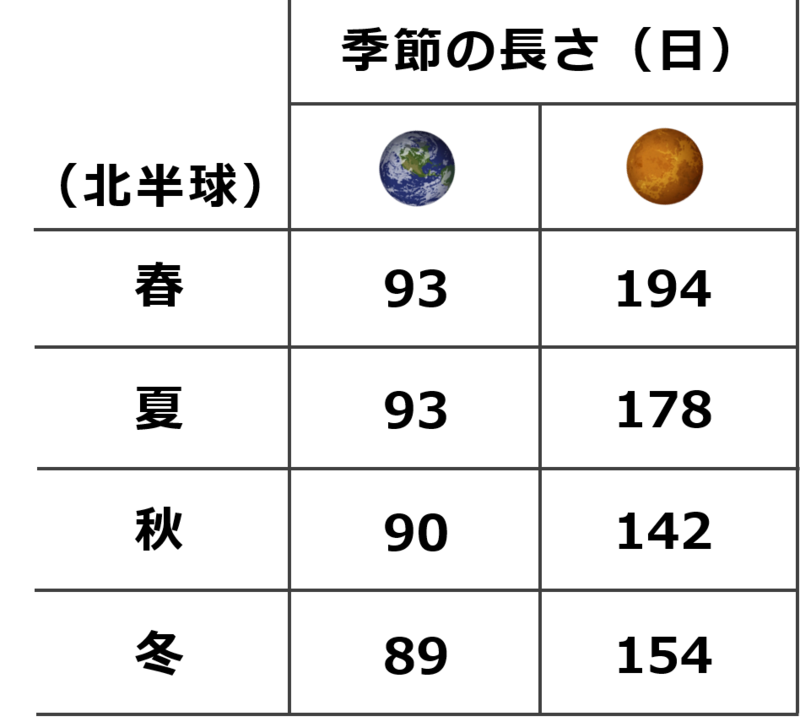
③「ゆっくりと季節が移る」:火星の1年は地球の2倍もある。
火星に海があることは、21世紀では否定されている。ただ、1900年ごろは極冠や四季の存在は確認されていたから、「海もあるんじゃないか」という説があった(ただ20世紀初頭に否定される)。
ということで、1900年においてこの段落の記述は「科学的にありうる」ものだった。わたしたちは「すべて科学的に正しい」として読み進めていこう。
今回も長いので前後半に分けている。
問題編 後半
The immediate pressure of necessity* has brightened* their intellects, enlarged* their powers, and hardened* their hearts. And looking across space with instruments, and intelligences such as we have scarcely dreamed of, they see, at its nearest distance only 35,000,000 of miles sunward* of them, a morning star of hope, our own warmer planet, green with vegetation* and grey with water, with a cloudy atmosphere eloquent* of fertility*, with glimpses* through its drifting* cloud wisps* of broad stretches* of populous* country and narrow, navy-crowded seas.
necessity(<necessary)必要性 brighten(<bright+en)有望にする enlarge(<en+large)増やす harden(<hard+en)非情にする sunward(<sun+ward) 太陽の方に vegetation草木 eloquent雄弁に物語る fertility(<fertile) 肥沃さ glimpse一見 drift漂う wispはしきれ stretch広がり populous(<polulation)人口の多い
6. 茶色の「and」が繋いでいるものは?
7. 紫の「as」の品詞は?
8. 最終文(青色アンダーライン)の文型表示は?
9. 灰色の「of」が修飾してるのは何?
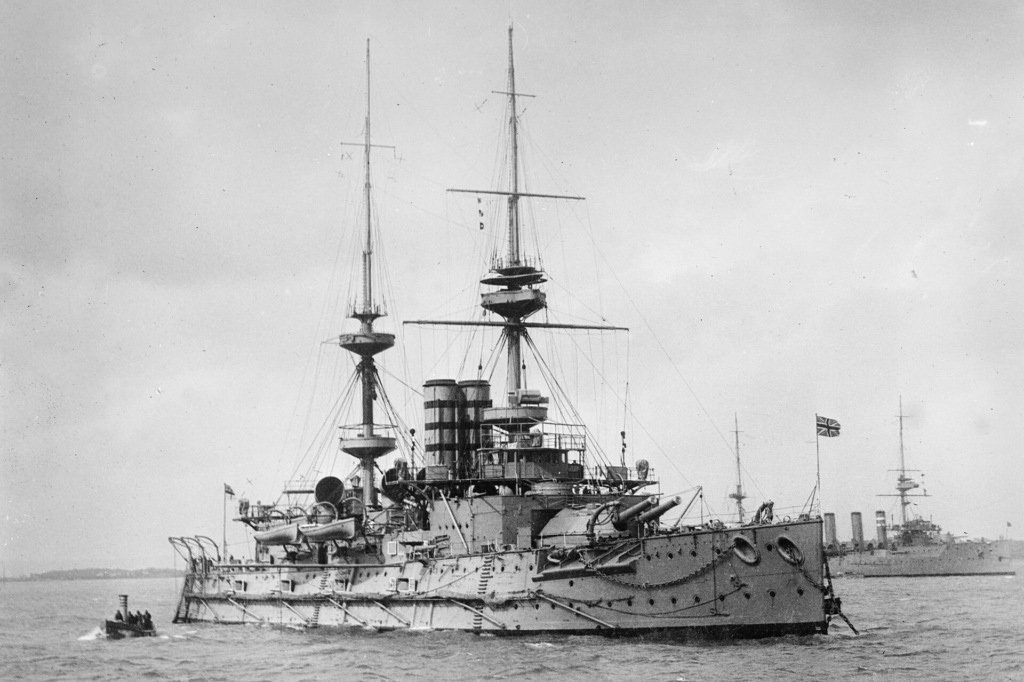
「navy-crowded」という記述から、世界最強の海軍を持っていたイギリス帝国を表していることがわかるぞ。
ただ19世紀後半のイギリスは、対植民地戦争こそあったものの列強とは戦争せず、おおむね平和な時代だった。「戦艦」や「シーパワー」という概念が徐々に出てきたが、まだ近代海軍は発展途上といったところだな。我々がイメージする海軍艦艇が出てくるのは、初めての本格的海戦の日清・日露戦争を経て、ドレッドノート(「ド級戦艦」の語源となったイギリス戦艦)が1905年に建造されてからだろう。
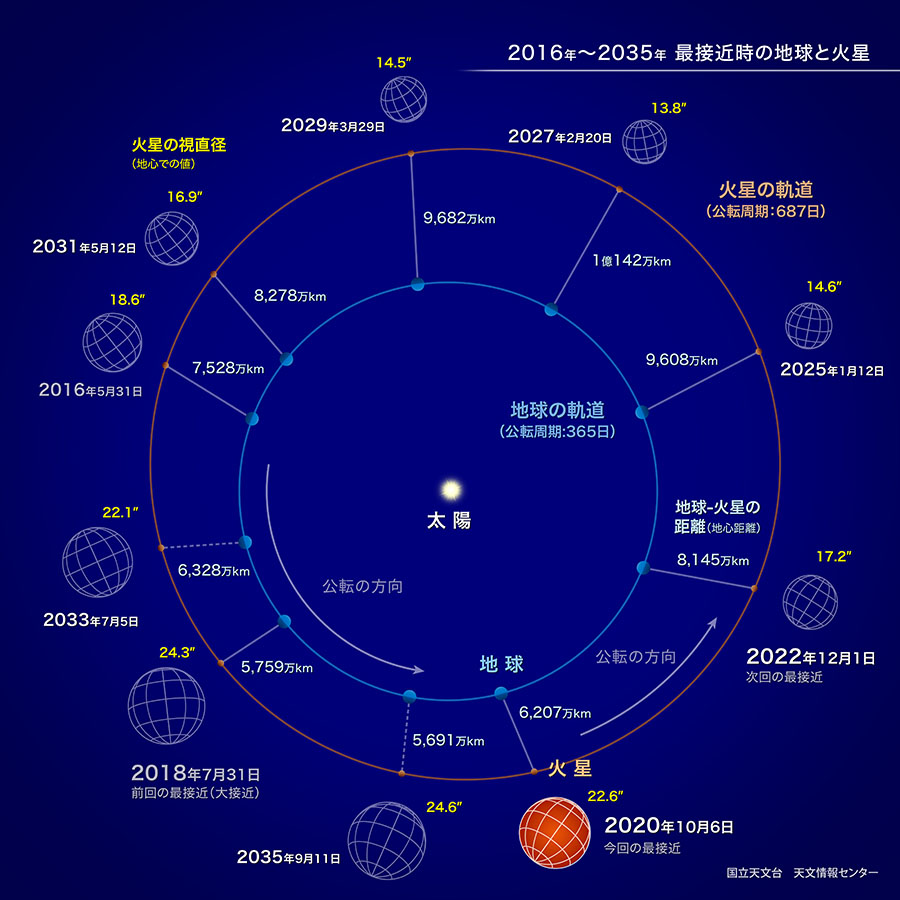
あと、地球ー火星が最接近するときの距離は6000万km~1億kmくらいが平均のようだ。
だからここで「only 35,000,000 of miles」(たった5600万km)となっているのだろう。
最接近の時でも5600万kmというのはとても近いのだぞっ。
(↓国立天文台のサイトより:https://www.nao.ac.jp/astro/basic/mars-approach.html)
解答編 後半
<英文解釈記号ルール>
〔〕→関係詞句・節
【】→接続詞句・節
《》→挿入句・節
[ ] →名詞句・節
()→副詞句・節
〈〉→形容詞句・節
The immediate pressure of necessity* has brightened* their intellects, enlarged* their powers, and hardened* their hearts. And (looking across space (with instruments, and intelligences 〔such as we have scarcely dreamed of〕)), they see, 《at its nearest distance only 35,000,000 of miles sunward* of them》, a morning star of hope, our own warmer planet, 〈green with vegetation*〉 and 〈grey with water〉, (with a cloudy atmosphere eloquent* of fertility*), (with glimpses* (through its drifting* cloud wisps*) of broad stretches* of populous* country and narrow, navy-crowded seas).
6. 茶色の「and」が繋いでいるものはinstrumentsとintelligences。andの前にカンマがついてるから、ちょっとイレギュラーかもですね。
7. 紫の「as」の品詞は関係詞。こういうタイプはよく「such A as S V」で使われますけど、「A such as S V」という形で使われている例ですね。たぶん、instrumentsとintelligencesが長かったから後ろに持ってきたんだと思います。
8. 最終文(青色アンダーライン)の文型表示は上の通り。骨格部分は「they see a morning star」。our own warmer planet以下しばらくは、a morning star of hopeを説明している言葉になります。with a cloudy atmosphere eloquent of fertilityは付帯状況「with O C」ととらえてもOK。with glimpses以下は、強いて言うならseeに係る副詞句でしょうか。
9. 灰色の「of」が修飾してるのは、glimpsesですね。with glimpses以下は名詞構文で訳すのが良いと思います。 glimpse≒seeです。「drifting cloud wisps」の間から、「populous country and narrow, navy-crowded seas」が「broad stretch」しているのを「glimpse」した、という訳がひとつあると思います。
全訳 後半
大至急問題を解決しなければならないという切迫感のために、火星人の知能は増し、軍事力は強大になり、その心は非情になった。わたしたちがほとんど夢にも見ないような機器と科学力で火星人が宇宙を見渡すと、太陽方向に最短距離がたった3500万マイル(≒5600万km)のところにある希望の明星を見つけたのだ。それはわたしたちの地球だった。地球は火星より暖かく、草木は青くて海は灰色だ。曇った空は肥沃さをよく表している。火星人はその漂う雲の切れ目から、人口の多い国土と海軍艦艇の密集する狭い海洋が広がっているのを見たのだろう。
第1章 第5段落
問題編
And we men, the creatures who inhabit* this earth, must be to them at least as alien* and lowly* as are the monkeys and lemurs* to us. The intellectual* side of man already admits that life is an incessant* struggle* for existence, and it would seem that this too is the belief of the minds upon Mars. Their world is far gone in its cooling and this world is still crowded with life, but crowded only with what they regard as inferior animals. To carry warfare* sunward is, indeed, their only escape from the destruction that, generation after generation, creeps* upon them.
inhabit住む(inhibit妨げる と間違えないようにしましょう) alien異質な lowly卑しい lemurキツネザル intellectual理知的な incessant(<in(=not)+cess(<cease))絶え間ない struggle闘争 warfare戦争(行為) creep忍び寄る
1. 青アンダーライン(第1文)の文型表示と訳は?
2. 赤アンダーライン部分の文型表示は?
3. regard A as Bの同義語は?
やはり、火星人とイギリスの関係が、イギリスと動物・植民地の関係と一致しているということが述べられているな。
解答編
<英文解釈記号ルール>
〔〕→関係詞句・節
【】→接続詞句・節
《》→挿入句・節
[ ] →名詞句・節
()→副詞句・節
〈〉→形容詞句・節
And we men, 《the creatures who inhabit* this earth》, must be (to them) (at least) as alien* and lowly* as are the monkeys and lemurs* (to us). The intellectual* side of man already admits [that life is an incessant* struggle* for existence], and it would seem [that this (too) is the belief of the minds upon Mars]. Their world is far gone in its cooling and this world is still crowded with life, but crowded only with [what they regard as inferior animals]. To carry warfare* sunward is, indeed, their only escape from the destruction 〔that, 《generation after generation》, creeps* upon them〕.
1. 青アンダーラインの部分について、余計なパーツを全部とると、We must be as alien and lowly as are the monkeys and lemurs.となります。as~as…の比較の形です。比較級のasやthanの後ろで倒置が起こることもたまにあります。多くの場合は、その主語が長いから。
2. 赤アンダーライン部分は第2文型。goneはbe goneという受動態(完了)でとってもいいですが、interestedと一緒で、ふつうに形容詞とみてもいいとおもいます。いずれにせよ、過去分詞なので「~てしまった」という完了の意味が入ってます。
3. regard as ≒ view as ≒ see as ≒ look on as ≒ think of as ≒ consider to be [as]
くらい覚えておけばいいのかな。deemとかesteemみたいな物騒なものまで持ち出さなくても…。
全訳
そして、地球に住む生物であるわたしたち人間は、火星人たちにとって、少なくとも異質で卑しい存在に違いない。わたしたちにとってのサルやキツネザルのようなものだ。
地球の思慮分別のある人たちは、生きるということが生死をめぐる絶え間ない闘争なのだということを以前から理解していたし、火星人らもそういう信念を持っていたのだろう。
火星世界は寒冷化がかなり進んでいた一方、地球世界は依然として生命であふれていた。ただ、この世界にいたのは火星人から見れば劣っている動物だけだった。太陽の方向にある地球に戦争を仕掛けなければ、世代を超えて忍び寄る破滅を回避することはできなかったのだ。
To carry warfare* sunward is, indeed, their only escape from the destruction. だが、直訳すると「戦争することが唯一の破滅からの脱出」となる。これでもいいとおもうけれど、「戦争しないと破滅は回避できなかった」くらいがすっきりしないか?
第1章 第6段落
問題編
And before we judge of them too harshly* we must remember what ruthless* and utter* destruction our own species has wrought*, not only upon animals, such as the vanished* bison and the dodo, but upon its inferior races. The Tasmanians*, in spite of their human likeness, were entirely swept out* of existence in a war of extermination* waged* by European immigrants*, in the space* of fifty years. Are we ( ) apostles* of mercy as to complain if the Martians warred* in the same spirit?
harshly厳しく ruthless無慈悲な utter徹底的な wrought(<workの古い過去分詞)もたらす vanished絶滅した Tasmanianタスマニア人(オーストラリア先住民のひとつ) extermination絶滅 wage戦争する immigrant移民 space間 apostle主唱者 war戦争する
1. オレンジのbutが繋いでるものは?
2. ピンク色のかっこの中に入ると考えられる1語は?

この段落にある通り、イギリス人が「先住民狩り」によってタスマニア人(オーストラリアの先住民のひとつ)を絶滅に追い込んだ「ブラック・ウォー」が19世紀の前半に起きていたわ。植民地主義の負の歴史ね。
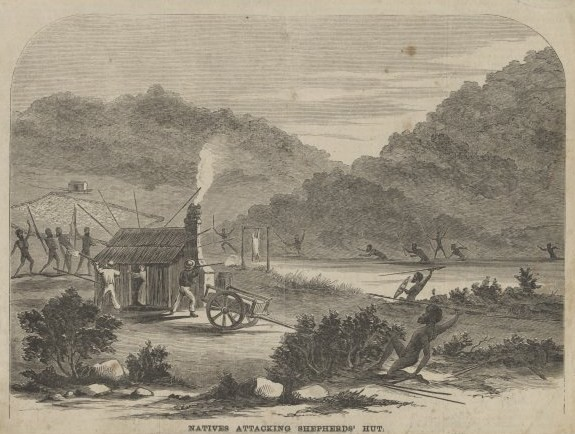
…出番が早すぎるぞ。
イギリスのことわざにこんなのがあるわよ。
The early bird catches the worm. ってね。
ということではじめまして。GuPダージリンね。
わたしが役を務める登場人物の小説中での登場はあと数段落先かな。ともあれよろしくお願いするわ。
解答編
<英文解釈記号ルール>
〔〕→関係詞句・節
【】→接続詞句・節
《》→挿入句・節
[ ] →名詞句・節
()→副詞句・節
〈〉→形容詞句・節
And 【before we judge of them too harshly*】 we must remember [what ruthless* and utter* destruction our own species has wrought*, not only (upon animals, 《such as the vanished* bison and the dodo》), but (upon its inferior races). The Tasmanians*, 《in spite of their human likeness》, were entirely swept out* of existence in a war of extermination* waged* by European immigrants*, in the space* of fifty years. Are we such apostles* of mercy as to complain if the Martians warred* in the same spirit?
1. butは「not only」との呼応に注目したり、「upon」の一致に注目したりすれば、2つのupon句を繋いでるなってわかると思います。
2. かっこの中には「such」が当てはまります(もしかしたら別解があるかもだけど)。
such 名詞 as to Vで「~するほどの…」(≒such 名詞 that S V)。
so 形容詞/副詞 as to Vとセットで覚えるやつ。※suchとsoの後に来る品詞が違います。
ただ火星人をきびしく断罪する前に、自分たち白人が無慈悲で徹底的な殺戮をしていたことを思い出さなければならない。バイソンやドードーなどの動物を絶滅に追い込んだだけじゃなくて、劣っているとみなした人種も虐殺したんだ。タスマニア人はヒトとしては白人と似た姿だったのに、ヨーロッパからの移民がしかけた絶滅戦争で、50年間で完全に根絶やしにされてしまった。もし火星人が同じ精神で戦争をふっかけてきたとして、わたしたちイギリス人は不平を言えるほど慈悲の心があったかなぁ。
何度もくりかえしてるように、イギリス人が動物や先住民を絶滅させたやり方で、火星人がイギリスを侵攻してくるというのがこの物語の根本的な筋書きだ。
「イギリス人よ、相手の立場になってみないか?」っていう帝国主義へのアンチテーゼ。
それが如実に表れているのがこの段落だな。
第1章 第7段落
この段落のポイント:「ー」で囲まれた部分も挿入だ
問題編
The Martians seem to have calculated* their descent* with amazing subtlety*—their mathematical learning is evidently far in excess* of ours—and to have carried out their preparations with a well-nigh* perfect unanimity*. Had our instruments permitted it, we might have seen the gathering trouble far back in the nineteenth century. Men like Schiaparelli* watched the red planet—it is odd, by-the-bye*, that for countless centuries Mars has been the star of war—but failed to interpret the fluctuating* appearances* of the markings* they mapped* so well. All that time* the Martians must have been getting ready.
calculate計算する descent下る subtlety巧妙さ excess超過 nigh近い unanimity全会一致 Schiaparelliスキャパレリ(火星地図を作ったイタリアの学者) by the bye=by the way fluctuate変動する appearance外見 marking模様 map地図に表す・位置関係を表す all that timeその間ずっと
1. オレンジの「and」が繋いでいるものは?
2. 赤マーカーの部分を訳してね。
3. 青色の「it」が指しているものは?
4. 茶色の「but」が繋いでいるものは?
5. ピンクの「they」が指しているものは?
6. 緑色の「all that time」の意味は?
解答編
イタリア人のスキャパレリは火星の研究で有名よね。
彼が火星の表面に線上の模様(canali:自然水路)を発見したと発表したところ、英語に翻訳される際にcanal(運河)と訳されてしまって、火星に人工的なものがあるというデマが広がったエピソードはよく知られてるんじゃないかしら。
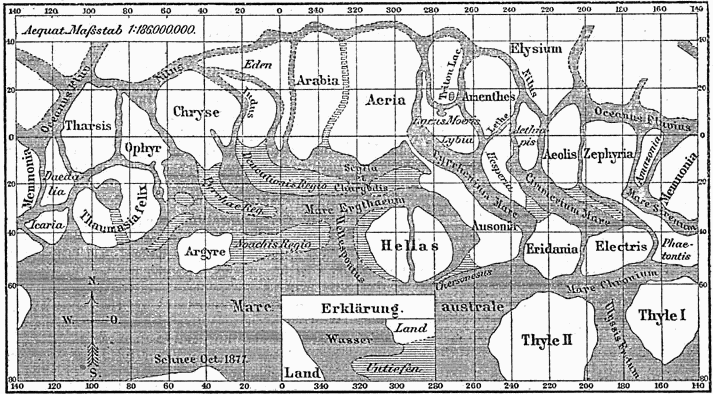
あと、「Mars has been the star of war」とあるが、火星はローマの軍神Mars(マルス)(=ギリシャ軍神アレス)から名付けられたのは有名な話だから知っているかもな。やはり血の色が戦争を連想させるんだろうか。
<英文解釈記号ルール>
〔〕→関係詞句・節
【】→接続詞句・節
《》→挿入句・節
[ ] →名詞句・節
()→副詞句・節
〈〉→形容詞句・節
The Martians seem to have calculated* their descent* with amazing subtlety*《—their mathematical learning is evidently far in excess* of ours—》and to have carried out their preparations with a well-nigh* perfect unanimity*. 【Had our instruments permitted it】, we might have seen the gathering trouble (far back in the nineteenth century). Men like Schiaparelli* watched the red planet《—it is odd, 《by-the-bye*》, [that (for countless centuries) Mars has been the star of war]》—but failed to interpret the fluctuating* appearances* of the markings* 〔they mapped* so well〕. All that time the Martians must have been getting ready.
1. オレンジの「and」が繋いでいるものは、to have calculatedとto have carried。ちょっと離れてるけど、to haveが一緒だから簡単ですね。
2. 全訳参照。If省略倒置の仮定法過去完了! あとIf内の部分、weather permitting(天気が許せば)っていう成語と似た雰囲気を感じます。far back in the 19Cは「19世紀の遥か昔に」とでもしておきましょうか。far backで結構前にさかのぼってることを表しています。
3. 青色の「it」が指しているものは、そのあとのthat以下。by the byeが挟まってるだけで、itーthatの形式主語。
4. 茶色の「but」が繋いでいるものは、watchedとfailed。挿入をかっこにくくれば楽。
5. ピンクの「they」が指しているものは、「Men like Schiaparelli」。
全訳
火星人は驚くほど巧妙に地球着陸の計算をしていたようだ。あちらの数学は明らかに地球の数学をはるかに超えていたのだ。そして、ほとんど全員で団結して準備を進めたみたいだ。わたしたちの天文機器の性能がよかったら、はるかに前の19世紀のうちに、火星で厄介なものができていくのが見られたかもしれないのに。スキャパレリなどがあの赤い星を観察したけど ―それにしても、何十世紀ものあいだ火星が「戦争の星」だったってのは奇妙な話だ―しっかり位置を記録したはずの模様の見た目が変わってくことを解釈できなかった。その間ずっと、火星人は準備していたに違いない。
第1章 第8段落
問題編
During the opposition* of 1894 a great light was seen on the illuminated part of the disk*, first at the Lick Observatory*, then by Perrotin of Nice*, and then by other observers. English readers heard of it first in the issue of Nature dated* August 2. I am inclined to* think that this blaze* may have been the casting* of the huge gun, in the vast pit* sunk into their planet, from which their shots were fired at us. Peculiar* markings, as yet* unexplained, were seen near the site of that outbreak* during the next two oppositions.
opposition惑星の衝 disk天体の表面(天体の丸い形のこと) Lick Observatoryリック観測所 Perrotin of Niceニース(地名)のペロタン(人名) dated~日に発行された be inclined to V~したい気になる≒feel like Ving blaze炎 casting鋳造 pit穴 peculiar妙な as yetまだ outbreak発生
1. オレンジの「issue」の意味は?
2. 赤色のhuge gun、どんなもの?
解答編
1900年ごろ、宇宙船を打ち出すときに「ロケット」という概念はないわ。巨大な大砲をつくり、弾のかわりに宇宙船を入れて打ち出すという考えが主流よ。
だな。だから「gun」という言葉は出てくるけど、「銃」じゃないぞ。
訳すとき難しいわよね。現代風に言えば「ロケット発射台」だけど…。
さてつづいて「opposition」(衝)について。ざっくり言えば、「太陽ー地球ー火星」が真っすぐに並ぶときの位置関係よね。だいたい、衝付近で最接近するわ。
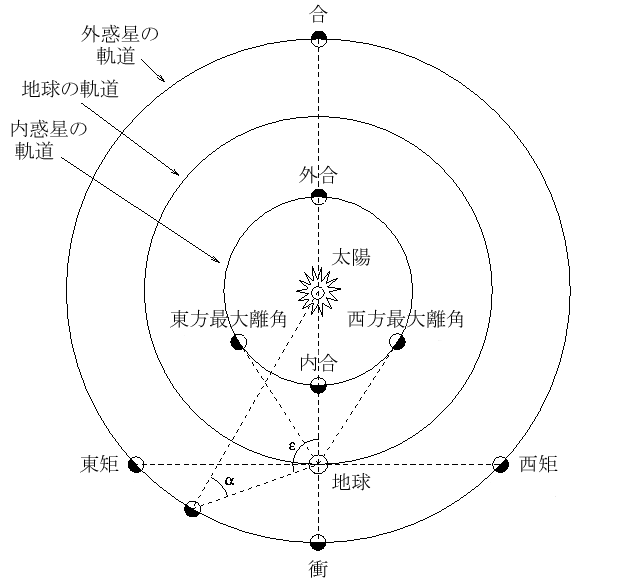
この段落では1894年およびその後の2回の衝について言及されているけど、位置関係はこんな感じ。以下のサイトを参照してくれ。
https://stjerneskinn.com/mars-at-opposition.htm
1894年の衝は10/20。Nature誌に載ったのが(翌年)8/2っていうのは、若干遅すぎる気もするが気にしないことにしよう。
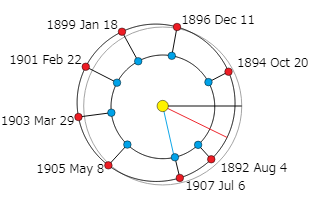
こうした衝付近では地球と火星の距離が最も近くなるから、観測に適しているのよね。
発射台の鋳造とか、普段見えないものも見えたってことだ。
さて地名について補足しておく。
①Lick Observatoryは左側の地図、カリフォルニアにある。つい10年くらい前(1888)に作られた施設だ。ちなみに現在のアメリカは西部開拓が終わりかけたころ。
②ニースはフランスとイタリアの間らへんの都市。リゾート地として有名だぞ。

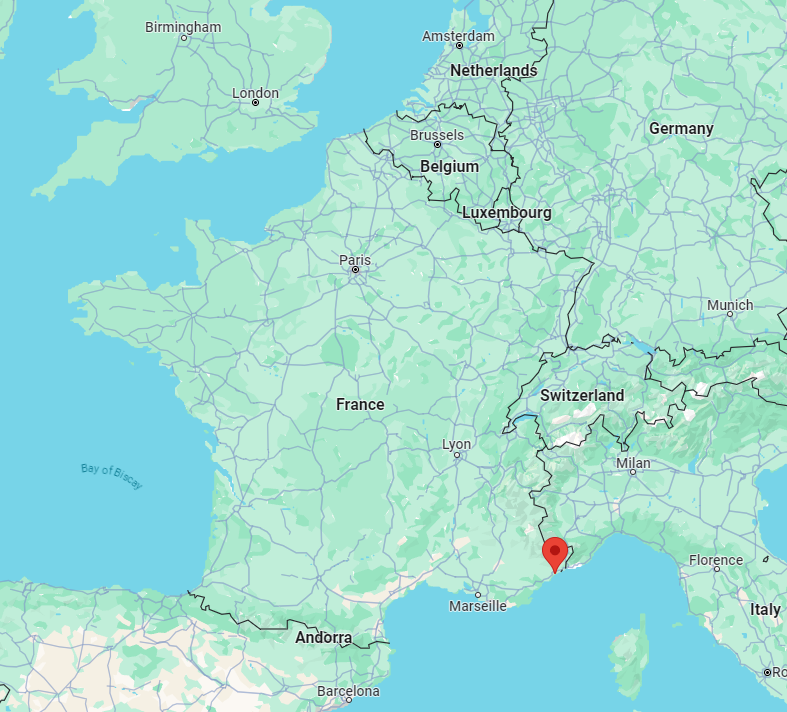
<英文解釈記号ルール>
〔〕→関係詞句・節
【】→接続詞句・節
《》→挿入句・節
[ ] →名詞句・節
()→副詞句・節
〈〉→形容詞句・節
(During the opposition* of 1894) a great light was seen on the illuminated part of the disk*, first (at the Lick Observatory*), then (by Perrotin of Nice*), and then (by other observers). English readers heard of it first in the issue of Nature 〈dated* August 2〉. I am inclined to* think [that this blaze* may have been the casting* of the huge gun, 《in the vast pit 〈sunk into their planet〉》, 〔from which their shots were fired at us〕. Peculiar* markings, 《as yet* unexplained》, were seen near the site of that outbreak* during the next two oppositions.
1. オレンジの「issue」の意味は「号」。8月2日号のネイチャー誌ってこと。
2. 「gun」と言っても、小銃みたいなものじゃないですよ。戦車砲でも戦艦砲でも足りないと思います。ロケット発射台ですからね。めっちゃでっかい大砲を作って、砲弾のかわりに、そこから超高速でロケットを打ち出すわけです。
全訳
1894年の衝の間、強い光が火星表面の明るい部分に見られた。最初にリック観測所で、そしてニースのペロタンなど他の観測者も見た。イングランド人は8月2日号のネイチャー誌を読んでそのことを初めて知った。わたしとしては、大きな穴の中での巨大なロケット発射台の建造をこの炎が示していたのだと思いたい。そこから地球にロケットが発射されたのだ。今となってもまだわかっていないが、次の2つの衝の間にも、妙な模様がその炎の近くで見られた。
最後に「the next two opposition」とあるが、1896年と1899年にも衝があって、そのときにもロケット発射台(gun)の建造の兆候が見られたってことだな。
第1章 第9段落
前段落は、1894年のopposition(衝)とそれに続く2回の衝で、ロケット発射台の建造が見られたという話だった。そしてこの段落では発射台建造が完了し、いよいよロケットが発射されるぞ。
問題編
The storm* burst upon* us six years ago now. As Mars approached opposition, Lavelle of Java* set the wires* of the astronomical exchange palpitating* with the amazing intelligence* of a huge outbreak of incandescent* gas upon the planet. It had occurred towards midnight of the twelfth; and the spectroscope*, to which she had at once resorted*, indicated a mass of flaming gas, chiefly* hydrogen, moving with an enormous velocity towards this earth. This jet of fire had become invisible about a quarter past twelve. He compared it to a colossal* puff* of flame suddenly and violently squirted* out of the planet, “as* flaming gases rushed out of a gun.”
storm騒動 burst upon突然起こる Lavelle of Javaジャワ島のラヴェル(人名) wire電報 palpitateドキドキする intelligence情報 incandescent高温で光る spectroscope(<spectrum+scope)分光器 resort to~に頼る chiefly主に colossalとっても大きい puffひと吹き squirt吹く as~のように(カギカッコでくくってるのは、ラヴェルが送った電報の内容だからかな)
1. オレンジの「palpitating」はどんな働き?(品詞は?)
2. ピンクの「the twelfth」の意味は?
3. 青の「it」が指しているものは?
今回の「opposition」(衝)では、ついに火星人侵攻部隊が乗ったロケットが発射されたわね。
こうした衝付近では地球との距離が最も近くなるから、地球へと向かう宇宙船を打ち出すのにちょうどいいってことよ。
火星探査機の打ち上げについての以下のNASAのサイト・画像を見ても、たしかに衝付近で打ち上げていることがわかるわ。
https://mars.nasa.gov/mars2020/timeline/cruise/
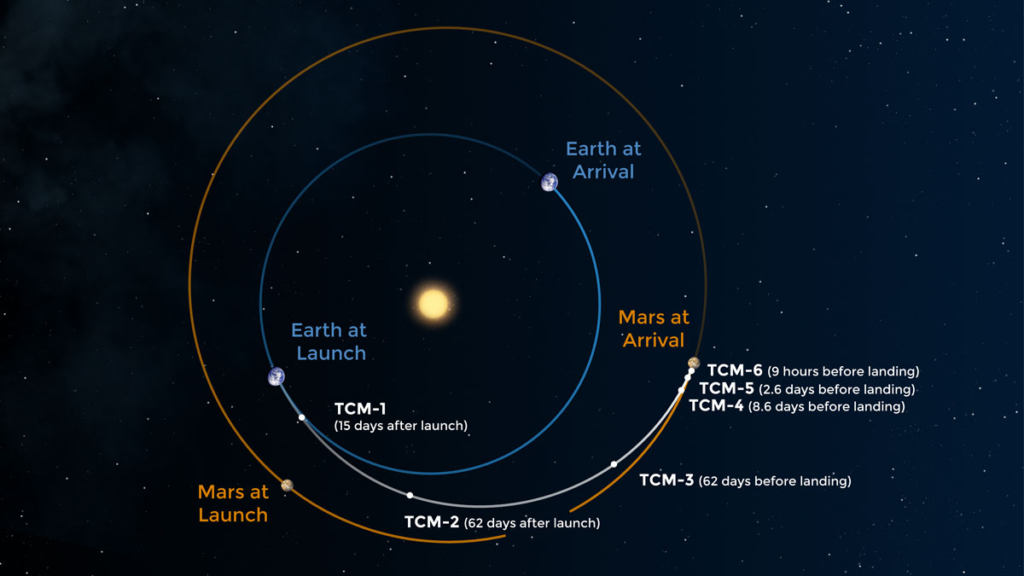
さて今回の「opposition」の年を特定してみよう。
前段落から、少なくとも1899年の衝まではロケット発射台を建造していたことがわかっているからそれ以降だ。
それで、数段落後に「火星は4000万マイル離れていた」(≒6500万㎞)という記述があるから、6146万㎞離れていた1907年の衝だということがわかるぞ。
補強証拠もある。1907年の衝は7/6で、最接近は7/13。「衝」の日付はあくまで目安で、特定の一日ではなくある程度の期間があるものだから、この段落中の「midnight of the twelfth」(12日の真夜中)という記述にもぴったり当てはまる。さらに、「warm / thirsty」という表現が第14話で出てくるから7月という季節もぴったりだ。
衝のデータ出典:https://stjerneskinn.com/mars-at-opposition.htm
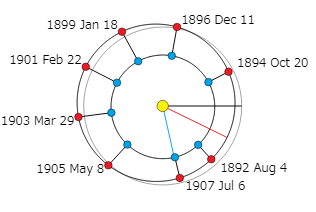
1907/07/12~21にかけて火星を出立したことがわかったから、侵攻が始まった年も絞り込めそうね。
まず、後の章の記述から、季節的には6月に侵攻があったことが判明しているのよ(上巻第17章・下巻第3章)。
そして21世紀の地球技術だと地球から火星までは最短半年だけど、かなり巨大な有人宇宙船だったことも加味すれば、11か月かかってもおかしくないわ。
ということで、1908年06月に地球侵攻が始まったとみていいわね。ちなみにもうちょっと章が進めば曜日の関係から日付まで特定できるけど、そのときが来たらやろうかしら。
(追記:「戦争前夜」という表現もあるし、現実的に執筆当時の天体予想が少しずれている可能性も踏まえると、1907年侵攻説もじゅうぶんあるわ)
ともあれ、H. G. Wellsさんは出版(1898年)から10年後の世界を舞台にしているんだ。
ただ、H. G. Wellsさんがいる世界は1898年だから、地図や時代常識は1898年で見なければいけないことは忘れないようにしよう。
P.S. 言い忘れていたが、1文目に「six years from now」とあるから、わたしウェストリッジがこの回想を書いているのは1907+6=1913年ということになる。ちょうど第一次世界大戦勃発間近だな。
解答編
<英文解釈記号ルール>
〔〕→関係詞句・節
【】→接続詞句・節
《》→挿入句・節
[ ] →名詞句・節
()→副詞句・節
〈〉→形容詞句・節
The storm* burst upon* us six years ago now. 【As Mars approached opposition】, Lavelle of Java* set the wires* of the astronomical exchange (palpitating* with the amazing intelligence* of a huge outbreak of incandescent* gas upon the planet). It had occurred towards midnight of the twelfth; and the spectroscope*, 《to which she had at once resorted*》, indicated a mass of flaming gas, 《chiefly* hydrogen》, 〈moving with an enormous velocity towards this earth〉. This jet of fire had become invisible about a quarter past twelve. He compared it to a colossal* puff* of flame 〈suddenly and violently squirted* out of the planet〉, “as* flaming gases rushed out of a gun.”
1. オレンジの「palpitating」は分詞構文。意味から「ドキドキしながら」という風にとれますね。
2. ピンクの「the twelfth」は「12日」。序数は日付です。「12時」じゃないですよ。midnight(深夜12時)があるから、重複してますし。
3. 青の「it」が指しているものは、this jet of fire.
今から6年前、騒動は突然起こった。火星が衝の位置に到達したとき、ジャワ島のラヴェルは、高温で光るガスが火星上で大量に発生したという驚くべき情報にドキドキしながら、天文学者間で情報共有するために電報を打った。それは12日の夜0時になろうとしている頃に起こった。ラヴェルはすぐに分光器に頼ったが、燃え立つガスのかたまり(主に水素)がこの地球に向かってものすごい速さで動いていることを示していた。この猛スピードの炎は0時15分ごろには見えなくなった。ラヴェルは激しく突然火星の外に向けて噴出されたこの炎を「大砲の外に噴き出して燃えるガスのようだ」とたとえた。
高温気体は、以下の画像のように元素固有の線スペクトルを示すの。理系なら高校物理で習うかしら。リュードベリの理論がここ10年くらいの間(1890年ごろ)に出てきたわ。
ともあれ分光器でどんな波長の光が出るか調べれば、どんな元素が含まれてるかわかるってわけ。今回の線スペクトルは水素、つまりロケットエンジンの燃料を示してるのよ。

…原子物理を習い終わった人がこんな記事読むかな?
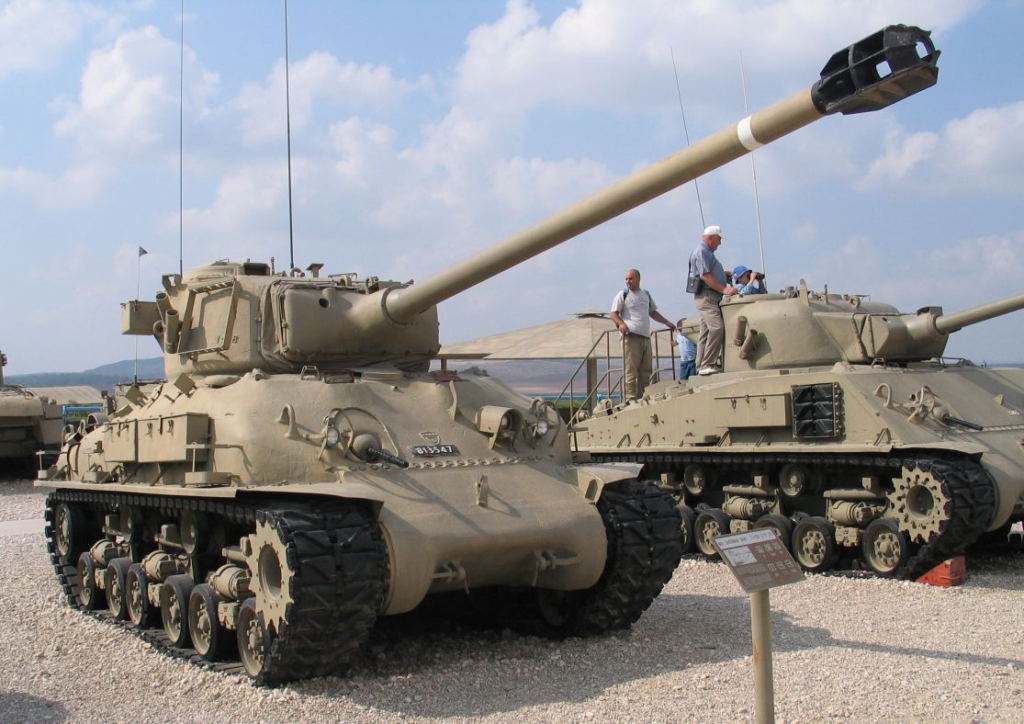
ともあれこの炎の様子を例えた最終文「”as flaming gases rushed out of a gun”」(大砲を撃つときに噴き出す燃えるガス)は、「マズルフラッシュ」のことだ。
以下にメルカバ戦車のマズルフラッシュの様子を出しておこう。
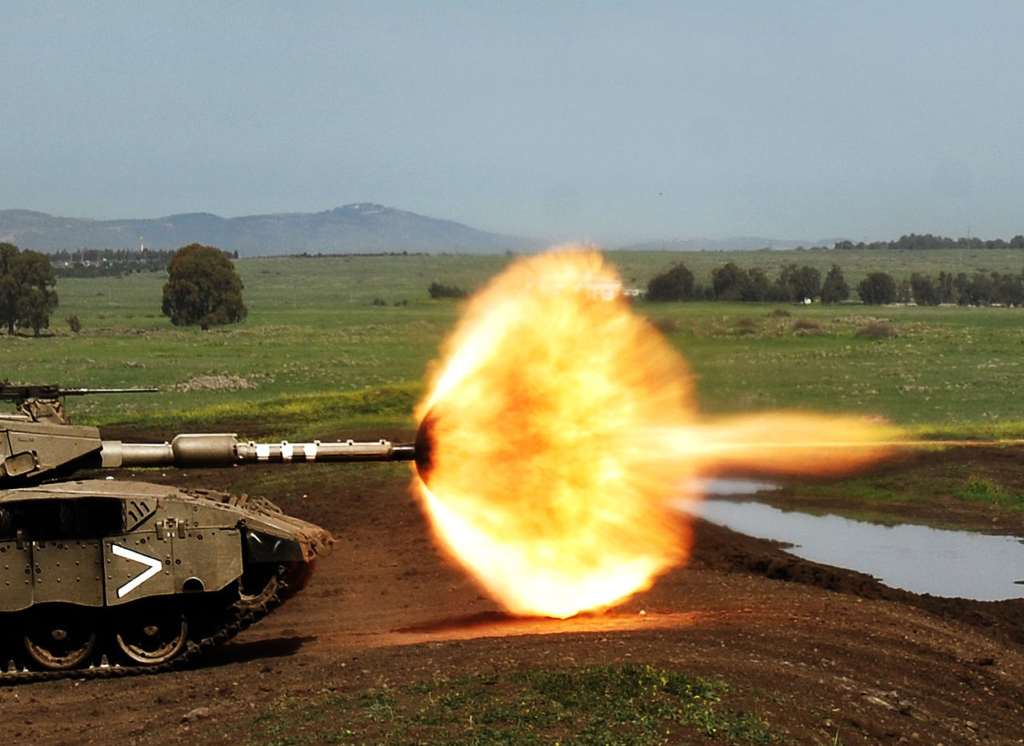
(ようやくこのシリーズタイトルを回収できたわね)
基礎的なことだけど、第二次大戦のころの戦車砲の先っぽについてるキャップみたいなもの(マズルブレーキ)はそのガスを逃がして反動を抑えるためのものよ。
第1章 第10段落

よろしく!(>_<)
今回から小説本編で「Ogilvy」という人物の役を務めるGuPアンチョビだ。例によってOgilvyにわたしのキャラを重ねてみてもいいかもしれない。まあ、わたしの役のOgilvyは男だから多少矛盾は出るかもだがな。
わたしが役を務める語り手も男だからな。後々おかしくなるかもしれない…。
さて挨拶もそこそこに本編に入るけど、以下の1文目(黄色マーカーを引いたところ)のitは「“as flaming gases rushed out of a gun.”」(マズルフラッシュ)だぜ(第9段落末を参照)。
問題編
A singularly* appropriate* phrase it proved. Yet the next day there was nothing of this in the papers except a little note in the Daily Telegraph, and the world went in ignorance of* one of the gravest* dangers that ever threatened* the human race. I might not have heard of the eruption* at all had I not met Ogilvy, the well-known astronomer*, at Ottershaw*. He was immensely excited at the news, and in the excess of his feelings invited me up to take a turn* with him that night in a scrutiny* of the red planet.
singularly特に appropriate適切な in ignorance of~に無知で(cf. be ignorant of) grave深刻な threaten脅かす eruption爆発 astronomer天文学者 Ottershawオターシャウ(イギリスの地名) take a turn方向を変える(→つまり新しく何かやってみるってこと)(後ろにinがあるから、そこと呼応させて考えていいかも) scrutiny(<scrutinise)調査
1. 第1文(黄色マーカー)の文型表示してね!
2. オレンジ色の「papers」の意味は?
3. 赤色マーカーの文型表示してね!
4. 青色の「and」が繋いでるものは?
解答編
オターシャウ(Ottershaw)は21世紀の世界だと、ロンドンから電車で1時間とかと言ったところだな。
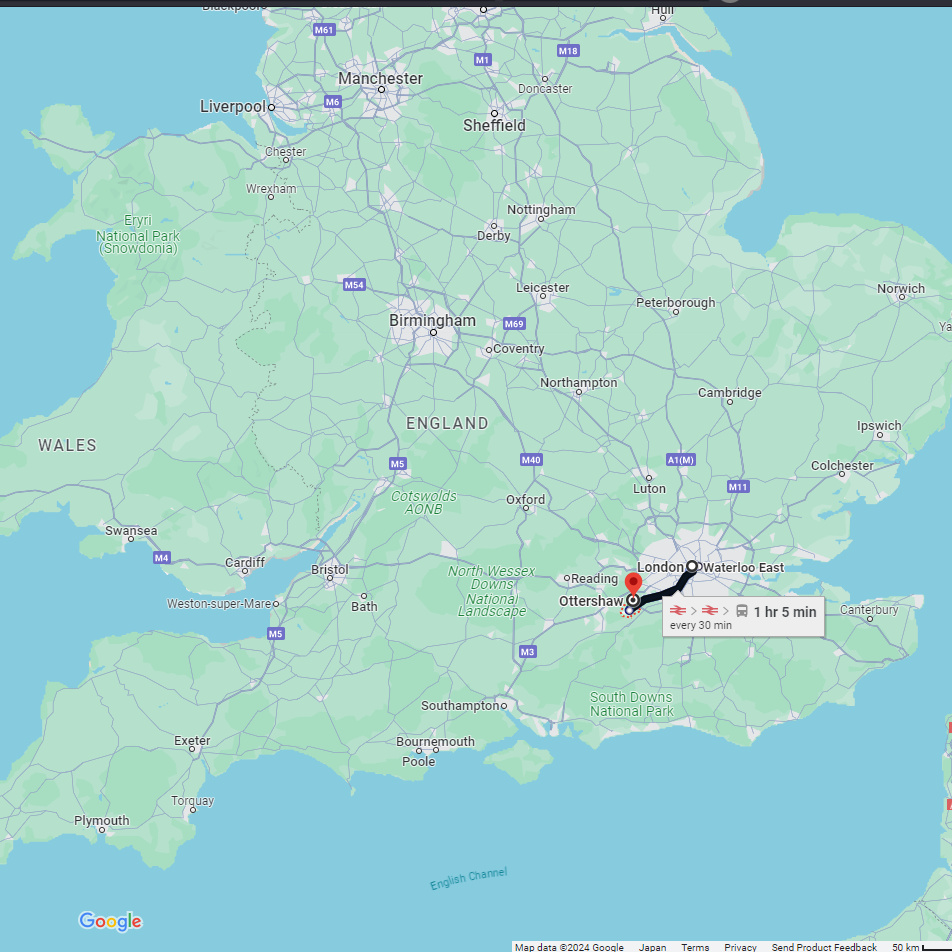
わたし(=語り手)の家があるWokingの付近にOttershawがあるぞ。
Woking~Ottershawは歩きだと1時間半くらいかかる距離だ。
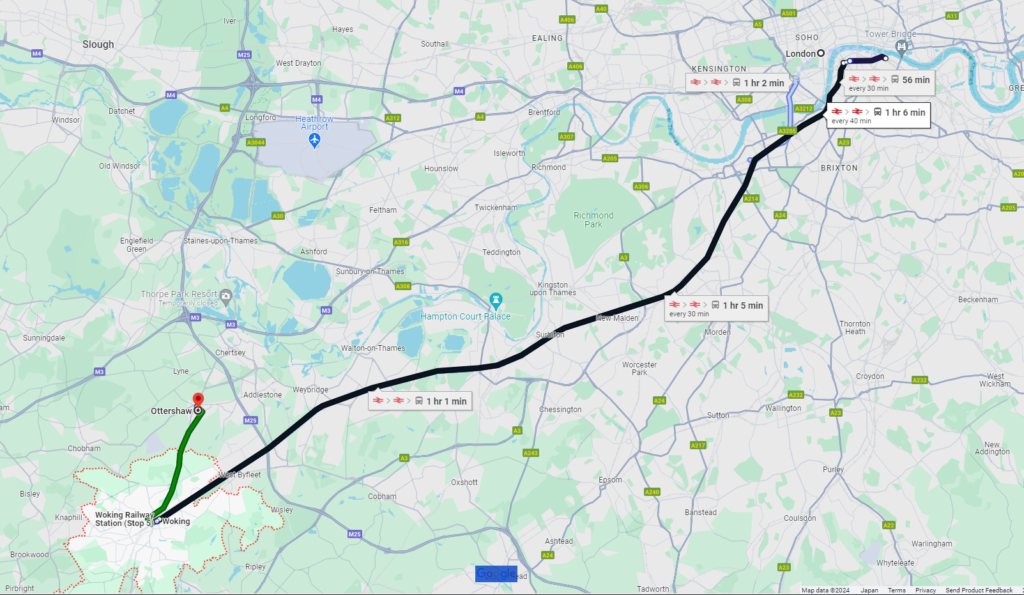
Londonを東京とするなら、Wokingは横浜、千葉みたいなイメージを持ってくれるといいわ。
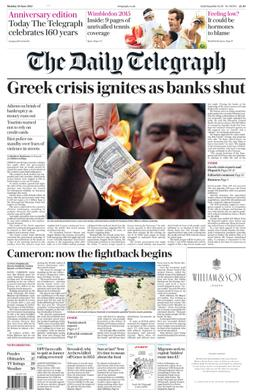
さて今回出てくる「Daily Telegraph」は1858年創刊の新聞。「The Times」と「The Guardian」と並んで、イギリス三大高級紙よ。政治的スタンスはそこそこ右翼・保守ってとこね。
<英文解釈記号ルール>
〔〕→関係詞句・節
【】→接続詞句・節
《》→挿入句・節
[ ] →名詞句・節
()→副詞句・節
〈〉→形容詞句・節
A singularly* appropriate* phrase it proved. Yet (the next day) there was nothing of this (in the papers) (except a little note in the Daily Telegraph), and the world went in ignorance of* one of the gravest* dangers 〔that ever threatened* the human race〕. I might not have heard of the eruption* (at all) 【had I not met Ogilvy, 《the well-known astronomer*》, at Ottershaw*】. He was immensely excited at the news, and (in the excess of his feelings) invited me up to take a turn* (with him) (that night) in a scrutiny* of the red planet.
1. 第1文(黄色マーカー)の文型表示は上の通り。第2文型倒置(っぽいもの)です。主語が代名詞のときは、CVSではなくCSVとなります。旧情報を強調したくないからですね。
あとprove <to be> C ≒ turn out <to be> C「Cだとわかる」です。
2. オレンジ色の「paper」は可算名詞で、意味は、「新聞」。
3. 赤色マーカーの(高校レベルの)文型表示は上の通り。if省略の仮定法過去完了です。こんな風にif節が後ろにいるときは、hadが動詞みたいに見えて困りますよね。
4. 青色の「and」が繋いでるものは、was excitedとinvitedです。どちらもsheに繋がってます。
全訳
「マズルフラッシュ」という言い方は、特に適切な言い回しだったとのちにわかった。しかしその翌日、デイリー・テレグラフ紙の小さな記事くらいしかこのことは新聞に載っていなかった。この世界は人類を脅かす最も重大な危機の一つに無知のまま進んでいた。有名な天文学者のオギルヴィとオターショウで会わなかったら、わたしはそのガス噴射の話を全く聞かなかったかもしれない。オギルヴィはそのニュースにひどく興奮して感情があふれており、その夜「一緒に火星観測やろうよ」とわたしをさそってきた。
第1章 第11段落
オギルヴィ(CV. GuPアンチョビちゃん)との、お泊り@天文台だ。
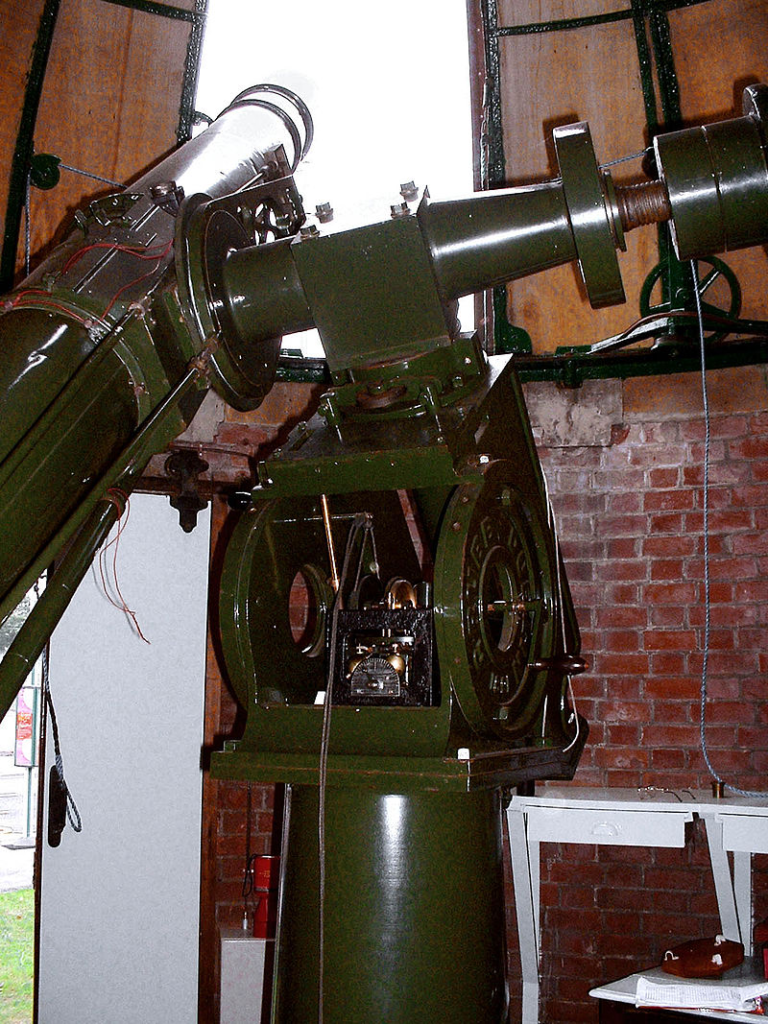
ちなみに、わたしたちのころはこんな感じの望遠鏡だったぜ。
地球は自転するから、時間がたつと対象の星が望遠鏡の視野から外れちゃうな。それを防ぐために、時計を使ったギミックで望遠鏡を回してたんだ。19世紀中ごろに実用化されてきた新技術で、一般には「clock drive」と言う。この文章では「clockwork」に当たるな。
問題編
In spite of all that has happened since, I still remember that vigil* very distinctly*: the black and silent observatory, the shadowed* lantern throwing a feeble* glow* upon the floor in the corner, the steady* ticking* of the clockwork* of the telescope, the little slit* in the roof—an oblong* profundity* with the stardust* streaked* across it. Ogilvy moved about*, invisible but audible*. Looking through the telescope, one* saw a circle of deep blue and the little round planet swimming in the field. It seemed such a little thing, so bright and small and still*, faintly* marked* with transverse* stripes, and slightly flattened* from the perfect round. But so little it was, so silvery* warm—a pin’s* head of light! It was as if it quivered*, but really this was the telescope vibrating* with the activity of the clockwork that kept the planet in view.
vigil徹夜 distinctly(<distinct)はっきりと shadowed薄暗い feeble弱い glow光 steady一定の tickingチクタク音 clockwork仕掛け時計(上記解説の通り) slit隙間 oblong長方形 profundity深遠 stardust星屑 streaked筋をつけられた(通例、受身) about≒around audible聞こえる one:「わたし」の客観的表現 still動かない faintlyかすかに marked模様をつけられた transverse横方向の flatten(<flat)へこます silvery(<silver)銀の pinピン quiver震える vibrate震動する
1. オレンジ色の「since」の品詞は?
2. 赤マーカーを和訳すると?
3. ピンク色の「invisible but audible」の前に省略されてる単語は?
4. 黄色の「circle」が表すものは?
5. 緑色の「planet」って何ですか?
6. 茶色の「such」の意味は?
7. 青マーカーの文型表示してね。
解答編
「silvery warm」=「銀のように暖かい」とあるけど、銀は悪魔を退治する神聖なものだから、「守護」のイメージが「暖かさ」に繋がるのも納得ね。
ギリシャ神話にもSeleneという神様がいて、神々しい月の輝きと銀の輝きが結びついたり…
In spite of all 〔that has happened since〕, I still remember that vigil* very distinctly*: [the black and silent observatory], [the shadowed* lantern 《throwing a feeble* glow* upon the floor in the corner》], [the steady* ticking* of the clockwork* of the telescope], [the little slit* in the roof—an oblong* profundity* 〈with the stardust* streaked* across it〉]. Ogilvy moved about*, (invisible but audible*). (Looking through the telescope), one* saw a circle of deep blue and the little round planet 〈swimming in the field〉. It seemed such a little thing, 〈so bright and small and still*〉, 〈faintly* marked* with transverse* stripes〉, and 〈slightly flattened* from the perfect round〉. But so little it was, so silvery* warm—a pin’s* head of light! It was as if it quivered*, but really this was the telescope vibrating* with the activity of the clockwork 〔that kept the planet in view〕.
1. オレンジ色の「since」の品詞は副詞。まあ、普段は前置詞か接続詞ですがこういうこともあります。
2. 全訳参照。with O Cの付帯状況(のようなもの)だということを意識しましょう。まあ厳密に言えばwithが副詞句じゃないので微妙ですが。
3. ピンク色の「invisible but audible」の前に省略されてる単語は「being」です。Ogilvina moved about and she was invisible but audible というのがもとで、分詞構文にしてOgilvina moved about, being invisible but audible. ですが、beingは省略できるので省略したという形です。
4. a circle of deep blueとは、望遠鏡をのぞいた時の視野のこと。望遠鏡を通じて見た景色は、真っ暗な宇宙の丸のはずです。
5. 緑色の「planet」はもちろん火星のことですね。周辺のitもだいたいこれ。
6. 茶色の「such」はここでは「非常に」という意味。such a little thing≒ so little a thingと言い換えられますよね。
7. 青マーカーの文型は上の通り。第2文型倒置はもうばっちりだね。
全訳
あのとき以来いろいろなことが起こったけれども、わたしはまだあの徹夜をとてもはっきりと覚えている。黒く静かな観測所、角の床に弱い光を投げかける薄暗いランタン、望遠鏡の仕掛け時計の一定のチクタク音、屋根の小さな細長い隙間ー星屑の縞模様の長方形の深淵。オギルヴィはあちこち動いていた。その姿は見えなかったけど音は聞こえた。望遠鏡を通して見ると、暗青の円とその中を泳いでいる小さな丸い惑星が見えた。それはとてもかわいらしいもので、たいそう明るくて小さく動かなかった。かすかに横縞の模様がついていて、わずかにへこんで完璧な円ではなくなっていた。でもそれはとても小さく、銀のように暖かかった。ピンの頭の光みたいだった! その星はまるで震えているようだったが、本当は視野を固定するための仕掛け時計と望遠鏡が連動して揺れていたのだった。
「flattened from the perfect round」ってあるけど、重力と遠心力の力の釣り合いの関係で、星はちょっとへこんでるんだよな。赤道と北極で体重(重力加速度)が変わるってエピソードは知ってるかもな。
和訳について「that kept the planet in view」の部分は、ばっさりカットして「視野を固定するための」としてもいいかもな。
第1章 第12段落
オギルヴィさん(CV.アンチョビ)とのお泊り編の続きだ
以下に出てくる「material universe」ってのは、神様とか謎の精神物体とかそういった超常的な存在がいないと考える宇宙世界のことだ。まだ宇宙は神秘すぎて、幻想と現実があいまいだからそういう区別もあるわけだな。
問題編
As I watched, the planet seemed to grow larger and smaller and to advance and recede, but that was simply that my eye was tired. Forty millions of miles it was from us—more than forty millions of miles of void*. Few people realise the immensity* of vacancy* in which the dust* of the material universe* swims.
void宇宙空間 immensity(<immense)無限 vacancy空間 dust塵 material universe物質宇宙(上の解説)
1. オレンジ色の「recede」の意味を推測してね。
2. 赤マーカーを和訳すると?
3. 最終文(Few people…)を和訳すると?
解答編
【As I watched】, the planet seemed to grow larger and smaller and to advance and recede, but that was simply [that my eye was tired]. Forty millions of miles it was from us—more than forty millions of miles of void*. Few people realise the immensity* of vacancy* 〔in which the dust* of the material universe* swims〕.
1. オレンジ色の「recede」の意味は「後退する」。largerとsmallerで対比なんだから、advanceとrecedeも対比されてるはずだよね。まあ、re(再び)+cede(進む)っていう語幹から推測してもいいんだけど。
2. 全訳参照。forty millions of milesをCと考えてもいいし、inが省略されてると考えて副詞句ととってもいいかもね。いずれにせよ、CSVかMSVの倒置(っぽいもの)になるわね。
※倒置は「VのあとにSが来る」という定義なので、厳密に言えば倒置じゃないんですけど、まあ一緒に扱いましょ。
3. 全訳参照。fewなどの準否定語が文頭に来たら「ない」を文末に送って訳しましょう。また、immensity of vacancyは名詞構文でとってあげるといいかな。
全訳
わたしが観測していた時、火星が大きくなったり小さくなったり、前に進んできたり後ろに下がったりしている気がした。単にわたしの目が疲れてただけだったんだけれども。火星はわたしたちから4000万マイルの距離にあった。宇宙の虚空は4000万マイル以上存在していた。物質宇宙の塵が泳ぐ空間が無限にあることを理解している人はほとんどいなかった。
第1章 第12段落
まだお泊り会のとちゅうだぞっ
久しぶりに難しい段落ですよ
問題編
Near it in the field, I remember, were three faint points of light, three telescopic* stars infinitely remote, and all around it was the unfathomable* darkness of empty space. You know how that blackness looks on a frosty* starlight night. In a telescope it seems far profounder*. And invisible to me because it was so remote and small, flying swiftly* and steadily* towards me across that incredible* distance, drawing* nearer every minute by so many thousands of miles, came the Thing they were sending us, the Thing that was to bring so much struggle* and calamity* and death to the earth. I never dreamed of it then as I watched; no one on earth dreamed of that unerring* missile.
telescopic(<telescope)望遠鏡で見える unfathomable未解明の frosty冷たい profounder(profound深遠な の比較級。ただしmore profoundが普通) swiftly速く steadily(<steady)着々と incredible信じられない draw近づく struggle争い calamity大惨事 unerring(<error)間違わない
1. 第1文(黄色マーカー)の主語と動詞は? あと訳は?
2. オレンジの「invisible」の前に省略されてる語は?
3. 緑色の「,」は「and」の代用なんだけど、そしたらそのandが繋いでるものは?
4. 赤色アンダーラインの文の主語と動詞は?
5. 紫の「by」の意味は?
6. 青の「was to」の意味は?
7. 茶色の「it」が指すものは?
解答編
「the Thing」ってのは、火星人が放った宇宙船のことだな。
そうそう、大砲で砲弾を飛ばすイメージでロケットが考えられてることに注意してくれ。
だから宇宙船が「missile」(ミサイル)とか「shell」(砲弾)という表現になったりする。
間違っても、「unerring missile」(直訳だと「正確なミサイル」)でICBMを想像するなよ。
積んでるのは爆弾じゃなくて火星人だ。
(Near it in the field), 《I remember》, were three faint points of light, 《three telescopic* stars infinitely remote》, and (all around) it was the unfathomable* darkness of empty space. You know [how that blackness looks on a frosty* starlight night]. (In a telescope) it seems far profounder*. And (invisible to me 【because it was so remote and small】), (flying swiftly* and steadily* towards me across that incredible* distance), (drawing* nearer (every minute by so many thousands of miles)), came the Thing 〔they were sending us〕, 《the Thing 〔that was to bring so much struggle* and calamity* and death to the earth〕》. I never dreamed of it then 【as I watched】; no one on earth dreamed of that unerring* missile.
1. 第1文の文型表示は上の通りです。訳は全訳参照。第1文型倒置MVSが見られる上に、挿入が複雑に絡み合っています。「three telescopic* stars infinitely remote」は前のthree faint points of lightと同格ですね。
2. オレンジの「invisible」の前に省略されてる語は「being」です。そのあとのflying, drawingと同じく分詞構文をつくっています。なお、「and」があるから、前文からの続きだと思って「it seems」の省略だと考える人もいるかもしれませんが、itはblacknessを指すので、ちょっと意味がおかしくなってしまいます。
3. 緑色の「,」が繋いでるものは、(being) invisible, flying, drawingの3つの分詞構文です。すべて「the Thing」が主語です。
4. 赤色アンダーラインの文の主語は「the Thing」、動詞は「came」です。
2個目のthe Thingは1個目のと同格です。
5. 紫の「by」の意味は「~ずつ」とか「~単位で」。They sell eggs by the dozen.(1ダース単位で卵を売ってる)などの例文を思い出しましょう。every minuteがあるからわかりやすかったですね。
6. 青の「was to」の意味は、「~することになる」。運命用法とかそこらへんです。意志・命令・可能・予定とあわせて、計5用法を覚えておけばいいのかな。
7. 茶色の「it」が指すものは、「to bring so much struggle* and calamity* and death to the earth」でしょうか。火星人が引き起こす厄災のことです。
全訳
視界の中、火星の近くには3個のかすかな光の点があった。それは無限の彼方にあって望遠鏡で見えている3つの星だった。その周りには空っぽの宇宙に漂う未解明の闇だけがあった。そんなことを覚えてる。冷たい星明りの夜どんな風に暗闇が見えるかは知っているだろう。望遠鏡ではもっと深遠なものに見えるのだ。そして火星人が地球に放った宇宙船ー多くの闘争と大惨事と死を地球にもたらすことになるその宇宙船は進んできていた。とても遠く小さかったために見えなかったが、素早く着実に、信じられないほどの距離を飛び、1分で何千マイルも近づいてきていた。わたしは見ている間、そんな宇宙船のことなど夢にも見ていなかった。そして地球上の誰も、その正確な宇宙船のことを想像だにしなかった。
この段落にも出てくるが、「;」は文と文を繋ぐandの代用と思っていればおおむね間違いはないぞ。
で、地球~火星の距離は4000万マイルほど(第12段落)で、飛行軌道の関係で2~3倍になるとしても1億マイル程度。1分に何千マイル(低く見積もって1000マイル)も進めるなら、10^5分=1667時間=約70日 で地球にたどりつくことになる。
第1章 第14段落
この段落に出てくる「siphon」はこの写真のようなソーダサイフォン。
炭酸水が作れる装置で、最近(1900年ごろ)けっこう流行っていたのだ。
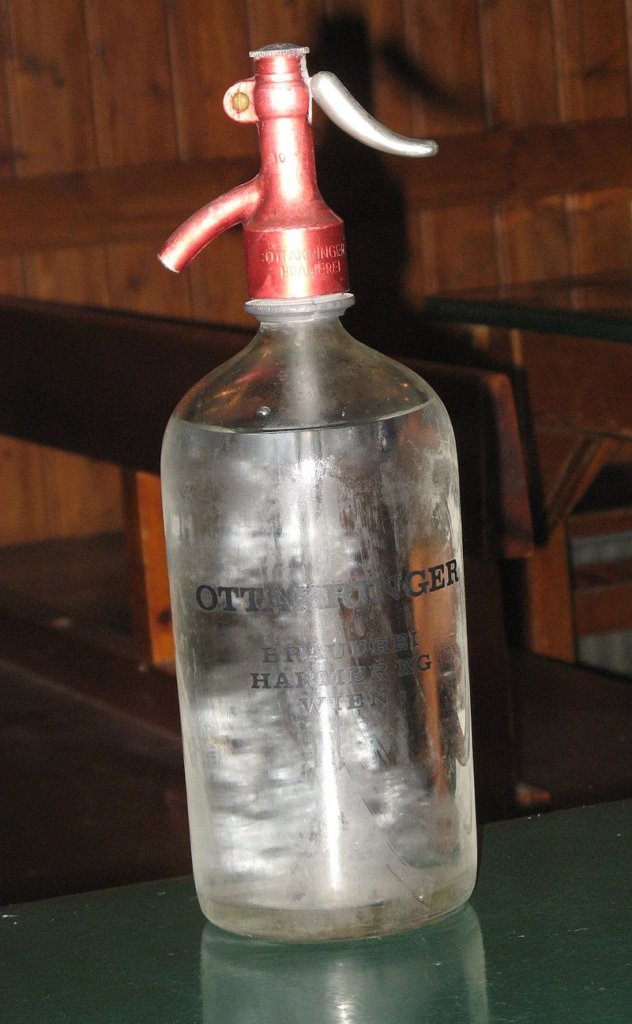
あら、イギリスなのに紅茶以外を飲むなんてことが許されると思って?
…tea sodaなんてどうだ?
訴えるわよ
(紅茶だって安定して手に入るようになったのは最近のことだっていうのに)
問題編
That night, too, there was another jetting* out of gas from the distant planet. I saw it. A reddish* flash at the edge, the slightest projection* of the outline* just as the chronometer* struck midnight; and at that* I told Ogilvy and she took my place. The night was warm and I was thirsty, and I went stretching* my legs clumsily* and feeling my way* in the darkness, to the little table where the siphon stood, while Ogilvy exclaimed at the streamer* of gas that came out towards us.
jetting噴出 reddish赤い projection突き出てるもの outline輪郭 chronometer高精度時計 at thatそれからすぐに stretchのばす clumsilyぎこちなく feel one’s way手探りで進む streamer流れ
1. オレンジ色の「out of」の意味は?
2. 紫の「as」の意味は?
3. 赤マーカーアンダーラインのto句が修飾している語は?
解答編

I saw it. A reddish* flash at the edge, the slightest projection* of the outlineとあるけど、「A reddish* flash at the edge, the slightest projection* of the outline」は見たもの(it)を説明してるわけね。
(That night), 《too》, there was another jetting* 〈out of gas〉 from the distant planet. I saw it. A reddish* flash at the edge, the slightest projection* of the outline* 【just as the chronometer* struck midnight】; and (at that*) I told Ogilvy and she took my place. The night was warm and I was thirsty, and I went (stretching* my legs clumsily*) and (feeling my way* in the darkness), (to the little table 〔where the siphon stood〕), 【while Ogilvy exclaimed (at the streamer* of gas) 〔that came out towards us〕】.
1. オレンジ色の「out of」の意味は「~でできている」。構成材料を表します。
2. 紫の「as」の意味は「とき」。whenより同時性が強いです。
3. 赤マーカーアンダーラインのto句が修飾している語は「went」。「went to」ですね。went Vingの形じゃないですから、stretchingとfeelingは分詞構文ですね。
全訳
あの夜もまた、その遠い惑星からもう一度ガスの噴出があった。わたしはその瞬間を目撃した。縁の部分で赤い閃光が走り、輪郭がわずかに突き出た。クロノメーターが深夜12時を指すちょうどそのときだった。それからすぐにオギルヴィに知らせ、場所を代わった。その夜はあったかく、のどが渇いた。だからぎこちなく足をのばして闇の中を手探りで進み、ソーダサイフォンが置いてある小さなテーブルのところに行った。その間、地球の方へ来るガスの流れをみつけて、オギルヴィは叫んでた。
…というかあれだ、ティーソーダなんて、パインをのせたピザみたいな概念だよな
いちおう、あるらしいぜ。
第1章 第15段落
以下に「(just a second or so under) twenty-four hours after」というちょっと難しい表現があるけど、just under 24h afterなら「~の後24時間弱」だから、a second or soがついても、「ほぼ24時間後」と訳してしまっていいんじゃないかしら。
強意ってことだな。
あと物語に出てくる地名がまた一つ増えるぞ。「Chertsey」ってとこだ。わたしが住んでるWokingから、Ottershaw(オギルヴィと会ったとこ)までは徒歩で90分くらい。そこから徒歩45分くらいのとこにChertseyがある。いまお泊りしてる天文台は、OttershawとChertseyの間くらいにあるのかな。
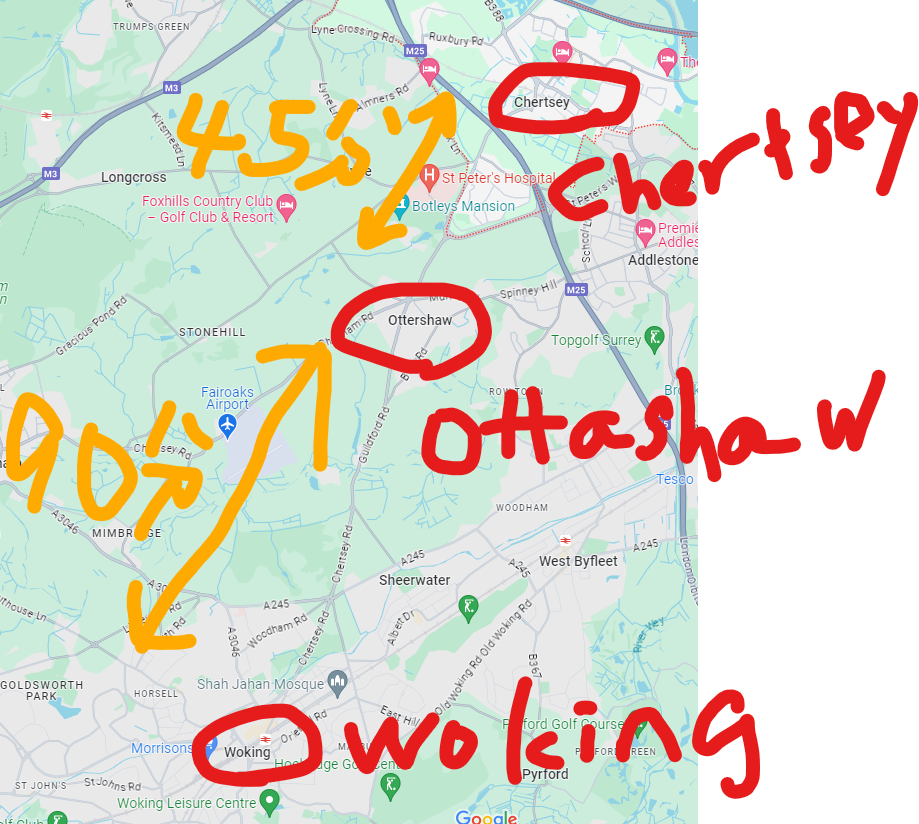
上の地図、Ottershawの綴りまちがってるじゃん
問題編
That night another invisible missile started on its way to the earth from Mars, just a second or so under twenty-four hours after the first one. I remember how I sat on the table there in the blackness, with patches* of green and crimson* swimming before my eyes. I wished I had a light to smoke by, little suspecting* the meaning of the minute gleam* I had seen and all that it would presently bring me. Ogilvy watched till one, and then gave it up; and we lit* the lantern and walked over to* his house. Down below in the darkness were Ottershaw and Chertsey and all their hundreds of people, sleeping in peace.
patchまだら模様 crimson深紅 suspect気づく gleam光 lit(lightの過去形)火をつける walk over toまで歩く(cf. go over)
1. 青色の「little」の意味は?
2. オレンジの「minute」の意味は?
3. 茶色のandがつなぐものは?
4. 緑の「it」が指すものは?
5. 紫の「one」の意味は?
6. 青マーカーアンダーラインの部分の文型表示は?
解答編
「patches of green and crimson swimming before my eyes」ってあるけどさ、
視界になんかミドリムシみたいなのが泳いでるときあるよな。
飛蚊症って言うらしいわ
(That night) another invisible missile started on its way to the earth from Mars, (just a second or so under twenty-four hours after the first one). I remember [how I sat on the table there in the blackness], (with patches* of green and crimson* swimming before my eyes). I wished I had a light to smoke by, (little suspecting* the meaning of the minute gleam* 〔I had seen〕 and all 〔that it would presently bring me〕). Ogilvy watched till one, and then gave it up; and we lit* the lantern and walked over to* his house. (Down below in the darkness) were Ottershaw and Chertsey and all their hundreds of people, sleeping in peace.
1. 青色の「little」の意味は「ほとんど~ない」。suspectingと合わせて「ほとんど気付かなかった」です。
2. オレンジの「minute」の意味は「ごく小さい」。形容詞です。発音も変わるので注意(「マイニュート」みたいになります)。
3. 茶色のandがつなぐものは、the meaningとallです。気づかなかったものを繋いでます。
4. 緑の「it」が指すものは (another) invisible missileです。わたしたちに現在災厄を持ってきてるんです。
5. 紫の「one」の意味は「1時」。こうやって単体でoneって書かれると意外とわかんないもんです。
6. 青マーカーアンダーラインの部分の文型表示は上の通り。MVSの第一文型倒置です。
sleeping in peaceは分詞構文です。補語じゃないです(VSC倒置となるパターンはない)。
全訳
あの夜、もう一隻の宇宙船が、姿は見えなかったが火星から地球に向けて飛行を始めていた。最初の宇宙船からほぼ24時間後の打上げだった。深紅と緑のまだら模様が眼の前で泳いでる中、暗闇の中テーブルに座っていた様子を思い出す。タバコの火があればなぁと思っていたくらいで、さっき見たごく小さな光の意味やまもなくわたしに降りかかる運命について悪い予感はほとんどしていなかったのだ。オギルヴィは1時まで観察してた。そして観察を終え、わたしたちはランタンに火をともし、オギルヴィの家へ歩いた。暗闇の中、眼下にはオターシャウとチャーツィーがあり、何百人もの人々が平和に眠っていた。
wish(仮定法)だから、実際にはタバコ吸ってないからっ。
なんかかっこつけて吸いたいような雰囲気になったってだけだからっ。
それって処女信仰みたいなもんじゃん。
第1章 第16段落
真夜中、オギルヴィと話しながら帰ってるところ。
問題編
He was full of speculation* that night about the condition of Mars, and scoffed* at the vulgar* idea of its having inhabitants* who were signalling us. His idea was that meteorites* might be falling in a heavy shower upon the planet, or that a huge volcanic* explosion was in progress*. He pointed out* to me how unlikely it was that organic* evolution had taken the same direction in the two adjacent* planets.
“The chances against anything manlike* on Mars are a million to one,” she said.
speculation思いを巡らすこと scoffばかにする vulgar無教養な inhabitant住人 meteorite隕石 volcanic火山の in progress進行中で point out指摘する organic自然の adjacent隣の manlike人のような
1. 赤マーカーアンダーラインの部分の訳は?
2. 茶色の「of」の意味は?
3. オレンジの「or」がつないでるものは?
4. ピンクの「it」が指すものは?
5. 紫の「chance」の意味は?
6. 緑の「a million to one」の意味を推測すると?
解答編
あなた(の役のOgilvy)、思いっきり間違えたこと言ってるじゃないですか
ドゥーチェは科学的根拠に従ったに過ぎないのだが
He was full of speculation* (that night) (about the condition of Mars), and scoffed* (at the vulgar* idea of [its having inhabitants* 〔who were signalling us〕]). His idea was [that meteorites* might be falling in a heavy shower upon the planet], or [that a huge volcanic* explosion was in progress*]. He pointed out* (to me) [how unlikely it was [that organic* evolution had taken the same direction in the two adjacent* planets]].
“The chances 〈against anything manlike* on Mars〉 are a million to one,” she said.
1. 全訳参照。前置詞ofの後だから、「it has inhabitants」が元だと思って訳せばいいですね。
2. 茶色の「of」の意味は、「~という」(同格)。情報とか考えを表す名詞のあとにofが来たらまずは同格を疑ってみましょう。逆に英作文では下手に同格ofを使わないように。
3. オレンジの「or」がつないでるものは、2つのthat。オギルヴィーナちゃんの考え。
4. ピンクの「it」が指すものは後ろのthat以下。itーthat形式主語ですね。
5. 紫の「chance」の意味は「可能性」。
6. 緑の「a million to one」の意味は直訳すると「百万分の一」。まあ「万に一つ」としておけばいいですね。
全訳
オギルヴィはあの夜、火星の状態で頭がいっぱいで、わたしたちに信号を送っている住人が火星にいるという無教養な考えをばかにしていた。オギルヴィの考えは隕石が火星上に激しい雨のように降っているか、巨大な火山の爆発が進行中か、ってところで、隣接する惑星で自然進化が同じルートをたどってくるなんてありえないと指摘した。「火星に人間のようなやつがいるって可能性は万に一つだ」とオギルヴィは言っていた。
第1章 第17段落
オギルヴィにさよなら言って、お家に戻ったとこだ。
問題編
Hundreds of observers saw the flame* that night and the night after* about midnight, and again the night after; and so for ten nights, a flame each night. Why the shots* ceased* after the tenth no one on earth has attempted to explain. It may be the gases of the firing caused the Martians inconvenience*. Dense* clouds of smoke or dust, visible through a powerful telescope on earth as little grey, fluctuating* patches, spread through the clearness of the planet’s atmosphere and obscured* its more familiar features*.
flame炎 the night after次の夜 shot射撃(=ロケットの発射) ceaseやめる inconvenience不便 dense濃密な fluctuate変動する obscure覆う feature特徴
1. 赤アンダーラインの文型表示は?
2. 青アンダーラインの文型表示は?
3. 緑の「visible」の前に省略されてる単語は?
4. 紫の「and」が繋いでるものは?
5. 黄マーカーの文型表示は?
解答編
the night afterの「after」は副詞かな、形容詞かな。…いずれにせよ珍しい使い方ね。
Hundreds of observers saw the flame* (that night) and (the night after* (about midnight)), and again (the night after); and so (for ten nights), a flame each night. [Why the shots* ceased* after the tenth] no one 〈on earth〉 has attempted to explain. It may be [the gases of the firing caused the Martians inconvenience*]. Dense* clouds of smoke or dust, 《visible (through a powerful telescope on earth) (as little grey, fluctuating* patches)》, spread (through the clearness of the planet’s atmosphere) and obscured* its more familiar features*.
1. 赤マーカーの文型表示は上の通り。whyが名詞句を作ってるというところに気づけば、あとは第3文型倒置(っぽいもの)OSVとして処理可能ですね。学校文法で厳密に言えばhas attemptedが動詞で、to explainが目的語ということになりますが、まあここはOSVの構造が見えるように、explainまでを動詞とみていいでしょう。
2. 青マーカーの文型表示は上の通り。itは前文のwhy句です(発射をやめた理由)。beのあとにthat(またはbecause)が省略されてると見て、ふつうにSVCとしましょう。causedの前にthatが入ってたら、強調構文でしたが、さすがに主格のthatを抹消するのはないです。
あと、caused句がfiringを修飾するという考えもあると思いますが、すでにcauseのあとに目的語が2つ存在してて、causeが過去分詞となる(=少なくとも後ろには目的語は1つ)という可能性はないのでそれもだめそうです。
3. 緑の「visible」の前に省略されてる単語はbeingですね。分詞構文。デジャブみたいに似た問題ばっかり出してますけど。挿入された分詞構文です。
4. 紫の「and」が繋いでるものは、spreadとobscured。
5. 黄マーカーの文型表示は上の通り。文型表示とは関係ないですが、greyのあとのカンマはandの代用ですね。形容詞が2つ並ぶときにはandの代わりにカンマで代用することがあります。visibleが挿入の分詞構文だからといって、visibleのまとまりをgreyで切って、fluctuatingももう一つの分詞構文だという風にとらえると、意味がおかしくなってしまいますね。
全訳
何百人もの観察者がその炎を見た。その夜も、その次の夜の12時ごろも、さらにその次の夜も。そして十夜にわたって、各夜に炎が見えた。発射が10回で終わったことの理由を説明しようとした人はいないが、10回で終わった理由は発射のガスが火星人に不都合をもたらしたからなのかもしれない。地球の強力な望遠鏡からは、煙と塵の濃密な雲は少し灰色で変動する斑点のように見えた。火星の澄んだ大気の中に広がり、見慣れた火星の特徴を覆っていった。
第1章 第18段落
わたしの普段の仕事を初めて明かす回だっ。
問題編
Even the daily papers woke up* to the disturbances* at last, and popular notes appeared here, there, and everywhere concerning the volcanoes upon Mars. The seriocomic* periodical* Punch, I remember, made a happy* use of it in the political cartoon*. And, all unsuspected*, those missiles the Martians had fired at us drew earthward, rushing now at a pace of many miles a second through the empty gulf* of space, hour by hour and day by day, nearer and nearer. It seems to me now almost incredibly wonderful that, with that swift fate hanging over* us, men could go about* their petty* concerns as they did. I remember how jubilant* Markham was at securing* a new photograph of the planet for the illustrated* paper she edited in those days. People in these latter* times scarcely realise the abundance* and enterprise* of our nineteenth-century papers. For my own part*, I was much occupied* in learning to ride the bicycle, and busy upon a series of papers discussing the probable developments of moral ideas as civilisation* progressed.
wake up気づく disturbance(<disturb)騒動 seriocomic(<serious+comical)まじめで滑稽な periodical雑誌 happy適切な(古い意味。≒right) cartoon漫画 unsuspected予想外の gulf深淵 hang over依然として存在する go about~にかまけて動き回る petty些細な jubilant歓喜に満ちた secure手に入れる illustrated挿絵がついた latter近頃の abundance(<abundant)豊富さ enterprise積極さ for one’s own part自分自身としては be occupied夢中な civilisation(<米civilization)文明
1. オレンジの「concerning」の意味は? また、concerningが修飾してる語は?
2. 紫の「a」の意味は?
3. 青の「it」が指すものは?
4. 緑の「with」の意味は?
5. 灰色の「as」の意味は?
6. ピンクの「at」が修飾してる語は?
7. 黄色の「and」が繋いでるものは?
8. 赤の「as」の意味は?
解答編
「I was much occupied in learning to ride the bicycle」ってw
それまで自転車乗れなかったのか?
べ、べつにはずかしいことではない。
大衆向け自転車が量産されてきたころなんて、世界的に見ても1880年を過ぎてからだ。鉄道よりも実用化は遅いぞ。(ビアンキ(@イタリア)とかが最初に売りはじめたメーカーの一つだ)
ようやく90年代に入って、ロンドンで自転車ブームが来たって感じだ。わたしみたいに、1900年ごろに自転車乗り始めた人もいっぱいいるはずだからな!
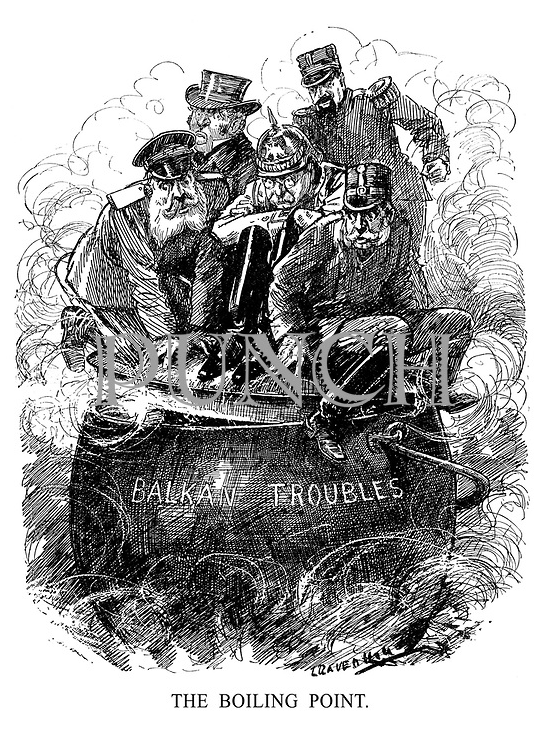
ともかく、次に「Punch」誌について。1841年創刊の風刺系の週刊誌だ。
この雑誌に掲載された、WWⅠ直前のバルカン半島を風刺したイラストは教科書とかで見た人も多いんじゃないか?
Even the daily papers woke up* to the disturbances* at last, and popular notes appeared (here, there, and everywhere) 〈concerning the volcanoes upon Mars〉. The seriocomic* periodical* Punch, 《I remember》, made a happy* use of it (in the political cartoon*). And, 《all unsuspected*》, those missiles 〔the Martians had fired at us〕 drew earthward, rushing now (at a pace of many miles (a second)) through the empty gulf* of space, (hour by hour and day by day, nearer and nearer). It seems (to me) (now) almost incredibly wonderful [that, 《with that swift fate hanging over* us》, men could go about* their petty* concerns 【as they did】. I remember [how jubilant* Markham was (at securing* a new photograph of the planet for the illustrated* paper 〔she edited in those days〕). People 〈in these latter* times〉 scarcely realise the abundance* and enterprise* of our nineteenth-century papers. For my own part*, I was much occupied* in learning to ride the bicycle, and busy upon a series of papers 〈discussing the probable developments of moral ideas 【as civilisation* progressed】〉.
1. オレンジの「concerning」の意味は「~について」(同義語はabout, as regards, in[with] respect to, as to[for], with[in] relation to, with[in] regard to, regarding, in this regarding, in terms of, とかいっぱいあります )。
concerningが修飾してる語は「notes」ですね。
2. 紫の「a」の意味は「~につき」(≒per)。
3. 青の「it」が指すものは同文ちょっと後ろのthat以下。
4. 緑の「with」は付帯状況。fateがO, hangingがC。「OがCしてるというのに」という風に訳してあげるとここはいいかもしれない。
5. 灰色の「as」の意味は「~ように」。「as A do」(Aがやるように)はもはや成句。
6. ピンクの「at」が修飾してる語はjubilant。意味から推測しましょう。
7. 黄色の「and」が繋いでるものはoccupiedとbusy。形容詞を繋いでますね。
8. 赤の「as」の意味は「~につれて」。
全訳
日刊紙もとうとうその騒動に気づき、火星の火山に関する記事があらゆるところに現れて人気を博した。まじめでいて滑稽な雑誌の「パンチ」誌が、政治漫画にこれをうまく利用したのを覚えている。ただまったく予想外のことに、火星人が地球に放った宇宙船は、宇宙の空っぽの深淵を通って、一刻一刻、一日一日、ものすごい速さで地球へ近づいていた。すぐに運命の時がくるというのにいつものように些細な関心事をめぐって人々が動き回れたのは、いまとなってはほとんど信じられないほど驚くべきことに思える。マーカムが、当時編集していた写真付き新聞のために火星の新しい写真を手に入れ、たいそう歓喜に満ちていたことを思い出す。最近の人は、19世紀の新聞が内容に富み積極的だったことをほとんど理解していない。わたし自身としては、自転車に乗れるようになるのにひどく夢中で、文明が進歩するにつれて倫理的な考えがどのように発展しうるかということを述べるシリーズ物の論文にとりくむのに忙しかった。
結局まほちゃんの仕事って何ていえばいいのかしら。
社会学者とでも言おうかな。
哲学者とかそういうのって、一歩間違えれば中二病じゃない。
第1章 第19段落
やっと小説本編でわたしが出るわよ。小説中では語り手(CV.まほちゃん)の奥さん役。
よろしくね♡
…なんかいろいろ狂ってきたな。
問題編
One night (the first missile then could scarcely have been 10,000,000 miles away) I went for a walk with my wife. It was starlight and I explained the Signs of the Zodiac* to her, and pointed out Mars, a bright dot of light creeping zenithward*, towards which so many telescopes were pointed. It was a warm night. Coming home, a party of excursionists* from Chertsey or Isleworth passed us singing and playing music. There were lights in the upper* windows of the houses as the people went to bed. From the railway station in the distance* came the sound of shunting* trains, ringing and rumbling*, softened* almost into melody by the distance. My wife pointed out to me the brightness of the red, green, and yellow signal lights hanging in a framework* against* the sky. It seemed so safe and tranquil*.
the Signs of the Zodiac黄道十二宮 zenithward天頂の方へ excursionist周遊旅行者 upper上の in the distance遠い shunt引き込み線に入れる rumblingガタガタ音を立てて進む softenやわらげる framework骨組み against背景に tranquil穏やかな
1. オレンジの「party」の意味は?
2. 黄色アンダーラインの部分の主語と動詞は?
3. 緑の「softened」句が修飾してる言葉は?
4. 紫の「into」の意味は?
解答編
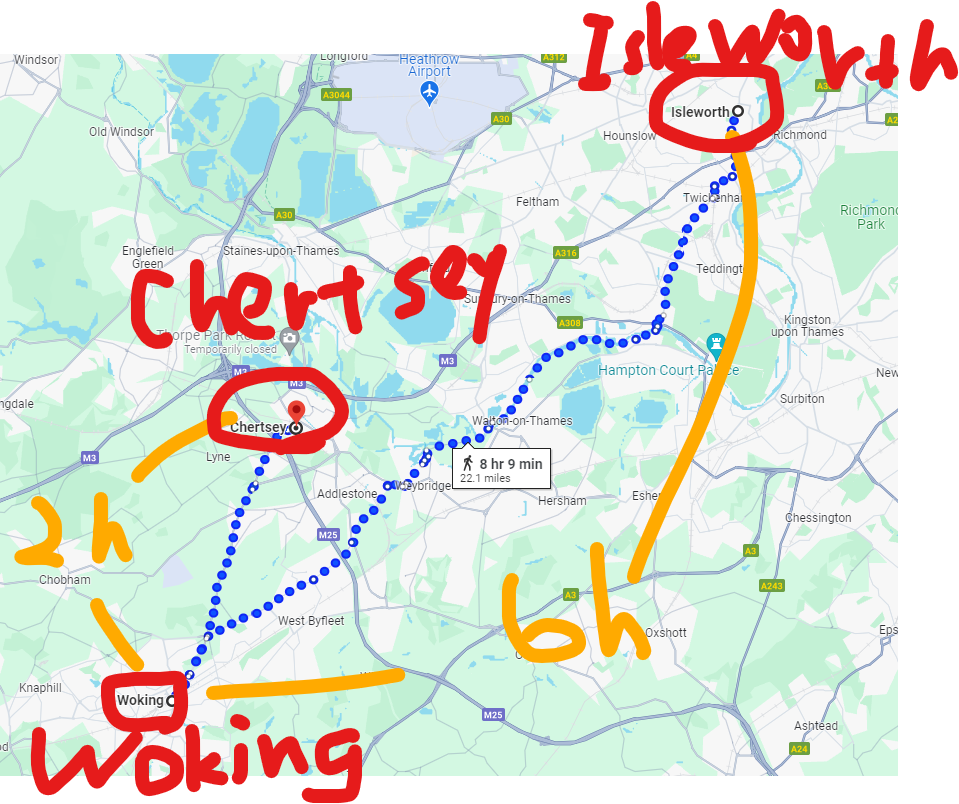
わたしたちの家(Woking)から、徒歩でChertseyは2時間、Isleworthは6時間くらいだね。
「a party of excursionists」たちは数日がかりの旅行なのかも。
<One night (the first missile then could scarcely have been 10,000,000 miles away)> I went for a walk with my wife. It was starlight and I explained the Signs of the Zodiac* to her, and pointed out Mars, 《a bright dot of light 〈creeping zenithward*〉》, 〔towards which so many telescopes were pointed〕. It was a warm night. <Coming home>, a party of excursionists* 〈from Chertsey or Isleworth〉 passed us <singing and playing music>. There were lights in the upper* windows of the houses 【as the people went to bed】. <From the railway station in the distance*> came the sound of shunting* trains, 《ringing and rumbling*》, softened* almost into melody by the distance. My wife pointed out to me the brightness of the red, green, and yellow signal lights 〈hanging <in a framework*>〉 against* the sky. It seemed so safe and tranquil*.
1. オレンジの「party」の意味は「一行」。ほかに「政党」などの意味も覚えておきましょう。
2. 黄色アンダーラインの部分の主語と動詞は上の通り。もう倒置は飽きました? 今回はMVSの第1文型倒置ですね。
3. 緑の「softened」句が修飾してる言葉は「the sound」ですね。意外と遠い。
4. 紫の「into」は「~に変わった」です。変化のinto。changeやturnと一緒に使われることも多いですね。
ある夜(最初のミサイルはそのとき地球まで1000万マイルを切っていたかもしれない)、わたしは妻と散歩に出かけた。星明りの夜だった。わたしは妻に黄道十二宮を説明し、火星を指さした。火星は天頂の方へ進んでいく光輝く点で、とても多くの望遠鏡が向けられていた。暖かい夜だった。家に帰る途中、チャーツィーやアイルワースからの周遊旅行者の一行が歌を口ずさみながらわたしたちとすれ違っていった。人々が就寝するときになり、家の上の窓には光が灯っていた。遠方の駅から列車が引き込み線に入るときのガタガタ響く音が聞こえてきたが、距離が離れていたので、和らいでほとんどメロディーとなっていた。夜空を背景に骨組みの中にぶらさがってる赤・緑・黄色の信号光が輝いているのを妻が指さした。とても安全で、穏やかなように思えた。
「the Signs of the Zodiac:黄道十二宮」の「ゾディアック」って響きがかっこよすぎる。
わかる。バディファイトにもスタードラゴンワールドでそういうやついたな。
やっぱりスタードラゴンワールドが一番好きだったぜ。タスク様めっちゃかっこよかったし。
もうバディファイトは生産終了したのよ…。
時の流れは無情だ…。
なんだか哀しい雰囲気になったが、これで第1章もおわり。
第2章はここから1年が経ち、宇宙船が着陸するところから始まるぜ。


コメント