<流れ>
①かっこを振っていない英文
②単語注(①でアスタリスクを振ったところ)
③設問
④かっこを振った英文
⑤設問の答え
⑥訳
XII. WHAT I SAW OF THE DESTRUCTION OF WEYBRIDGE AND SHEPPERTON.
第12章 ウェイブリッジとシェパートンでの死闘です!

第12章のスタートね。
それにしてもタイトルながすぎじゃないかしら。

中身も長いぜ。
第12章 第1・2段落 (第175話)
これまでの/これからの『宇宙戦争』

ここは1908年のイギリス帝国だ。
第11章終了までに、ロンドンのベッドタウンにあたるウォーキングに3隻の宇宙船が着陸した。そして戦闘ロボに搭乗した火星人が付近のイギリス陸軍を蹴散らし、ウォーキングの街を壊滅させたってところだな。

ゴジラが鎌倉の海岸から現れて、横浜を灰にしたっていうイメージでOKですよ。
日本で例えるとそんな感じだ。
そして第12章からは、ゴジラが横浜から首都東京に向かうように、火星軍がウォーキングから首都ロンドンへ向け進撃を開始する。
ということは、いよいよ自衛隊VSゴジラのメイン戦闘シーンに相当する場面になるってことですね。
その通り。
ウォーキング周辺での戦闘は「小手調べ」だからな。いよいよ、人類最強のイギリス軍と、太陽系最強の火星軍の本格決戦だ。シン・ゴジラでの自衛隊VSゴジラのシーンにも劣らない「リアルな」戦闘シーンが展開されるぞ。
もちろん、その中でのヒューマンドラマを味わえるのもゴジラに通じる魅力だ。
生存キャラ紹介
そうしたドラマを展開していくわたしたち主要登場人物を紹介しよう。
まずわたしが小説の語り手にして主人公。社会学者で、雑誌等に寄稿して生計を立てている中産階級のウォーキング住民だ。そういう仕事上、小説中では周りの人々を少し醒めた目で見ている部分もあるが許してくれ。あと会話編では中二病とか言われているが…。
そんなことで担当国家はドイツ(←黒森峰)らしい。
第10章までは火星人のロボットとすれ違い死にそうになったり、死体や家の残骸を見たりとかなり精神的につらい面もあった。だが、第11章でウォーキングにあるわたしの自宅に入り、兵士と話をしたことで、少しずつ生きる希望が湧いてきたかもしれない。

ほいっ。続いてGuPダージリンよ。小説では語り手の奥さん役となってるわ。戦争など夢物語だと思っている典型的なイギリス国民という役回りね。ということで担当国家はイギリス(←聖グロリアーナ)よ。
ここ数章はずっとレザーヘッドにある親戚の家に避難していて、なんとか生き延びているわ。

…こんにちは、そして念のため、おはようとこんばんは。
どうもGuPミカだ。イギリス陸軍の王立騎馬砲兵隊に所属する馬車操縦手。
ホーセル共有地の戦いから這う這うの体で逃げ延び、第11章で語り手(まほちゃん)と出会ったばかり。いまは語り手の自宅にいるところなのだよ。
担当国家はフィンランド(←継続)ということにしたのだが、この役回りになった理由は下巻に突入したらわかるかもしれないな。
戦没キャラ紹介
なんだよ「戦没キャラ紹介」って。
…オギルヴィだ。イングランド一帯ではそれなりに名の知られた天文学者だと思う。あと実は火星人の宇宙船の第一発見者なんだぜ。ただ、ホーセル共有地で交渉の使者として立ったところ、レーザー光線を受けて秒殺されてしまったけどな。
GuPアンチョビということで担当国家はイタリア(←アンツィオ)だ。ちょうど火星の研究で有名な天文学者のスキャパレリ(第7話)って人がイタリアの人だからこの役にしてみたぜ。

うぃっす!GuPケイ、ヘンダーソンです!
ロンドンの新聞社に記事を送るジャーナリストとして働いてたんだけど、オギルヴィとかと一緒にレーザー光線でキルされたんだよねっ。
担当国家はアメリカ(←サンダース)だよ。ジャーナリストといえばアメリカかなぁ、くらいのノリなんだけどね。

にゃ。ステントにゃ。GuPマリーにゃ。語尾が崩壊してるのは許してほしいにゃ。
王室天文官(the Astronomer Royal)っていうイギリス天文学会で一番偉い役職に就いてたにゃ。グリニッジ天文台の所長にゃ。でも、オギルヴィとヘンダーソンと同じタイミングでレーザー光線でキルされちゃったにゃ。
ちなみに担当国家はフランス(←BC)にゃ。役職名に「Royal」ってついてるから、王妃(マリー)に近いにゃって思ってフランスにしてみたにゃ。
そして、GuP西絹代です。わたしは「Spotted Dog」っていうパブの主人の役です。でも火星人のロボから逃げてる途中に、爆風や混乱に巻き込まれて死んでしまったんですよね。詳しい死因は明らかになっていませんが…。
担当国家は日本(←知波単)です。突撃をした覚えはないですし、なぜこの役なのかはフィーリングとしか言いようがないんですけど。
最後に、ちゅーとはんぱな立場のGuP原作では愛里寿、宇宙戦争原作ではDenningです。Denningさんが隕石学会の「authority」(権威)として出てきたので、配役がここら辺に落ち着いた形です。
もちろん担当国家はないですし(強いて言うならイギリス?)、宇宙戦争原作でDenningさんは今後出てこないので亡霊みたいな存在になっていますが、ときどき会話編には顔を出すのでよろしく。
問題編
As the dawn grew brighter we withdrew* from the window from which we had watched the Martians, and went very quietly downstairs.
The artilleryman agreed with me that the house was no place to stay. He proposed, he said, to make his way Londonward, and thence* rejoin his battery*—No. 12, of the Horse Artillery. My plan was to return at once to Leatherhead; and so greatly had the strength of the Martians impressed me that I had determined to take my wife to Newhaven, and go with her out of the country forthwith*. For I already perceived clearly that the country about London must inevitably* be the scene of a disastrous* struggle before such creatures as these could be destroyed.
withdraw引く thenceそこから battery(砲兵)中隊 inevitably避けられず disastrous破滅的な
1. オレンジのandが繋いでるものは?
2. 青アンダーラインで誤っている部分を訂正すると?
3. 紫のandが繋いでるものは?
4. 赤アンダーラインの文型表示は?
5. 緑のandが繋いでるものは?
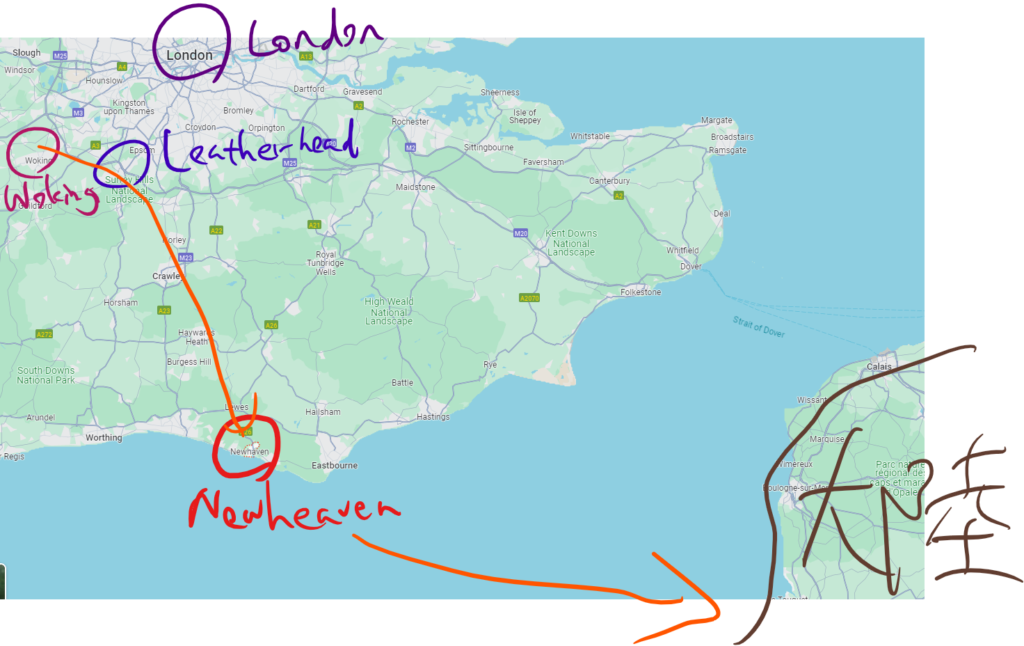
こちらが今回のMapだ。
わたしはこのとき、妻を連れて港町のNewheavenに行き、そこからヨーロッパ大陸の方に逃げ出そうとしてたんだ。
ほかに港町もあるのになんでNewheavenなんでしょう?
確かにわかんないな。
誰かわかったら教えてくれ。
ミカちゃんの所属部隊、ちゃんと細かく設定されてるのね。「her batteryーNo.12, of the Horse Artillery」と書いているわ。
「battery」は砲兵での「中隊」だったわね(中隊が行動単位)。
さて「No.12」というのが今回の気になるところだけど…ミカちゃん任せてもいいかしら?

はい、任された。
やっぱりこういうときは、イギリス陸軍軍事記録を見るのがいいのだよ。
https://digital.nls.uk/british-military-lists/archive/100739612
1ファイルがめちゃくちゃ重い(140MB)から、ダウンロードするのをお勧めするにゃ。
とりあえず、この物語が出版された1898年の記録と、物語中の1908年の記録を調べてみようか。Royal Horse Artilleryの編制に関係しそうなのは、1898年版でP157、1908年版でP245に載っているな(ページはPDFのページだ)。
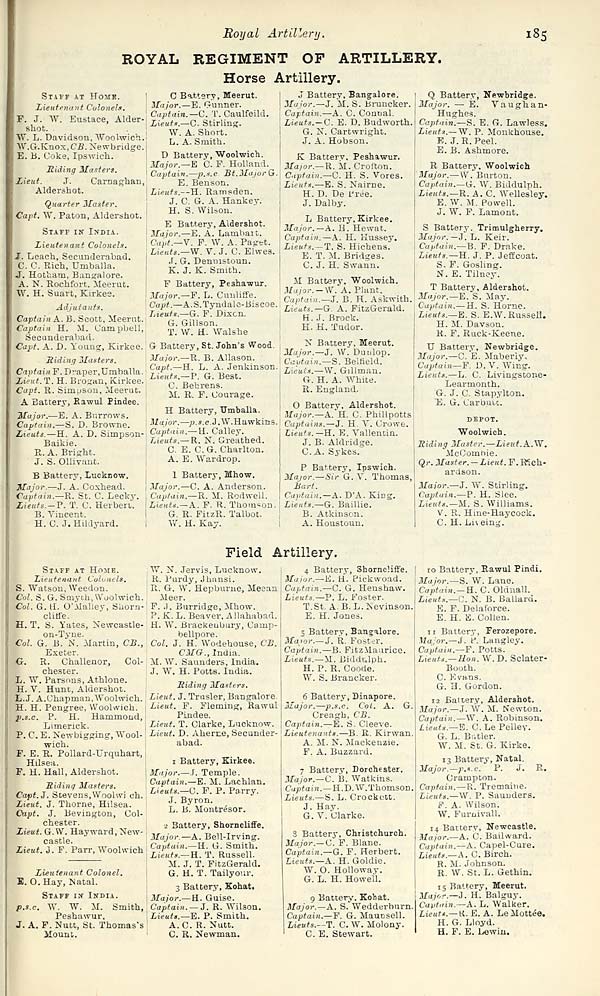
たしかに本拠地として「Aldershot」の文字がところどころ見えるね!
(Aldershotからの軍がホーセル共有地に展開)
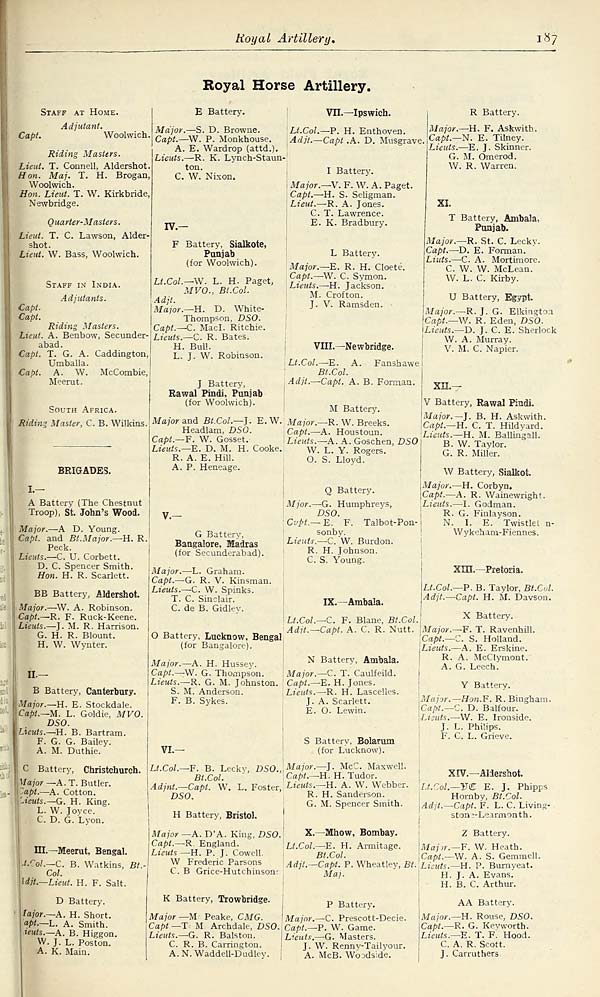
(上の方が1898、下の方が1908年の記録だ)
こちらの記録から見てわかる通り、「battery」(中隊)は、「No.12」といった番号ではなく、A, B, C…といったアルファベットで呼ばれていることがわかるかと思うぞ(いちおう、15年前の1883年までさかのぼって見たがすべてアルファベットだった)。
ちなみに、1908年の記録でローマ数字「XIV – Aldershot」などと書いてあるけど、これは「brigade」(大隊)に振られる番号ね。
ややこしいことなんだけど、1901年にRHAに組織改革があったのよね。それまではRHAの下に直接中隊(battery)があったんだけど、1901年以後はRHAの下に大隊(brigade)ができて、その下に中隊(battery)がある、という仕組みになったわ。そのせいで、ちょっと組織表が変わってるわけ。
ま、そういったややこしいことはこのさい置いておこうか。老後の楽しみに取っておけばいいさ。
いずれにせよ、小説中に書かれている「No.12 battery」というのは厳密には正しくないってことがわかってればOKだ。
解答編
<英文解釈記号ルール>
〔〕→関係詞句・節
【】→接続詞句・節
《》→挿入句・節
[ ] →名詞句・節
()→副詞句・節
〈〉→形容詞句・節
【As the dawn grew brighter】 we withdrew* from the window 〔from which we had watched the Martians〕, and went very quietly downstairs.
The artilleryman agreed (with me) [that the house was no place to stay in]. He proposed, 《he said》, to make his way Londonward, and (thence*) rejoin his battery*—No. 12, of the Horse Artillery. My plan was to return (at once) to Leatherhead; and so greatly had the strength of the Martians impressed me that I had determined to take my wife to Newhaven, and go (with her) (out of the country forthwith*). For I already perceived (clearly) [that the country about London must inevitably* be the scene of a disastrous* struggle 【before such creatures as these could be destroyed】].
1. オレンジのandが繋いでるものは、withdrewとwent。
2. 青アンダーラインでは、最後のstayのあとにinが足りません。「to stay in the house」という風に被修飾名詞に繋がらなければいけないので、inが必要です。
3. 紫のandが繋いでるものは、makeとrejoin。rejoinが原形(または現在形)ですからね。
4. 赤アンダーラインの文型表示は、the strengthがS、had impressed がV、meがO。so ~that構文で倒置が起こるときは「So~be S that~」という風にbe動詞がつくのがよく見る形ですが、今回のように「So~一般動詞疑問文」の形でも大丈夫ですよ。
5. 緑のandが繋いでるものは、takeとgo。
全訳
太陽が徐々に昇ってきたので、わたしたちは火星人を眺めていた窓から下がり、とても静かに一階に行った。この家にはもういられないとわたしが言ったら、砲兵もうなずいてくれた。彼はロンドンの方になんとかして進み、そこから自分の中隊ー第12砲兵中隊ーと合流するつもりだと言った。わたしの計画はというと、レザーヘッドにすぐ戻ることだった。火星人がいかに強大か甚だしく印象に残っていたので、ニューヘブンに妻を連れて行って、すぐ一緒に国外に出ようと思っていた。というのも、こうした生き物を滅ぼすにあたってロンドン一帯で破局的な戦闘が起こるのは避けられないのだ、とわたしは既にはっきり悟っていたからだ。
悩むのは最終文「the country must be the scene of a disastrous* struggle before such creatures could be destroyed」(一部略)のところだな。
beforeを普通に「~の前に」と訳すと、「そういう生き物が破壊される前に、その地域は悲惨な闘争の光景になるに違いない」となって、悪いわけではないがしっくりこない気もする。
ここはbeforeがwhen/ifと似た感じで「~にあたって」「~の際には」として訳してあげるといいかもな。
第12章 第3段落 (第176話)
問題編
Between us and Leatherhead, however, lay the third cylinder, with its guarding* giants. Had (been, taken, think, should, alone, have, I, I, I) my chance* and struck* across country. But the artilleryman dissuaded* me: “It’s no kindness to the right sort of wife,” she said, “to make her a widow*”; and in the end I agreed to go with him, under cover of the woods, northward as far as Street Cobham before I parted with him. Thence* I would make a big detour* by Epsom to reach Leatherhead.
guard守る take chance危険を冒す strike進む・行く dissuade(↔persuade)思いとどまらせる widow未亡人 detour回り道・迂回 thenceそこから
1. 青アンダーラインの単語を並び替えると?ただし途中にカンマが一つ入るよ。
2. オレンジのandが繋いでるものは?
3. 赤のitが指しているものは?
4. 紫のbyの意味は?
地図はこちらです。
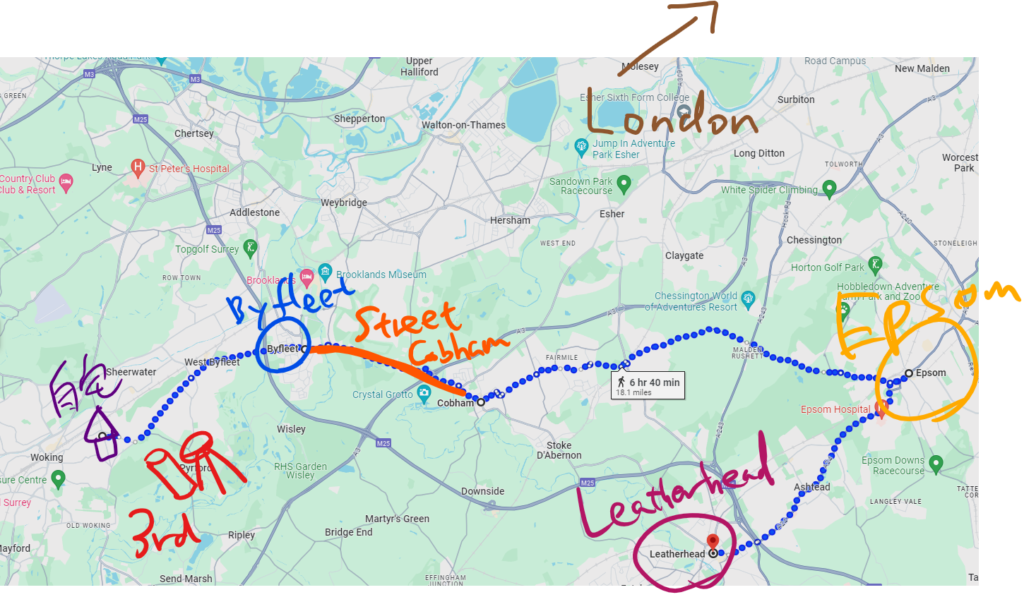
ミカちゃんとはByfleetあたりで別れて、迂回してLeatherheadに向かう予定だったんだ。
ま、あくまでこれは「予定」だからな。
予定よりもうちょっと長く私たちは一緒に行動することになるんだ。
解答編
<英文解釈記号ルール>
〔〕→関係詞句・節
【】→接続詞句・節
《》→挿入句・節
[ ] →名詞句・節
()→副詞句・節
〈〉→形容詞句・節
(Between us and Leatherhead), 《however》, lay the third cylinder, (with its guarding* giants). 【Had I been alone】, 《I think》 I should have taken my chance* and struck* across country. But the artilleryman dissuaded* me: “It’s no kindness (to the right sort of wife),” she said, “[to make her a widow*]”; and (in the end) I agreed to go with him, 《under cover of the woods》, northward as far as Street Cobham 【before I parted with him】. Thence* I would make a big detour* by Epsom (to reach Leatherhead).
1. 青アンダーラインの部分は仮定法過去完了のif省略倒置です。「I think」という挿入っぽいのが入るのが珍しいですね。
2. オレンジのandが繋いでるものは、takenとstruck。
3. 赤のitが指しているものは、to make her a widow。itーtoの形式主語。
4. 紫のbyの意味は「~を経由して」。detour(回り道)と相性のいい前置詞ですね。
全訳
だが、レザーヘッドにまっすぐ向かおうとすれば、3番目の円筒宇宙船とそれを守る巨人と出くわすことになる。もしわたしが一人だったら、きっとその危険を冒して進んでいっただろう。だが、彼はこう言ってわたしを思いとどまらせてくれた。「そんな申し分のない奥さんを未亡人にするなんてひどいじゃないか」って。とうとうわたしは折れて、林の中に隠れながらストリート・コブハムまでは彼と一緒に北進し、それから別れることに決めた。そこからエプソンを経由する迂回路をとり、レザーヘッドに向かうことにした。
わたしが褒められてるのは嬉しいんだけど、わたしについていったいどんな話をしたのかしら。
第12章 第4段落 (第177話)
問題編
I should have started at once, but my companion* had been in active service* and he knew better than that. He made me ransack* the house for a flask*, which he filled with whisky; and we lined* every available pocket with packets of biscuits* and slices of meat. Then we crept out of the house, and ran as quickly as we could down the ill-made road by which I had come overnight. The houses seemed deserted*. In the road lay a group of three charred* bodies close together, struck dead by the Heat-Ray; and here and there were things that people had dropped—a clock, a slipper*, a silver spoon, and the like poor* valuables. At the corner turning up towards the post office a little cart*, filled with boxes and furniture, and horseless, heeled over* on a broken wheel. A cash box had been hastily* smashed open and thrown under the debris*.
companion連れ active service現役 ransack探し回る・あさる flaskフラスク・ウィスキーボトル line裏打ちする biscuitビスケット deserted誰もいない・見捨てられた char黒焦げにする slipperスリッパ poor低品質の cart二輪馬車 heel over大きく傾く・横転する hastily急いで debris残骸
1. 青アンダーラインの訳は?
2. オレンジのandが繋いでるものは?
3. 赤アンダーラインの文型表示は?
4. 赤のand the likeの意味は?
5. 紫のandが繋いでるものは?
これが「flask」。酒を入れる小さな容器だね!
欧米の戦争映画とかで中年兵士が持っているイメージがあるけどみんなはどんなイメージかな?

わたしは哀傷を誘うシーンに出てくるイメージだな。
敵に追い詰められて逃げ込んだ家の中で、最後の戦闘に打って出る前、フラスクに入ったウィスキーをグッと飲み干し、戦友に言うんだ。「次に会うときは地獄だな」って。
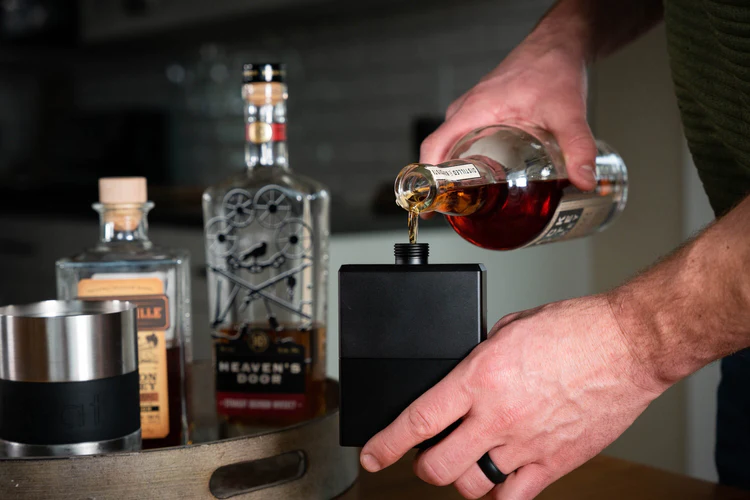
でも、こんなに口が小さいと、中身を補充するときに注ぎにくそうですね。
これが風流ってものよ。
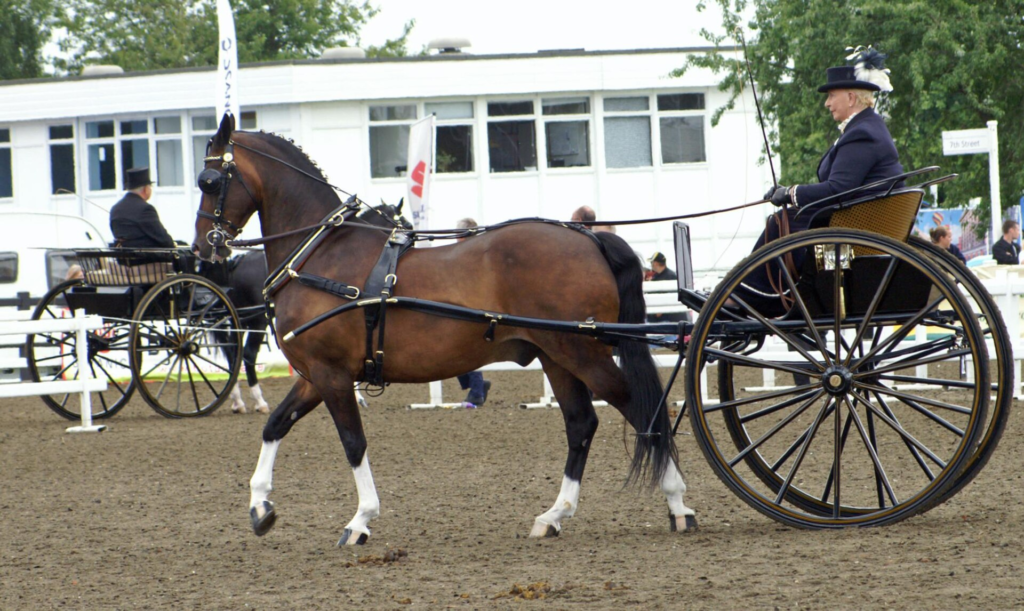
つづいて、馬車シリーズ「cart」についてにゃ。
「dog cart」(パブの主人;絹代さんの馬車)が出てきたときにもやったかもだけど、cartは二輪馬車にゃ。
解答編
<英文解釈記号ルール>
〔〕→関係詞句・節
【】→接続詞句・節
《》→挿入句・節
[ ] →名詞句・節
()→副詞句・節
〈〉→形容詞句・節
I should have started (at once), but my companion* had been (in active service*) and he knew better than that. He made me ransack* the house for a flask*, 〔which he filled with whisky〕; and we lined* every available pocket with packets of biscuits* and slices of meat. Then we crept out of the house, and ran as quickly as we could (down the ill-made road 〔by which I had come overnight〕). The houses seemed deserted*. (In the road) lay a group of three charred* bodies (close together), (struck dead (by the Heat-Ray)); and here and there were things 〔that people had dropped〕—a clock, a slipper*, a silver spoon, and the like poor* valuables. (At the corner 〈turning up towards the post office〉) a little cart*, 《filled with boxes and furniture》, 《and horseless》, heeled over* (on a broken wheel). A cash box had been (hastily*) smashed open and thrown (under the debris*).
1. 青アンダーラインは「know better than to V~しない分別がある・賢いことに~しない」の構文ですね。
2. オレンジのandが繋いでるものは、creptとran。
3. 赤アンダーラインは、in the road lay a groupのMVS第一文型倒置。struck deadはCとしてもいいし、分詞構文と見てもいいと思います。
4. 赤のand the likeの意味は「~など」。
5. 紫のandが繋いでるものは、smashedとthrown。
全訳
そのときただちに出発するべきだったが、同行する現役兵士の彼は、急がない方がいいとわかっていた。彼はこの家の中にあるフラスクを探すようにわたしに言って、そしてわたしが見つけてくるとウィスキーを注いだ。そして、わたしたちは可能な限り全ポケットにビスケットの袋や肉の切れ端を詰め込んだ。それからわたしたちは慎重に家から出て、昨夜通ってきた悪路を全速力で下った。どの家にも誰もいないようだった。道中、黒焦げの死体が3体隣り合っていた。レーザー光線で致命傷を負ったのだ。そして避難民が落としていった物があちこちに散らばっていた。時計、スリッパ、銀スプーンなど、低品質な貴重品だ。郵便局に出る角では、箱や家具がいっぱい積まれた小さな二輪馬車が、車輪の破損により横転していた。馬は逃げていた。乗っていた人は現金が入っていた箱を慌てて壊し開け、がれきの下に放り投げていったようだった。
最終文「A cash box had been (hastily) smashed open and thrown (under the debris).」のところは、箱は捨てて中に入った現金だけ持って逃げたってところだな。
第12章 第5段落 (第178話)
問題編
Except the lodge* at the Orphanage*, which was still on fire, none of the houses had suffered very greatly here. The Heat-Ray had shaved* the chimney* tops and passed. Yet, save ourselves, there did not seem to be a living soul on Maybury Hill. The majority of the inhabitants* had escaped, I suppose, by way of the Old Woking road—the road I had taken when I drove to Leatherhead—or they had hidden.
lodge小屋 Orphanage孤児院 shave削ぐ chimney煙突 inhabitant住民
1. 赤のandが繋いでるものは?
2. オレンジのsaveの意味は?
3. 紫のsoulの意味は?
4. 青のby way ofの意味は?
5. 緑のtheyが指しているものは?
Orphanageの説明は第138話にあるわね。実際には「St. Peter’s Home」という福祉施設だったのよ。
LodgeはちゃんとOS古地図にも載ってるわ。
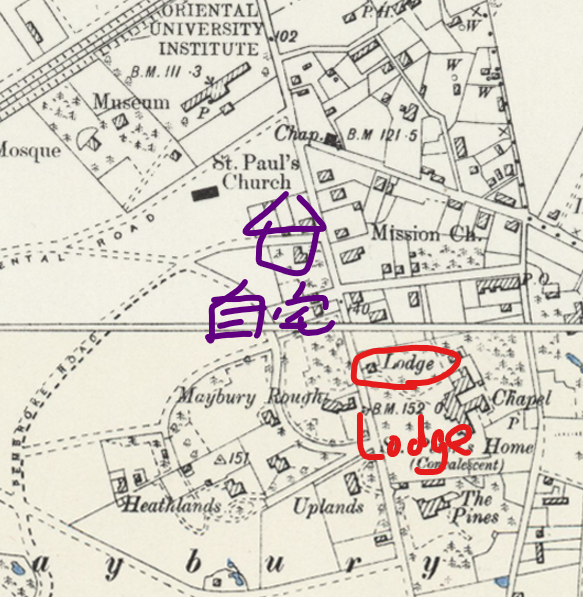
つづいてそれより少し広範囲の地図ですよ。
「Old Woking Road」はその名の通りOld Wokingに至る道だから当然行きは通ってるんだけど、実は帰り道にも通ってるんですよね。
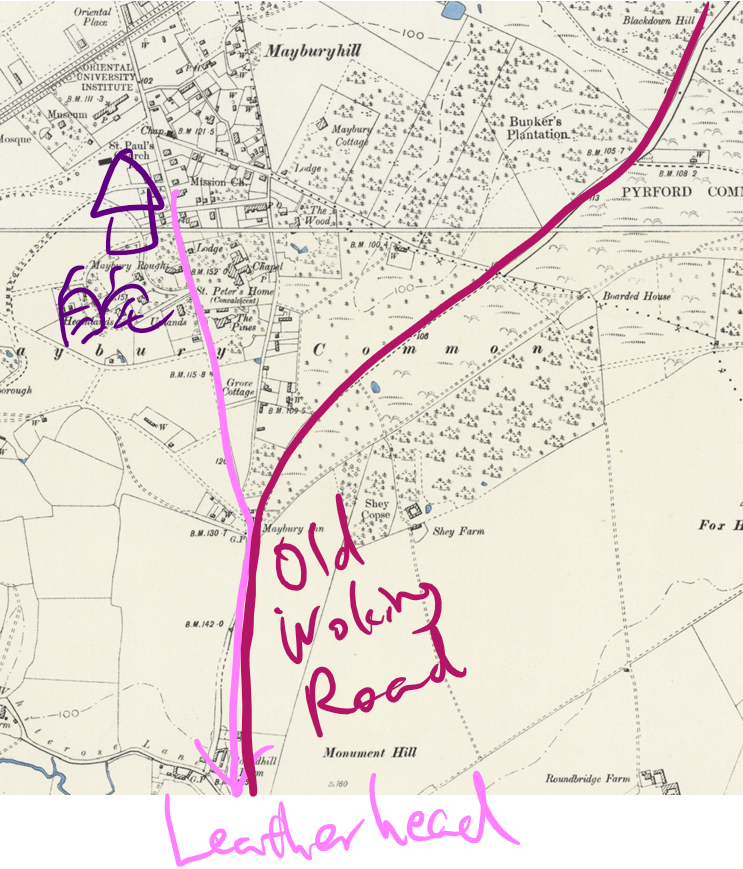
ま、ちょっとだけだけどな。
解答編
<英文解釈記号ルール>
〔〕→関係詞句・節
【】→接続詞句・節
《》→挿入句・節
[ ] →名詞句・節
()→副詞句・節
〈〉→形容詞句・節
(Except the lodge* at the Orphanage, 〔which was still on fire〕), none of the houses had suffered (very greatly) (here). The Heat-Ray had shaved* the chimney* tops and passed. Yet, (save ourselves), there did not seem to be a living soul (on Maybury Hill). The majority of the inhabitants had escaped, 《I suppose》, by way of the Old Woking road—the road 〔I had taken 【when I drove (to Leatherhead)】〕—or they had hidden.
1. 赤のandが繋いでるものは、shavedとpassed。hadに繋がってます。
2. オレンジのsaveの意味は「~を除いて」。exceptと書き換えられます。
3. 紫のsoulの意味は、「人」。
4. 青のby way ofの意味は「~を経由して」(≒via)
5. 緑のtheyが指しているものは、the majority of the inhabitants。
全訳
孤児院のロッジはまだ燃えていたが、ひどく被害を受けた建物はここら辺ではそれくらいだった。レーザー光線は煙突の上の方を貫通して断ち落としていた。ただ、わたしたちを除いては、メイベリー・ヒルに人っ子一人いないようだった。住民はほとんど逃げていたか、隠れていたんだと思う。逃げたとしたらオールド・ウォーキング・ロード経由だろう。わたしもその道を通ってレザーヘッドに馬車を走らせたのだ。
第12章 第6段落 (第179話)
問題編
We went down the lane, by the body of the man in black, sodden* now from the overnight hail*, and broke into the woods at the foot of the hill. We pushed through these towards the railway without meeting a soul. The woods across the line were but the scarred* and blackened ruins of woods; for the most part the trees had fallen, but a certain proportion* still stood, dismal* grey stems, with dark brown foliage* instead of green.
soddenびしょ濡れの hailあられ・ひょう scar傷跡を残す proportion割合 dismalもの寂しい・荒涼とした foliage葉
1. オレンジのandが繋いでるものは?
2. 赤のtheseが指しているものは?
3. 緑のthe lineが指しているものは?
4. 紫のbutの意味は?
レールウェイのそばにある「woods」(林)のロケーションはここだよ!
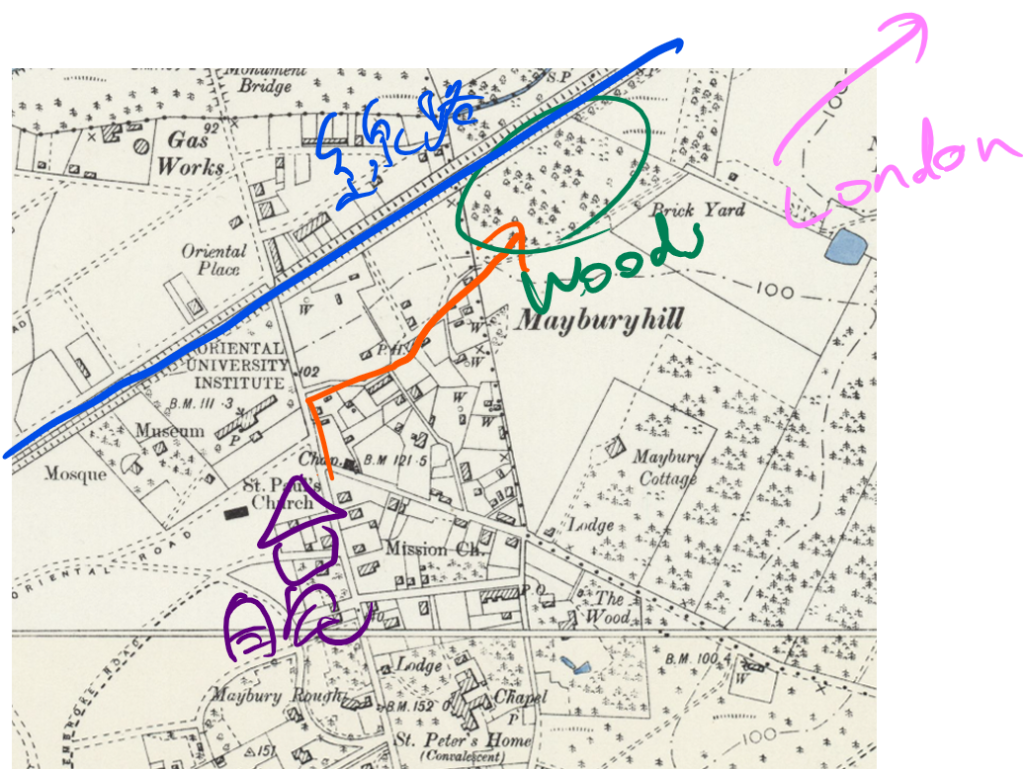
解答編
<英文解釈記号ルール>
〔〕→関係詞句・節
【】→接続詞句・節
《》→挿入句・節
[ ] →名詞句・節
()→副詞句・節
〈〉→形容詞句・節
We went down the lane, (by the body of the man in black, (sodden now from the overnight hail)), and broke into the woods (at the foot of the hill). We pushed through these (towards the railway) (without meeting a soul). The woods across the line were (but) the scarred and blackened ruins of woods; (for the most part) the trees had fallen, but a certain proportion still stood, (dismal grey stems), (with dark brown foliage instead of green).
1. オレンジのandが繋いでるものは、wentとbroke。
2. 赤のtheseが指しているものは、the woods。
3. 緑のthe lineが指しているものは、the railway。
4. 紫のbutの意味は「~だけ」。only, justと同じような意味ですね。ほかにもbutは「~を除いて」という意味もあります。
全訳
わたしたちは道を下っていった。途中で黒服を着た男の死体のそばを通り過ぎた。一晩中ひょうが降っていたので、その体はびっしょり濡れていた。そしてメイベリーヒルのふもとに着くと林の中に入り、線路を目指して進んで行った。誰にも会わなかった。線路沿いのその林は、傷跡が見られたり、黒焦げになったりした木の残骸ばかりだった。大部分の木は倒れていたが、ある程度はまだ無事だった。ただ、それらの木の幹は灰色で荒涼としており、緑だった葉は焦げ茶色になってしまっていた。
最後の「dismal* grey stems, with dark brown foliage* instead of green.」のところ、要するに炎上してたってことだろうな。
第12章 第7段落 (第180話)
問題編
On our side the fire had done no more than scorch* the nearer trees; it had failed to secure* its footing*. In one place the woodmen* had been at work on Saturday; trees, felled* and freshly trimmed*, lay in a clearing*, with heaps of sawdust* by the sawing-machine* and its engine.Hard by* was a temporary hut*, deserted. There was not a breath of wind this morning, and everything was strangely still. Even the birds were hushed*, and as we hurried along I and the artilleryman talked in whispers* and looked now and again over our shoulders. Once or twice we stopped to listen.
scorch焼け焦げ・葉を茶色にすること secure確保する footing足がかり woodman木こり fell木を切り倒す(規則活用動詞) trim枝葉を切り落とす clearing森の中の空き地 sawdustおがくず sawのこぎりで切る hard by近くに(≒closely, near) hut小屋 hush静かにする whisperささやき声
1. オレンジのno more thanの意味は?
2. 赤のitが指しているものは?
3. 青アンダーラインはどういうこと?
4. 赤アンダーラインの文型表示は?
5. 紫のandが繋いでるものは?
6. 茶色のnow and againの意味は?
今は日曜日だから、木こりの人が働いていた「Saturday」は昨日のことだな。
そして木こりが使ってる「sawing-machine」は木を切る機械だろう。
19世紀のsawing-machineはこんな感じだったそうだ。
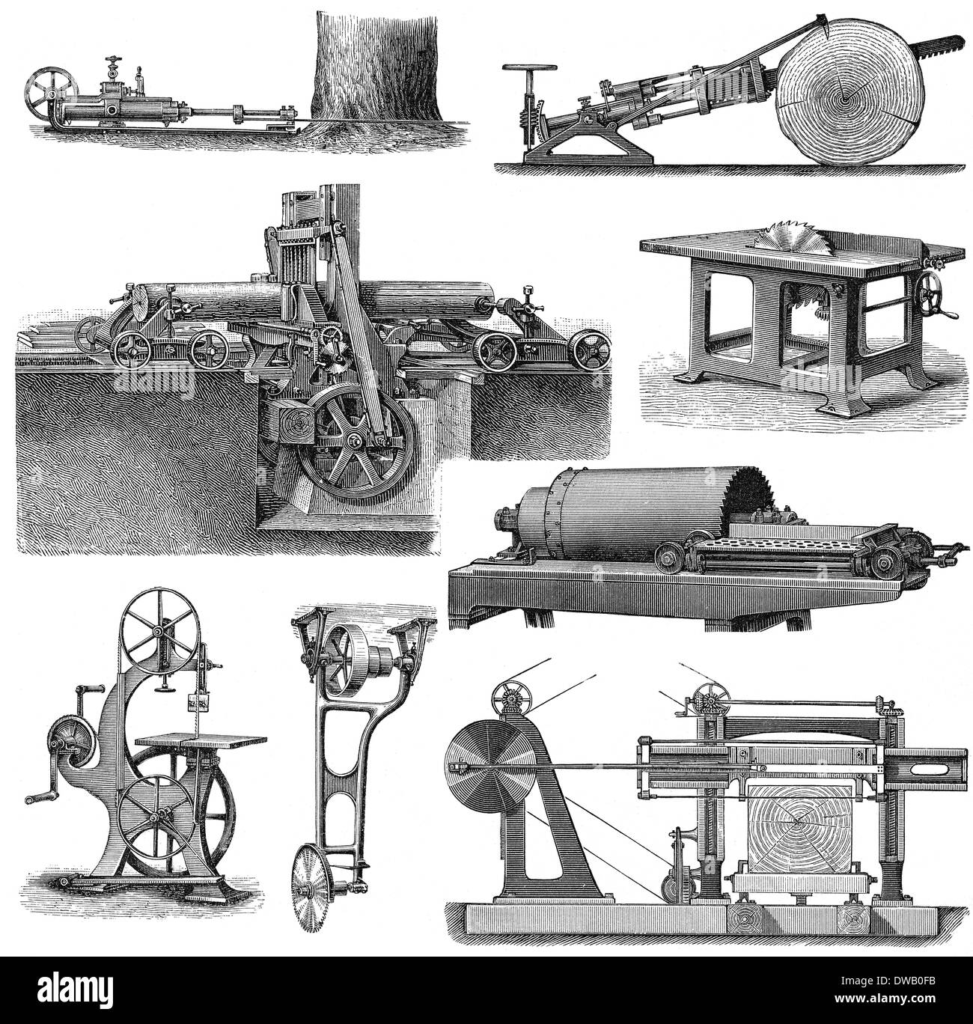
本文中に「engine」って書いてますが、蒸気で歯車を回しているんでしょうか。それならそこそこ大きな機械ですね!
ちなみに、適当に「sawing-machine」を21世紀の通販で調べたら、こんなのが出てきましたよ。2874ポンド(≒55万円)ですって。ひぇっ。

解答編
<英文解釈記号ルール>
〔〕→関係詞句・節
【】→接続詞句・節
《》→挿入句・節
[ ] →名詞句・節
()→副詞句・節
〈〉→形容詞句・節
(On our side) the fire had done no more than scorch* the nearer trees; it had failed to secure* its footing*. (In one place) the woodmen* had been (at work) (on Saturday); trees, 《felled* and freshly trimmed*》, lay in a clearing*, (with heaps of sawdust* by the sawing-machine* and its engine). (Hard by*) was a temporary hut*, (deserted). There was not a breath of wind (this morning), and everything was strangely still. Even the birds were hushed*, and 【as we hurried along】 I and the artilleryman talked (in whispers*) and looked (now and again) over our shoulders. (Once or twice) we stopped to listen.
1. オレンジのno more thanの意味は「せいぜい」。「only」と書き換えられますね。
2. 赤のitが指しているものは、the fire。
3. 青アンダーラインは「炎は足場を確保できなかった」が直訳。要するに下草とかがなくて、延焼しなかったってことですね。
4. 赤アンダーラインの文型表示は、wasがV、a temporary hutがS。
5. 紫のandが繋いでるものは、talkedとlooked。
6. 茶色のnow and againの意味は、「ときどき」(≒sometimes)
全訳
こちら側では、炎はせいぜい近くの木を焦がしたくらいだった。地面に燃えるものがなかったのだ。あるところでは、昨日土曜日に木こりが仕事に出ていたのだが、伐り倒され枝葉を落とされたばかりの木が森の中の空き地に並んでいて、断裁機とエンジンのそばにおがくずの山ができていた。そのすぐ近くに仮設小屋があったが人気はなかった。今朝は風はまったくなく、奇妙なことにあらゆるものが静かだった。鳥でさえも静まり返っていた。急いで走っている間、わたしとミッちゃんはささやき声で話し、ときどきお互いを肩越しに見たりした。一・二回立ち止まって周りの音を聴いた。
「looked over our shoulders」は熟語で「~を心配する」という意味があるんだが、ここは字義通り「肩越しに目を合わせた」くらいでいいと思うぜ。
第12章 第8段落 (第181話)
問題編
After a time we drew near the road, and as we did so we heard the clatter* of hoofs* and saw through the tree stems* three cavalry* soldiers riding slowly towards Woking. We hailed* them, and they halted* while we hurried towards them. It was a lieutenant* and a couple of privates* of the 8th Hussars*, with a stand like a theodolite*, which the artilleryman told me it was a heliograph.
clatterカタカタという音 hoofひづめ stem幹 cavalry騎兵 hail大声で呼ぶ halt止まる lieutenant中尉 privates兵卒 hussars騎兵隊 theodoliteセオドライト heliographヘリオグラフ
1. オレンジのandが繋いでるものは?
2. 青アンダーラインの部分で、一語不要な単語は?
「8th (The King’s Royal Irish) Hussars」は1693年から存在する歴史ある騎兵隊よ。
クリミア戦争・ボーア戦争・第一次/二次世界大戦・朝鮮戦争と、大規模戦争でたびたび活躍してきたわ。
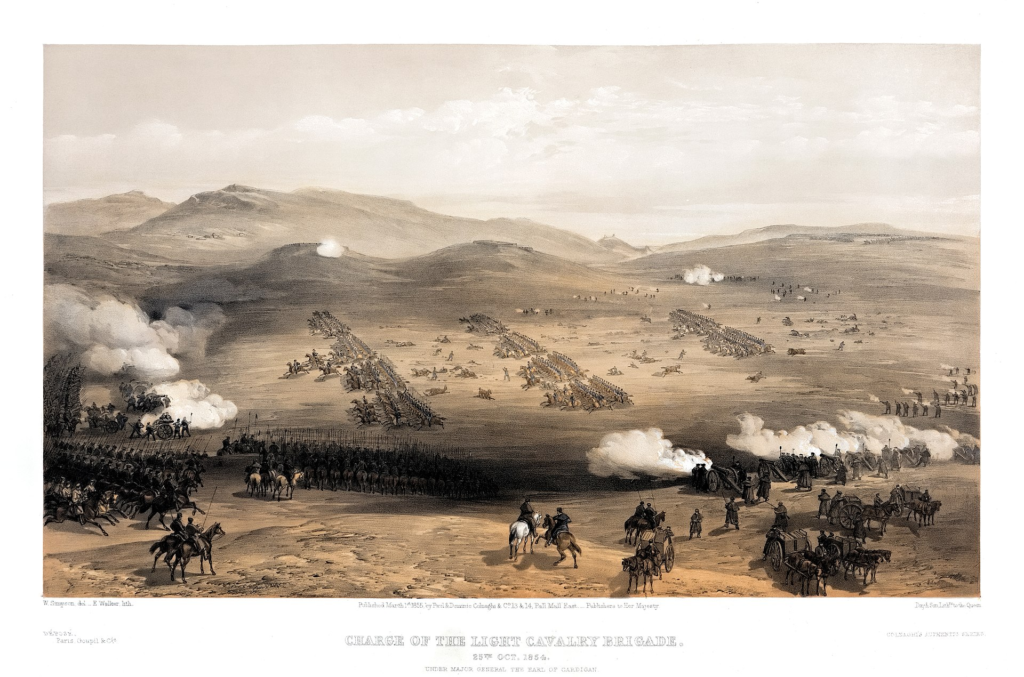
上写真は第108.5話でも登場したけど、クリミア戦争の大激戦「バラクラヴァの戦い」でのシーンにゃ。イギリス軍は激しい砲火にさらされながら、騎兵突撃(The charge of the Light Brigade)を敢行して戦果を挙げたのにゃ。
第108話あたりで出てきた「Cardigan Regiment」(11th Hussars)は上記イラストの突撃列2段目で、「8th Hussars」は突撃列3段目にいるにゃ。
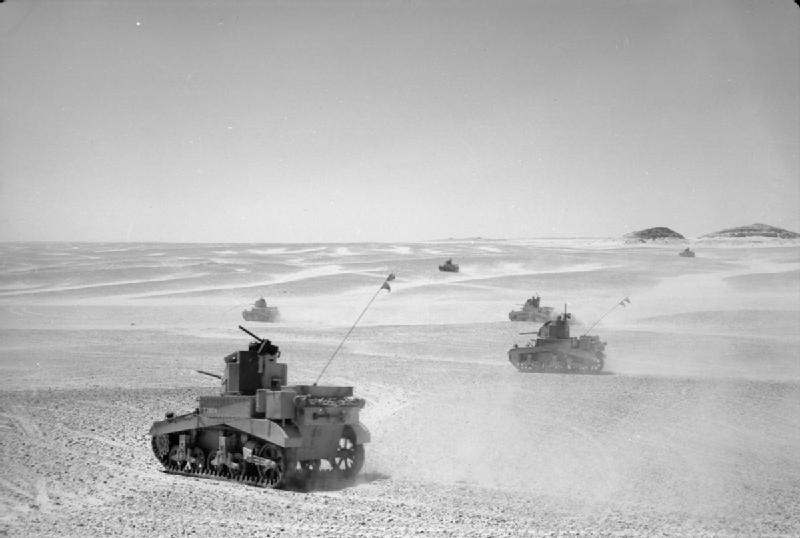
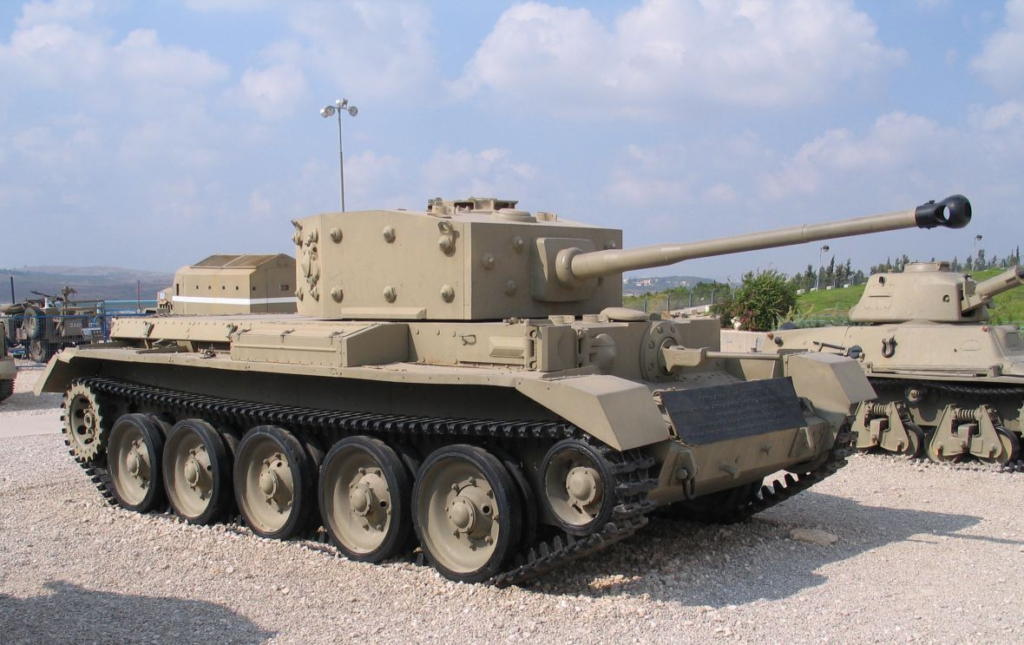
第1次世界大戦まで8th Hussarsは文字通り「騎兵」だったんだけど、機械化されて、第2次世界大戦では7th, 11th Hussarsとかと一緒に、第7装甲部隊(通称「Desert Rat」)になってるよ! 軽戦車や巡航戦車を使って、北アメリカ戦線・ヨーロッパ戦線で戦ったんだ!
左写真のスチュアート(アメリカの軽戦車)、右写真のクロムウェル(イギリスの巡航戦車)とかを使ったんだよ!
北アメリカ戦線…
うっ頭が。
あれはドゥーチェが悪いんじゃん。
ともあれ、朝鮮戦争ではセンチュリオンも使ってたよ!
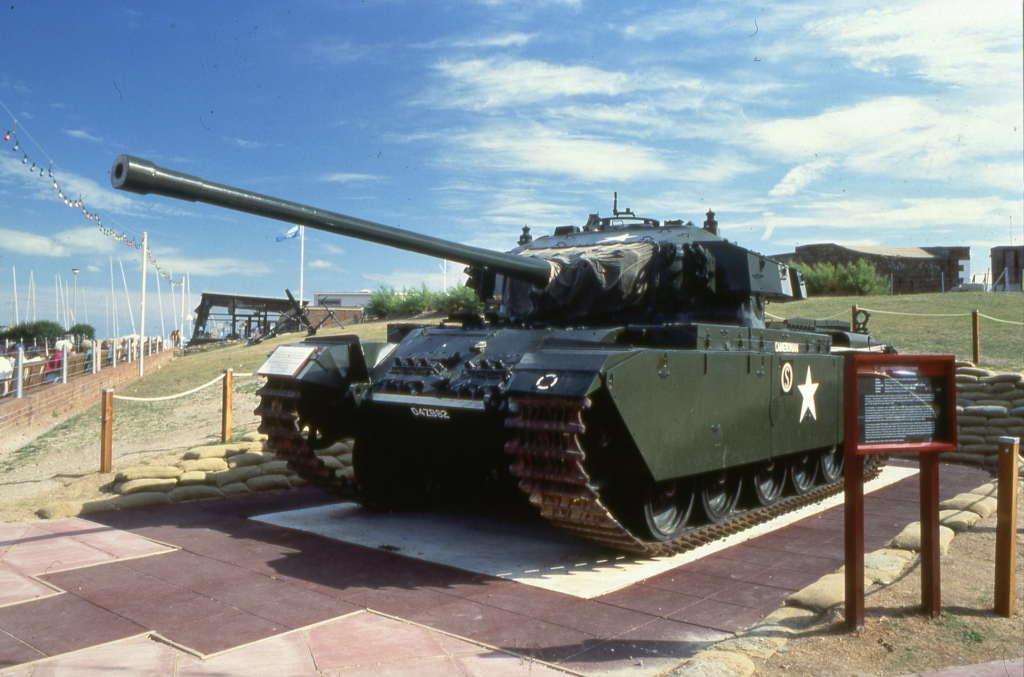
センチュリオンばっかり。まあいいんだが。(とゆーか朝鮮戦争にイギリスもいたんだな)
最後に少し補足しておくと、第二次大戦で8th Hussarsはこうして戦車を中心に運用されてたけど、11th Hussarsの方は装甲車が中心だったみたいだな(もちろん最後の方は戦車も配備されていただろうが)。以下の写真(1940年、エジプト)を参照。
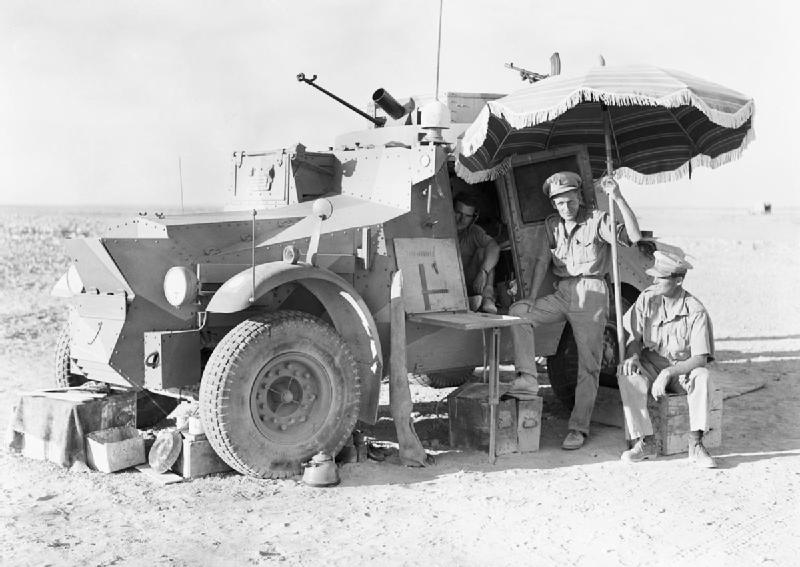
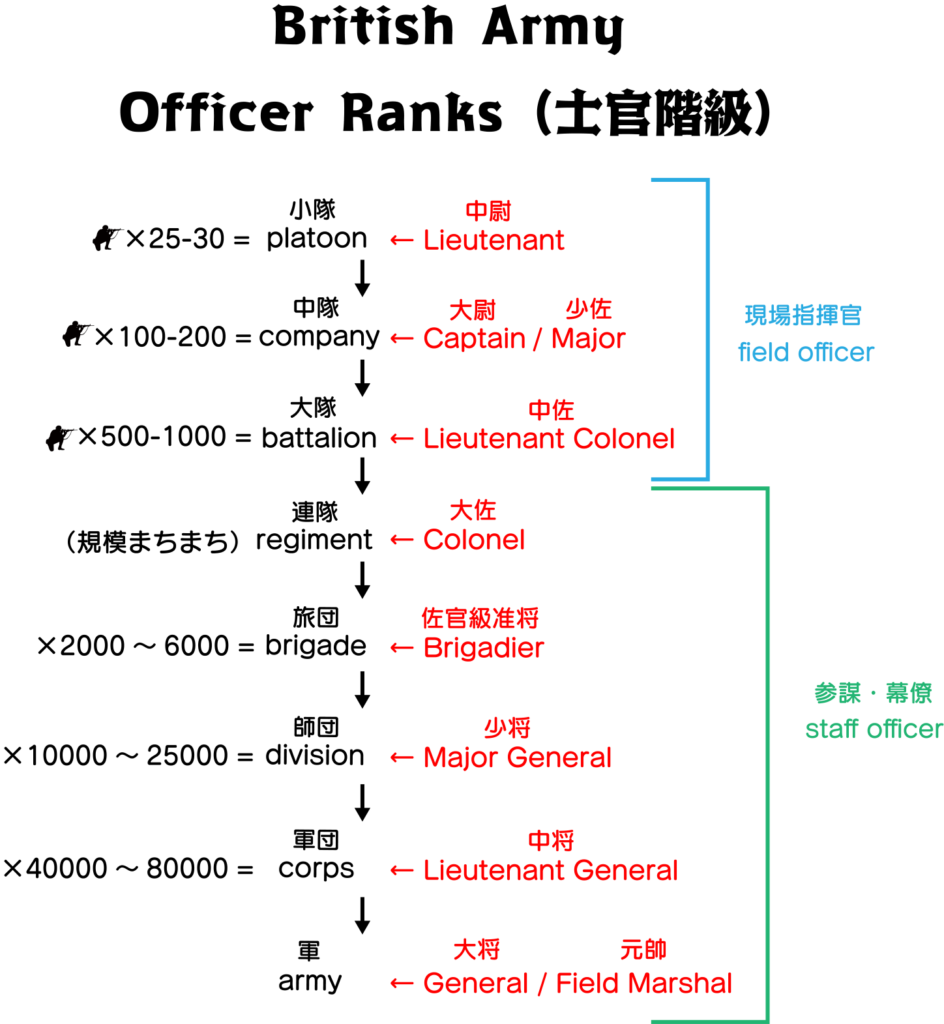
そして「lieutenant」は大丈夫だろう。「中尉」だ。
「private」はいままで出てきてこなかったが、士官ではない兵士のことだ。映画「プライベート・ライアン」は有名だよな。
ちなみに小説中のわたしも「private」の方だ。

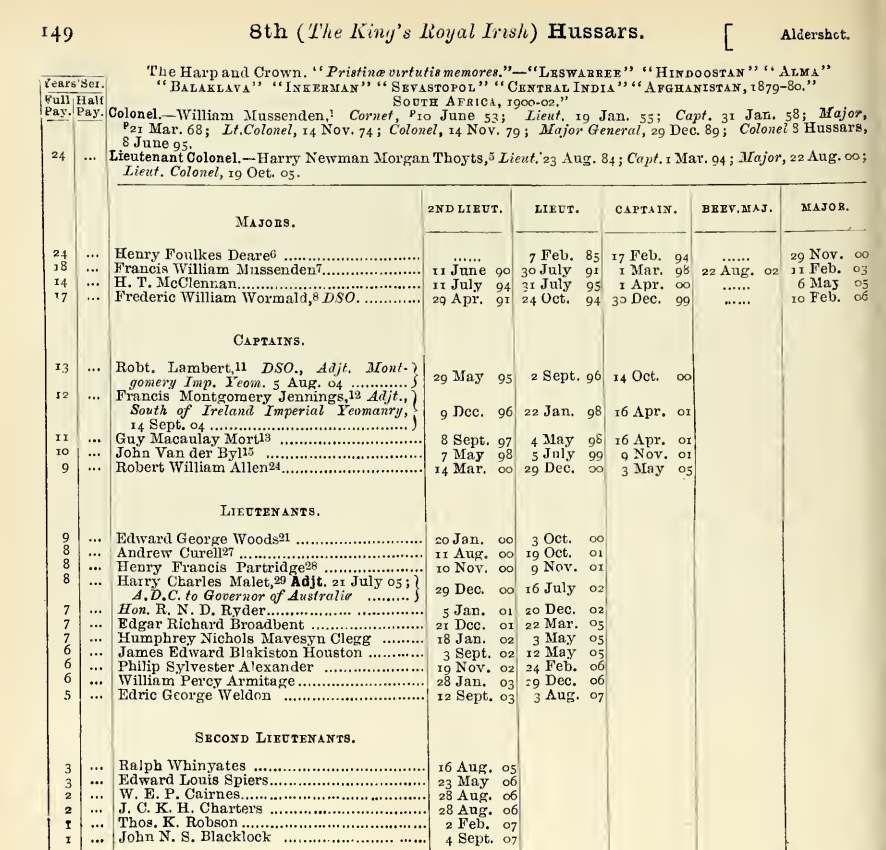
8th Hussarsは大隊/連隊クラスですから、たしかにトップとして大佐(colonel)と中佐(lieutenant colonel)が1人ずついますね!
そして「Lieutenants」(中尉)は小隊長くらいですから、11人もいますね。
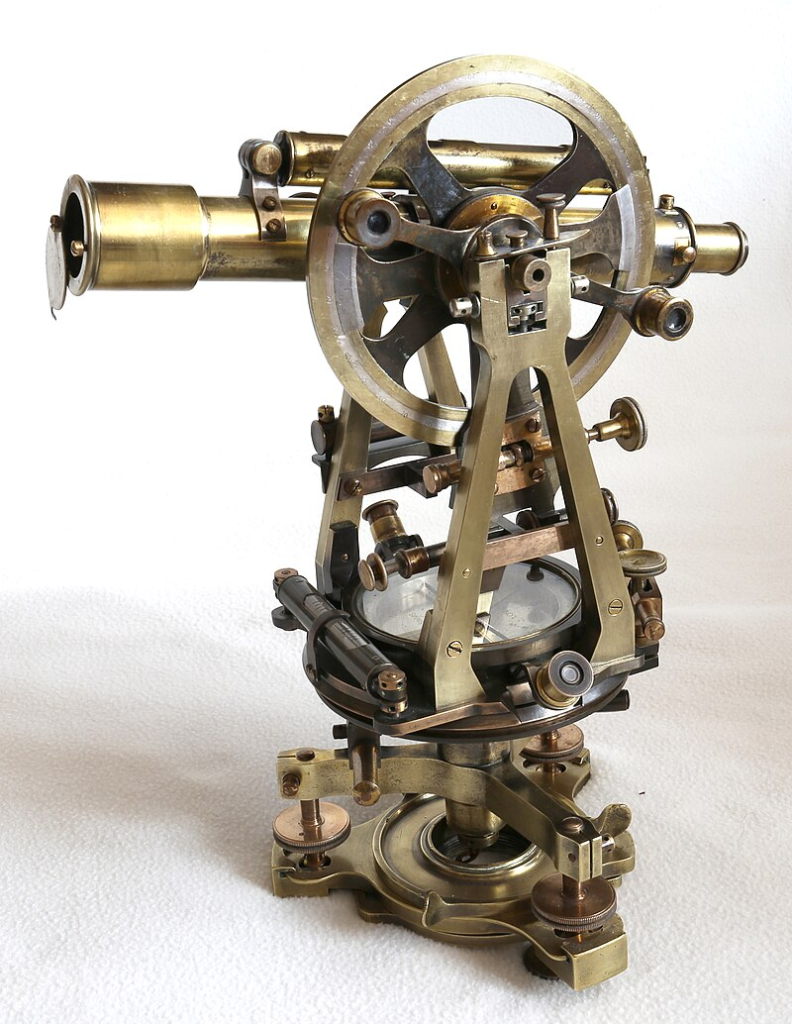
つづいて名前も見た目も中二病っぽい器械「セオドライト」(theodolite)と「ヘリオグラフ」(heliograph)だ。
まずセオドライトはこちら。目標点までの角度を測る器具だな。わりと昔からあるぞ。
ヘリオグラフはこんな感じ!
まさに19世紀後半になって活躍し始めた、信号を送る通信装置だよ!
太陽光を鏡で反射させて、モールス信号的にチカチカさせて送るんだね!
太陽光を使うから、結構遠くまで信号が届くよ!
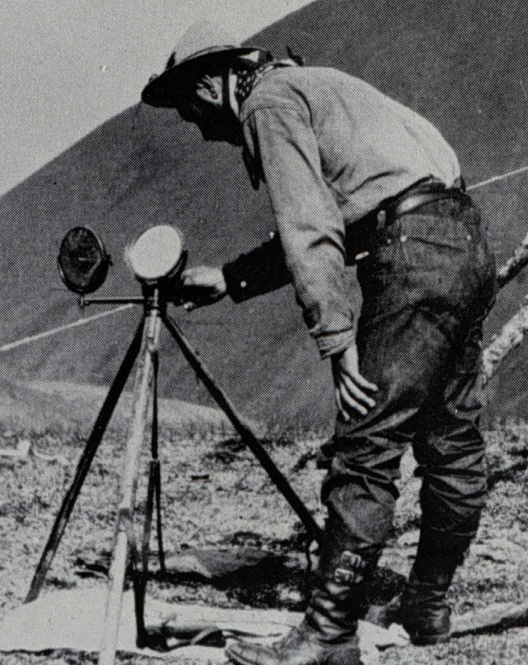
ちょうど1900年ごろ軍事用によく使われていたんだが、小説中でリッちゃんが知らなかったのも仕方ないかな。
ヘリオグラフの詳しい説明は以下の動画を見てくれ。
解答編
<英文解釈記号ルール>
〔〕→関係詞句・節
【】→接続詞句・節
《》→挿入句・節
[ ] →名詞句・節
()→副詞句・節
〈〉→形容詞句・節
(After a time) we drew near the road, and 【as we did so】 we heard the clatter* of hoofs* and saw (through the tree stems*) three cavalry* soldiers riding slowly towards Woking. We hailed* them, and they halted* 【while we hurried towards them】. It was a lieutenant* and a couple of privates* of the 8th Hussars*, (with a stand like a theodolite*), which 《the artilleryman told me》 it was a heliograph.
1. オレンジのandが繋いでるものは、heardとsaw。
2. 青アンダーラインの部分で、一語不要な単語はit。which以下は入試用語では「連鎖関係代名詞」って言われるやつですね。ぶっちゃけただの挿入だ。
全訳
しばらくのち、道路に近づいていった。そうしていると馬のひづめの音が聞こえてきて、木の幹の隙間から見ると、3人の騎兵が馬に乗ってゆっくりとウォーキングへ向かっていた。わたしたちは大声で呼び止めて、その人たちのもとへ急いで向かった。その間彼らは止まってくれた。この3名は第8騎兵連隊所属で、1名が中尉、2名が兵卒だった。中尉らはセオドライトのような台を持っており、ミッちゃんがこれはヘリオグラフだと教えてくれた。
なぁ、この第8騎兵連隊の3人はこっちの会話編に出てこないのか?
今後ワンチャン出すかもだけど、すまん。ちょっと時間がなかった。
第12章 第9段落(前半) (第182話)
第8騎兵連隊の中尉さんたち3人と、マホちゃん・ミカちゃんの会話シーンね。
数回前に、「woods towards the railway」っていう記述があったから、下図①のルートかなって推測してたけど、線路沿いは道路がないんだ。
わたしたちが避難してるルートとしてならわかるが、第8騎兵連隊さんまで道路がないところを通るとは思えない。
ということで、下図②のルートを提案するぞ。
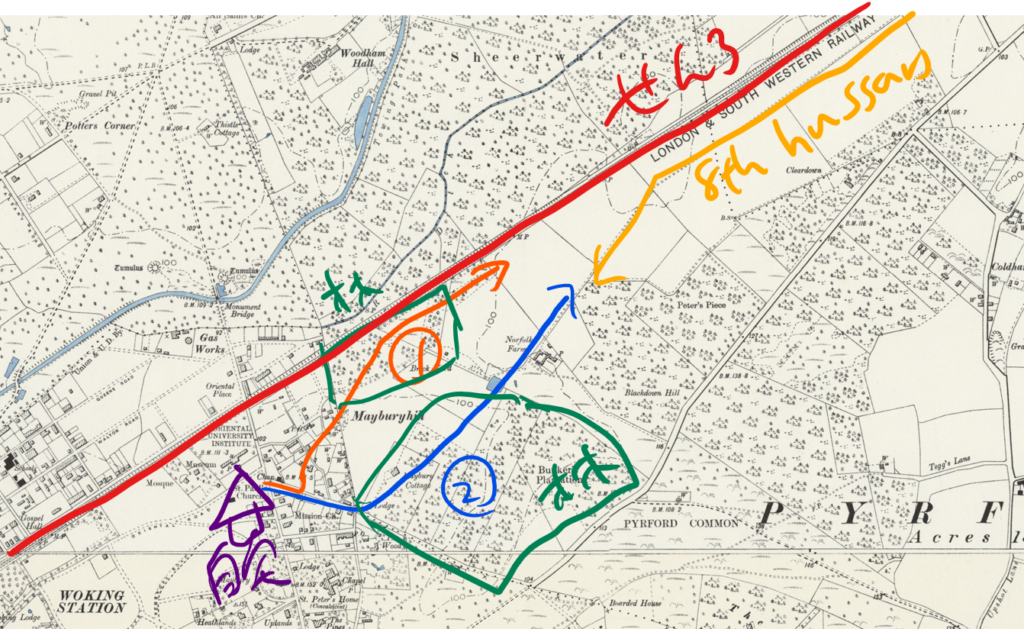
ま、これならたぶん矛盾はないかな。
問題編
“You are the first men I’ve seen coming this way this morning,” said the lieutenant. “What’s brewing*?”
His voice and face were eager. The men behind him stared curiously. The artilleryman jumped down the bank into the road and saluted*.
“Gun destroyed last night, sir. Have been hiding. Trying to rejoin battery*, sir. You’ll come in sight of the Martians, I expect, about half a mile along this road.”
“What the dickens* are they like?” asked the lieutenant.
“Giants in armour, sir. Hundred feet high. Three legs and a body like ’luminium*, with a mighty great head in a hood*, sir.”
“Get out!” said the lieutenant. “What confounded* nonsense*!”
brew(悪いことが)起ころうとしている salute敬礼する battery砲兵中隊(そろそろ覚えてください!) What the dickens~いったい~(the dickensは強調)(≒What on earth~≒What in the world~) aluminiumアルミニウム hood頭巾・フード confoundedとんでもない・いまいましい(≒damn。口語で強調に使う) nonsenseわけのわからないもの・ばかげたこと
1. 青アンダーラインを必要な語句を補って訳すと?
2. 赤のget outはどんな意味と推量される?
「sir」ってミカちゃんが言ってるけど、ミカちゃんは一兵卒で、相手は中尉(小隊長クラスの士官)だ。そりゃそうなるわな。
解答編
<英文解釈記号ルール>
〔〕→関係詞句・節
【】→接続詞句・節
《》→挿入句・節
[ ] →名詞句・節
()→副詞句・節
〈〉→形容詞句・節
“You are the first men 〔I’ve seen coming (this way) (this morning)〕,” said the lieutenant. “What’s brewing*?”
His voice and face were eager. The men behind him stared curiously. The artilleryman jumped (down the bank) (into the road) and saluted*.
“Gun destroyed (last night), sir. Have been hiding. Trying to rejoin battery, sir. You’ll come in sight of the Martians, 《I expect》, about half a mile along this road.”
“What the dickens* are they like?” asked the lieutenant.
“Giants in armour, sir. Hundred feet high. Three legs and a body like ’luminium*, with a mighty great head in a hood*, sir.”
“Get out!” said the lieutenant. “What confounded* nonsense*!”
1. 青アンダーラインは、「Gun was destroyed last night, sir. I[we] have been hiding. I’m trying to rejoin battery, sir.」と補えばいいでしょうか。
2. 赤のget outは「まさか」「なんと」とかで訳せばいいかしら。 「get out!」は直訳すると「出ていけ!」だから、その言葉の感じの強さだけが残った感じ。
全訳
「わたしが見た限り、今朝この道を通ってきたのは君が初めてだよ。」と中尉は言った。「いったい何が起こっているのかな?」
中尉の声色や顔つきはもっと知りたそうにしていた。中尉の後ろに控えている兵卒も興味深そうにこちらを見ていた。ミッちゃんは斜面から道に飛び降りて、敬礼した。
「中尉、大砲は昨晩破壊されました。自分は物陰に隠れておりました。自分は中隊に再合流する予定です。この道を半マイル(≒800m)ほど進めば火星人が見えてくると思われます。」
「いったいどんな見た目かね?」と中尉が尋ねた。
「は、装甲で護られた巨人であります。全高は100フィート(≒30m)はあります。3本の足があり、本体はアルミのようです。また、フードのような見た目をした巨大な頭部を備えています。中尉」
「なんと!」と中尉。「なんと得体のしれぬ怪物だ!」
「Hundred feet high」(高さ30m)と。
大抵の巨人より大きいわね。
ま、幸いなことに自己再生機能はないけどな。
第12章 第9段落(後半) (第183話)
問題編
“You’ll see, sir. They carry a kind of box, sir, that shoots fire and strikes you dead.”
“What d’ye mean—a gun?”
“No, sir,” and the artilleryman began a vivid account of the Heat-Ray. Halfway through, the lieutenant interrupted him and looked up at me. I was still standing on the bank by the side of the road.
“It’s perfectly true,” I said.
“Well,” said the lieutenant, “I suppose it’s my business* to see it too. Look here*”—to the artilleryman—“we’re detailed* here clearing people out of their houses. You’d better go along and report yourself to Brigadier-General* Marvin, and tell him all you know. He’s at Weybridge. Know the way?”
“I do,” I said; and he turned his horse southward again.
“Half a mile, you say?” said he.
“At most,” I answered, and pointed over the treetops southward. He thanked me and rode on, and we saw them no more.
business任務・仕事 look hereいいかい? detail派遣する Brigadier-General准将
1. 赤のd’yeを書き言葉に直すと?
2. 紫のaccountの意味は?
3. 茶色のitが指しているものは?
4. 緑のitが指しているものは?
5. 青のitが指しているものは?
6. ピンクのto句が修飾している単語は?
7. オレンジのyouserelfはどのような働き?
「on the bank」だけど、あぜ道の土手(斜面)ってことだね!
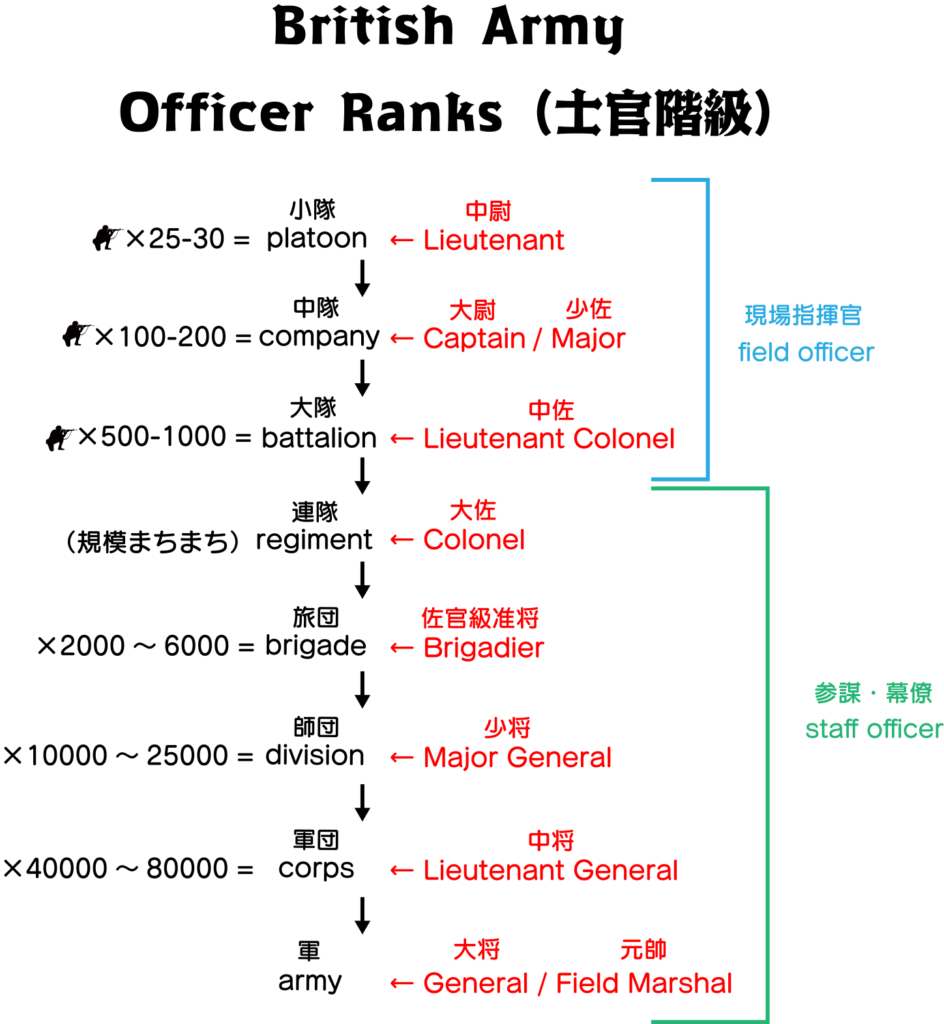
つづいて「Brigadier-General」は「准将」ですにゃ。1921年までイギリス陸軍に存在した役職で、21世紀では「Brigadier」に相当しますにゃ。
旅団を率いますから、このMarvinさんはそこそこ偉い人ですにゃ。当然、現場ではなく本部で指揮を執っていますにゃ。
このマービン准将さんはウェイブリッジにいるって書いてるけど、なんでここで指揮取ってるんだろ? ウェイブリッジには兵舎はないはずだよ。
地理的な要因じゃないかな。
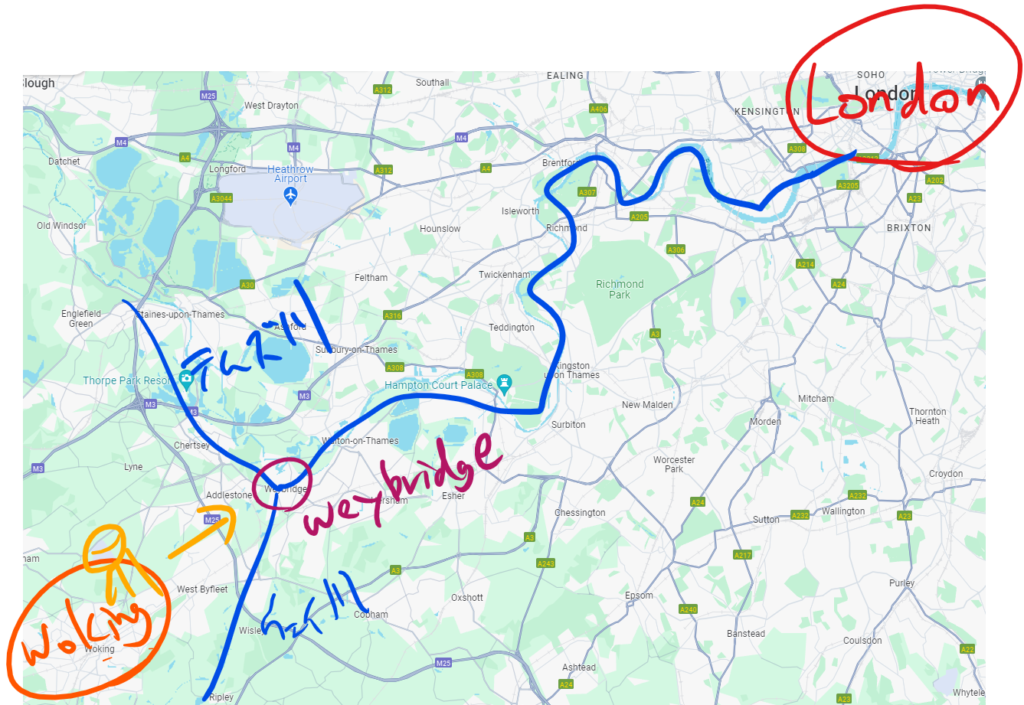
ウェイブリッジは、ウォーキングとロンドンを結ぶ直線上にあるうえに、ウェイ川とテムズ川が合流するところにある。ロンドン防衛にあたって、この川を防衛ラインと定めたのはもっともだ。
解答編
<英文解釈記号ルール>
〔〕→関係詞句・節
【】→接続詞句・節
《》→挿入句・節
[ ] →名詞句・節
()→副詞句・節
〈〉→形容詞句・節
“You’ll see, sir. They carry a kind of box, 《sir》, 〔that shoots fire and strikes you dead〕.”
“What d’ye mean—a gun?”
“No, sir,” and the artilleryman began a vivid account of the Heat-Ray. (Halfway through), the lieutenant interrupted him and looked up at me. I was still standing (on the bank) (by the side of the road).
“It’s perfectly true,” I said.
“Well,” said the lieutenant, “I suppose it’s my business* to see it too. Look here*”《—to the artilleryman—》“we’re detailed* here clearing people (out of their houses). You’d better go along and report yourself to Brigadier-General* Marvin, and tell him all 〔you know〕. He’s (at Weybridge). Know the way?”
“I do,” I said; and he turned his horse (southward) (again).
“Half a mile, you say?” said he.
“At most,” I answered, and pointed over the treetops southward. He thanked me and rode on, and we saw them no more.
1. 赤のd’yeを書き言葉に直すと「do you」。
2. 紫のaccountの意味は「説明」あたり。
3. 茶色のitは、直前のミッちゃんの説明(a vivid account)。ミッちゃんの話があまりに信じられなかったから、中尉はリッちゃんにも本当か確かめたんですね。
4. 緑のitが指しているものは、to see以下。
5. 青のitが指しているものは、the Heat-Ray。敵兵器の威力を知りたいのは当然です。
6. ピンクのto句が修飾している単語は、said。
7. オレンジのyouselfはただの強調(「わたしでなくあなたが」という意味)。目的語など文の成分ではないので、なくても大丈夫ですね。
ちなみに、youselves(あなたたちが)じゃなくてyouself(あなたが)となっていますが、軍人でないリッちゃんはさすがに軍本部には入れないので、軍人のミッちゃんだけに言ってるわけですね。
全訳
「中尉もきっと見ると思いますが、火星人は何やら箱のようなものを運んでいます。そこから火が噴いて、人を殺戮していくのです。」
「どういううことだ?大砲か?」
「いいえ、中尉。」ミッちゃんはレーザー光線についてありありと説明した。半分くらい話したところで中尉がさえぎり、わたしの方を見た。わたしはまだ道のわきの斜面に立っていた。
「まったくその通りです」とわたしは言った。
「うん」と中尉。「レーザー光線を見ておくのもわたしの任務だと思う、ただ、いいかい、」ここでミッちゃんの方を見て言った。「わたしたちは家から人々を避難させるためにここに派遣されてきたんだ。だから君がこのまま歩いてマービン准将に報告しに行って、知っていることをすべて話してくれたまえ。准将はウェイブリッジにいる。道は知っているね?」
「はい」とわたしが答えた。そして中尉はまた馬を南に向けた。「半マイル(≒800m)だったかな?」
「多めに見積もってそれくらいです」と、南の梢を指さしながらわたしが答えた。中尉はありがとうと言ってまた進みだした。わたしたちは中尉らを二度と見ることはなかった。
なるほど、こうして准将に会いに行くように中尉から言われたから、二人の予定が変更になったんだな。ここからウェイブリッジに行くというわけか。
ま、計画なんてそういうもんだ。
ともあれ、准将は誰に割り当てるのよ。
というか、未割り当てのキャラ結構いるわよね。
はいはい、暇があったら割り当てていくから。
第12章 第10段落 (第184話)
問題編
Farther along we came upon a group of three women and two children in the road, busy clearing out* a labourer’s* cottage*. They had got hold of a little hand truck*, and were piling it up with unclean-looking bundles* and shabby* furniture. They were all too assiduously* engaged (talk) to us as we passed.
clear out掃除する・空にする labourer肉体労働者 cottage小さな家 hand truck手押し車 bundle包み shabby粗末な assiduouslyせっせと
1. 赤のcome uponの意味は?
2. オレンジのandが繋いでるものは?
3. 緑のtalkを正しく語形変化させると?
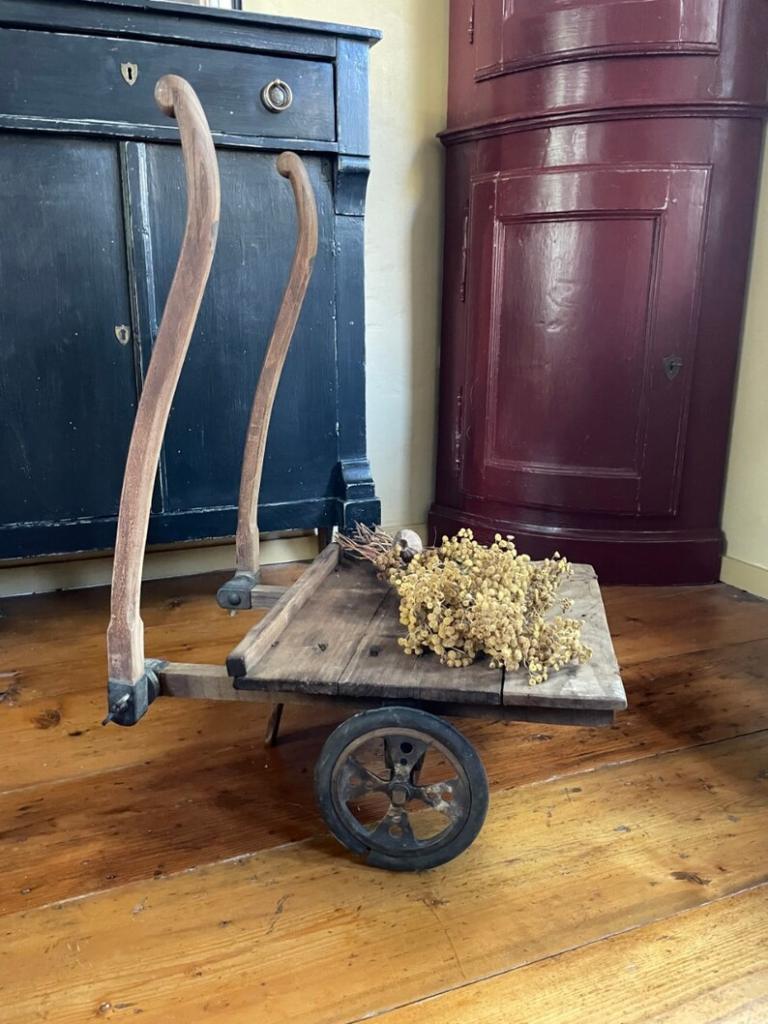
こちらが「hand truck」ですにゃ。要するに、台車ですにゃ。
この文章に登場するものは家具を積み込んでいるので、写真より大きかったと思われますにゃ。
解答編
<英文解釈記号ルール>
〔〕→関係詞句・節
【】→接続詞句・節
《》→挿入句・節
[ ] →名詞句・節
()→副詞句・節
〈〉→形容詞句・節
(Farther along) we came upon a group of three women and two children (in the road), (busy clearing out* a labourer’s* cottage*). They had got hold of a little hand truck*, and were piling it up (with unclean-looking bundles* and shabby* furniture). They were all too assiduously* engaged to talk to us 【as we passed】.
1. come upon≒come across≒meet by chance で「偶然出会う」。come uponのuponはonにはできませんので注意しましょう。
2. オレンジのandはhad got とwere pilingを繋いでます。
3. 緑のtalkはto talkとしてあげましょう。too~to構文ですね。
全訳
さらに進むと、3人の女性・2人の子供の集団と道で出会った。その5人はせかせかと労働者の小屋から物を運び出していた。小さな手押し車を持っており、汚らしい包みや古びた家具を積み上げていた。あまりにせっせと仕事をしていたので、わたしたちが通り過ぎる際に声をかけられることもなかった。
第12章 第11段落 (第185話)
問題編
By Byfleet station we emerged from the pine trees, and found the country calm and peaceful under the morning sunlight. We were far beyond the range of the Heat-Ray there, and (it, been, the, not, silent, had, for) desertion* of some of the houses, the stirring* movement of packing* in others, and the knot* of soldiers standing on the bridge over the railway and staring down the line towards Woking, the day would have seemed very like any other Sunday.
desertion遺棄・人気がないこと(desertの名詞形) stir活動する pack荷造りをする knot集団
1. オレンジのandが繋いでるものは?
2. 青アンダーラインの単語を適切に並び替えると?
3. 紫のothersを「other~」の形で書き換えると?
4. 赤のandが繋いでるものは?
5. 青のandが繋いでるものは?
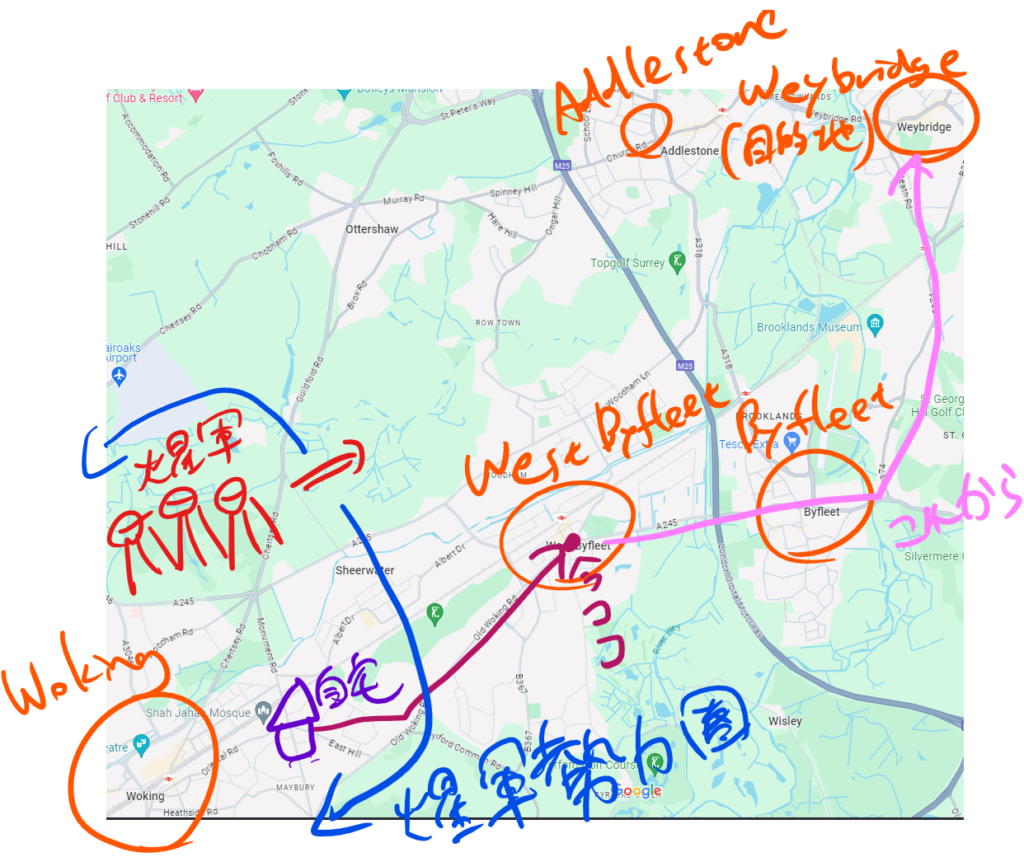
全体Mapはこちらです。
もうByfleetまで来ましたね。
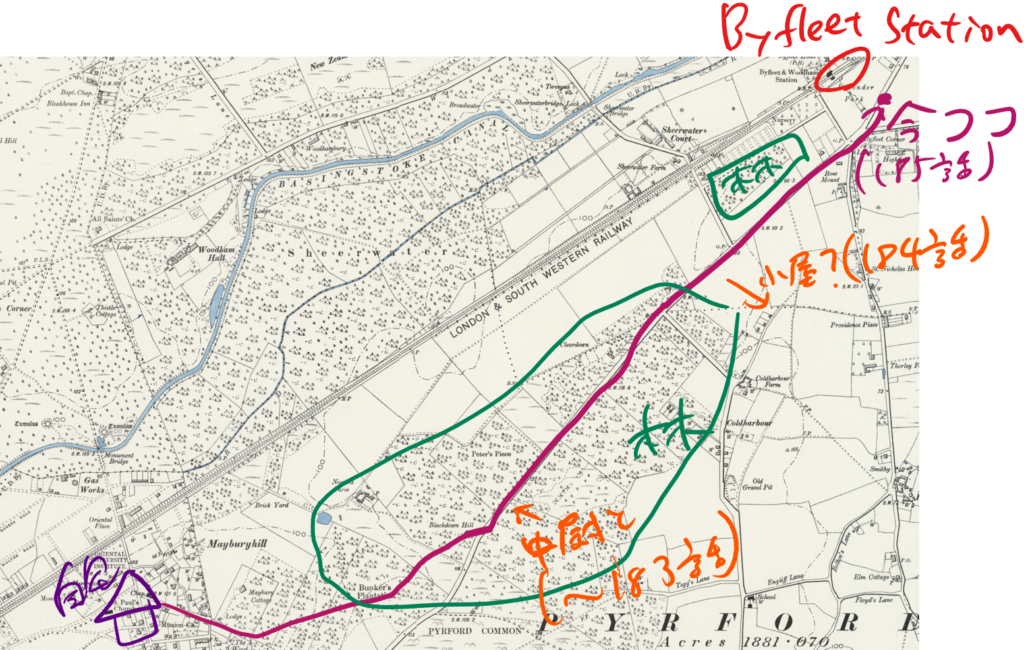
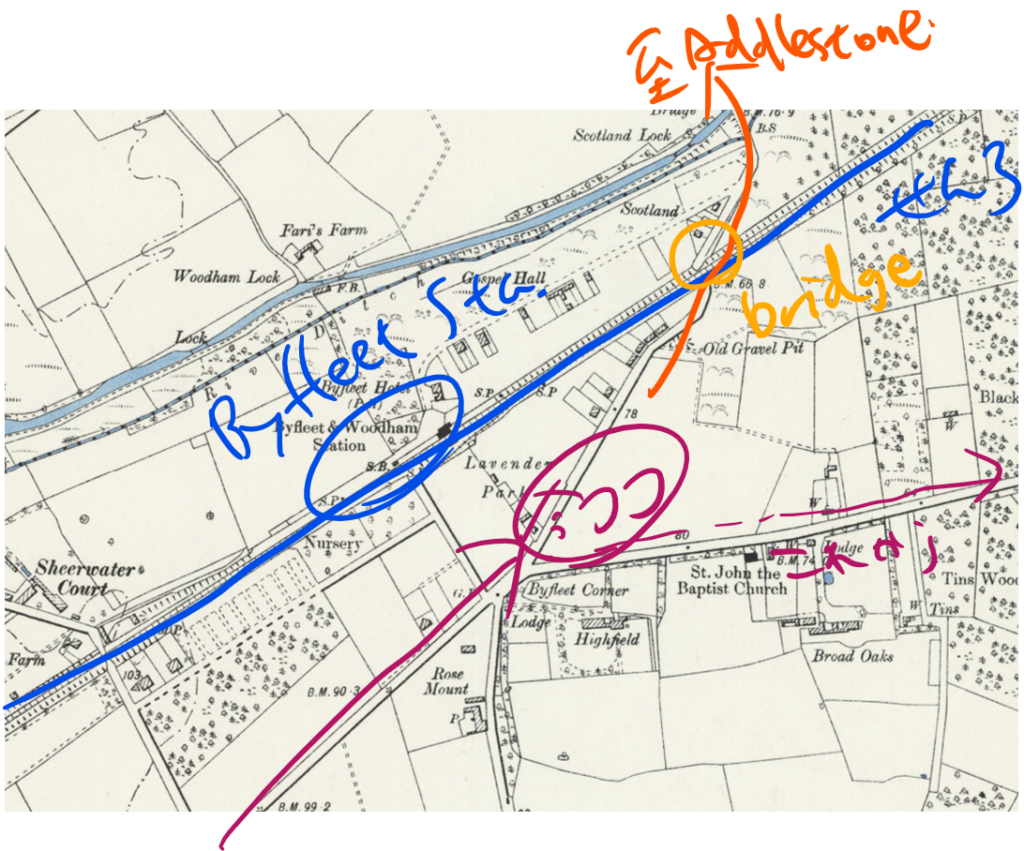
もう少し細かく見るとこんな感じよ。
線路と道路が立体交差するところがあって、そこが「bridge」として本文に出てくるわね。
わたしたちはこのままByfleet中心部まで東に進んで、Weybridgeに北上するぞ。
解答編
<英文解釈記号ルール>
〔〕→関係詞句・節
【】→接続詞句・節
《》→挿入句・節
[ ] →名詞句・節
()→副詞句・節
〈〉→形容詞句・節
(By Byfleet station) we emerged from the pine trees, and found the country calm and peaceful (under the morning sunlight). We were far beyond the range of the Heat-Ray there, and 【had it not been for the silent desertion* of some of the houses, the stirring* movement of packing* (in others), and the knot* of soldiers (standing on the bridge over the railway) and (staring down the line towards Woking)】, the day would have seemed very like any other Sunday.
1. オレンジのandが繋いでるものは、emergedとfound。
2. 青アンダーラインの単語を適切に並び替えると、had it not been for~(≒but for~≒without~)の形が出てきますね。
3. 紫のothersを「other~」の形で書き換えると、other of the houses。少し前を見てあげるとsomeがあるので、「some~others~」の対句表現です。
4. 赤のandが繋いでるものは、the silent desertion, the stirring movement, the knot。
5. 青のandが繋いでるものは、standingとstaring。
全訳
バイフリート駅のそばで、わたしたちは松林から抜け出た。その一帯は朝日のもと静かで平和だった。もうレーザー光線のはるか射程外に出ていたのだ。静かで人気がない家もあれば、荷造りでドタバタしている家もあった。そして兵士の一団が線路にかかる橋の上でウォーキングの方を見つめていた。でも、そうした家や兵士の姿がなければ、その日は他の日曜日とほとんど変わらないようだった。
第12章 第12・13段落 (第186話)
問題編
Several farm waggons* and carts* were moving creakily* along the road to Addlestone, and suddenly through the gate of a field we saw, across a stretch* of flat meadow*, six twelve-pounders* standing neatly* at equal distances pointing towards Woking. The gunners stood by the guns waiting, and the ammunition* waggons were at a business-like* distance. The men stood almost as if under inspection*.
“That’s good!” said I. “They will get one fair shot, at any rate*.”
The artilleryman hesitated at the gate.
“I shall go on,” she said.
waggon四輪馬車 cart二輪馬車 creakilyきしんで stretch一続き meadow牧草地 twelve-pounders12ポンド-6cwt砲 neatlyきちんと ammunition弾薬 business-like効率的な inspection監察 at any rate少なくとも
1. オレンジのandが繋いでるものは?
2. 青アンダーラインで省略されているSVを復元すると?
3. 赤のtheyが指しているものは?
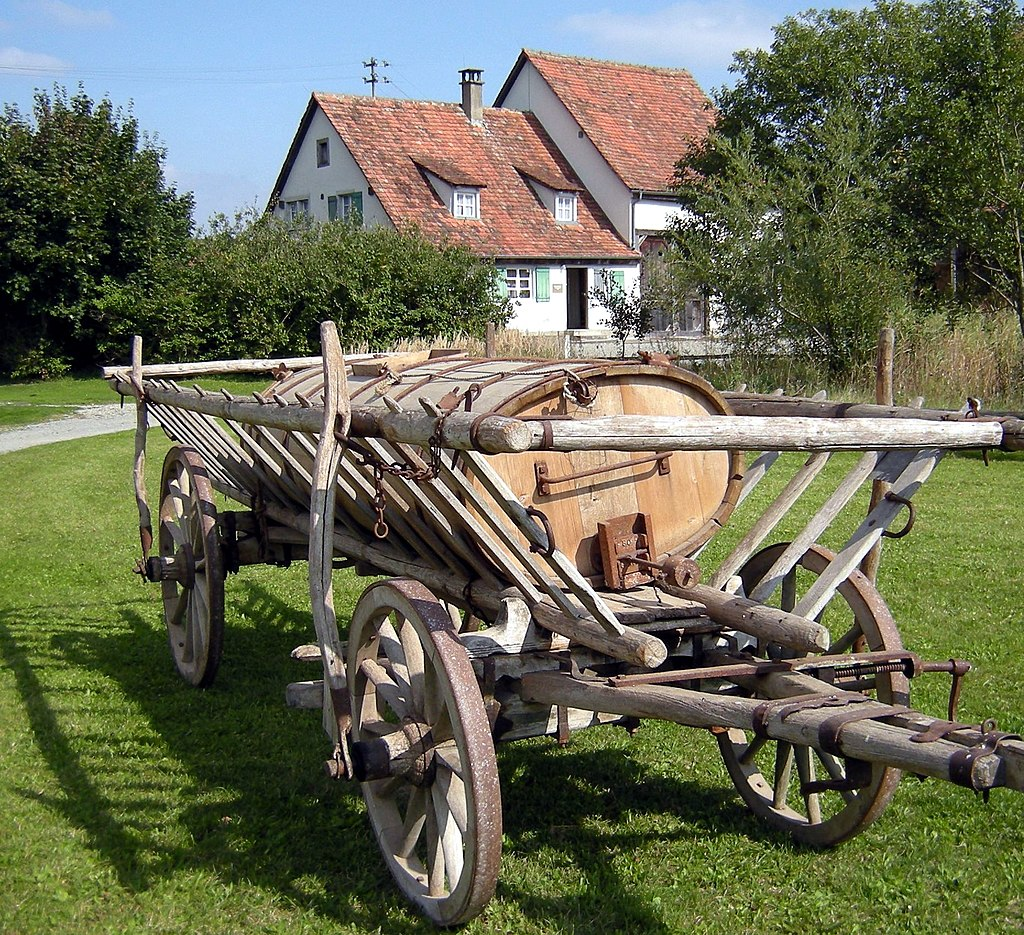
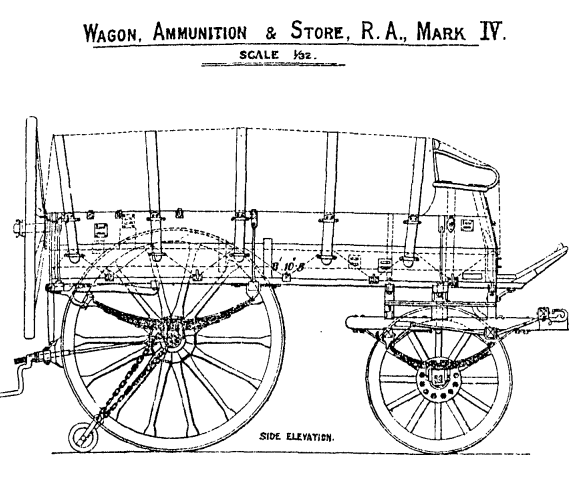
こちらが馬車の一種「waggon」(写真は貨車部分のみ)よ。
四輪の大きな馬車ね。
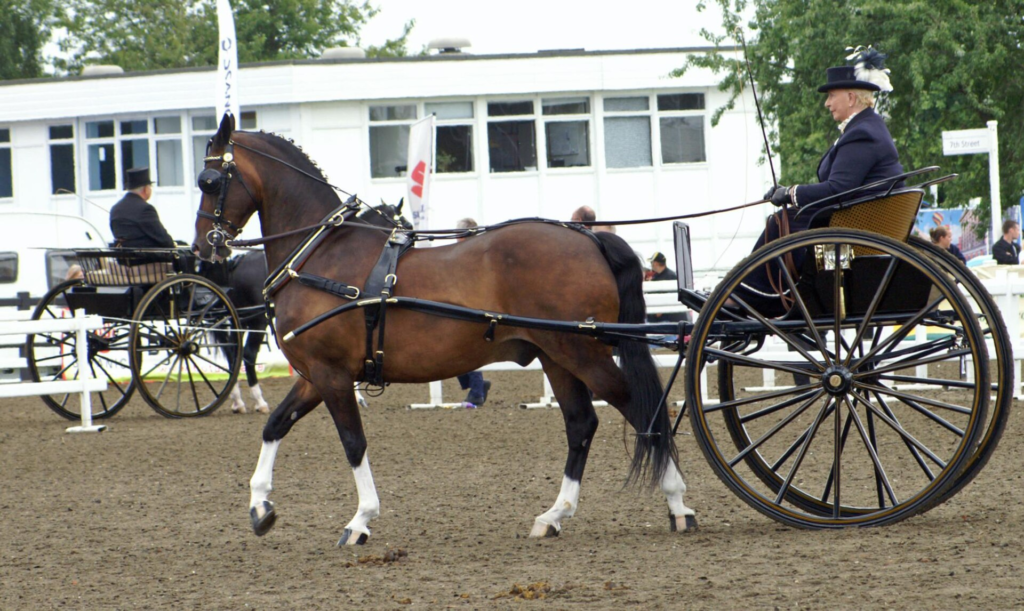
「cart」は今まで何回か出てきてる通り、二輪馬車だわ。
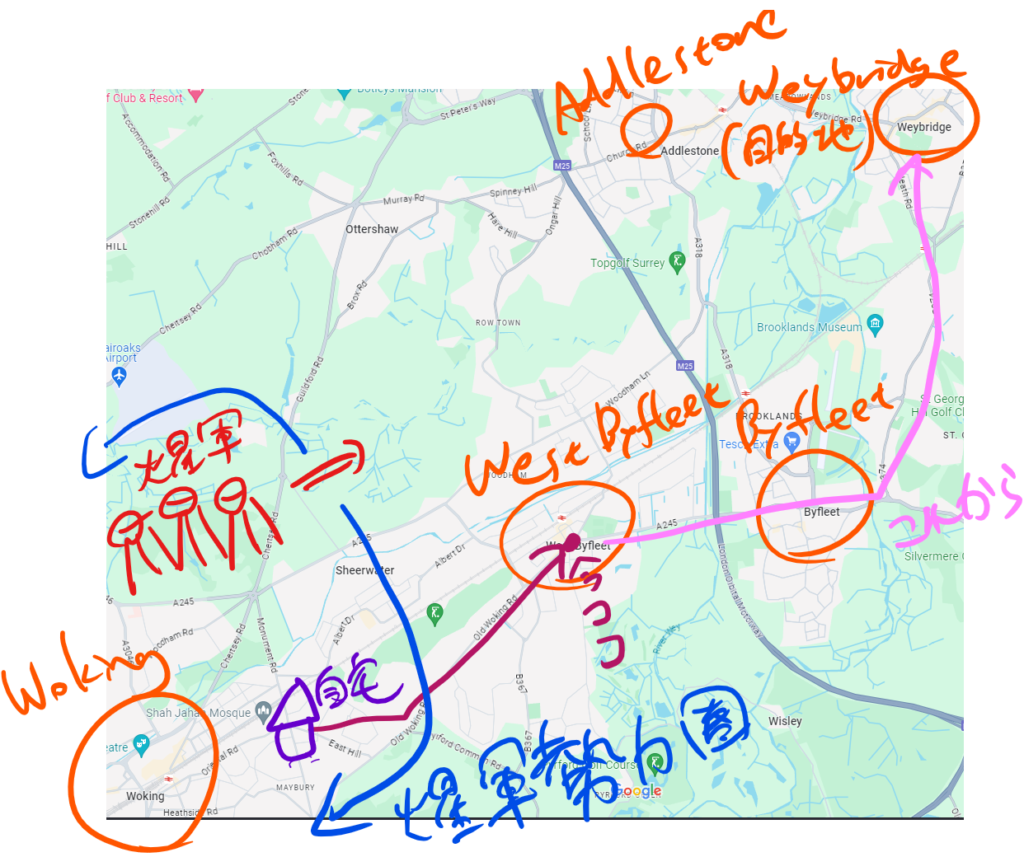
そしてマップを再掲しておきますよ。
火星人はいまはロボットとともにHorsell Commonで野営してるんでしたね。
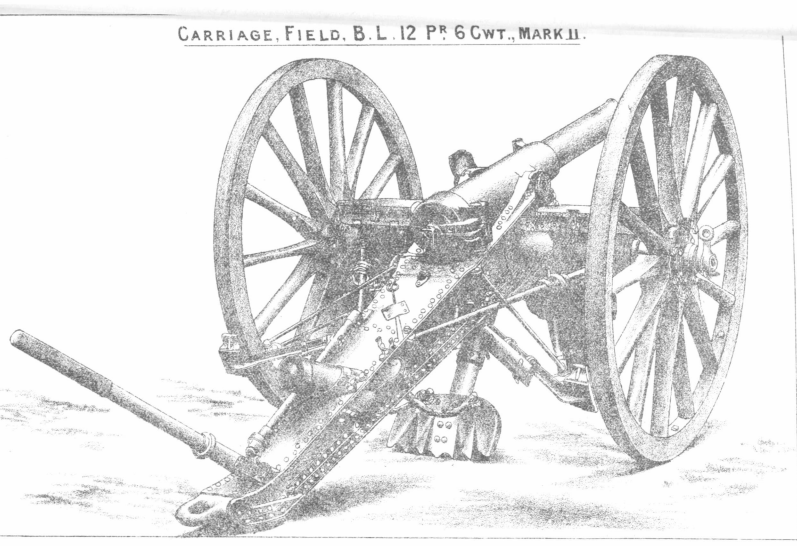
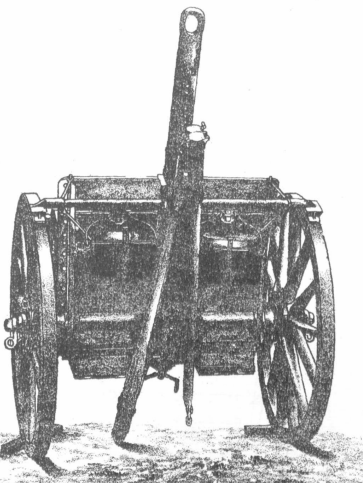
「twelve-pounders」っていうのは、ちょうどこのごろRHA(Royal Horse Artillery)でよく使われていたBL 12-pounder 6 cwt gun(BL12ポンド砲)を指しているよ。第166話でも少し触れたけど…。
重さ12ポンドの砲弾を打ち出すから12ポンド砲って言うんだ。
「6 cwt」っていうのは、12ポンド砲にもいろいろあるから、区別するための型番みたいなもんだと思っておけば大丈夫かなぁ。
イギリスはクレイジーなことに砲の名前に砲弾の重さをつけるよね!
だよなぁ。まじで。
この砲についてWikipediaの記事も充実してるんだが、それでは物足りなくなってきた。
幸いにも、オーストラリアのヴィクトリア州立図書館が、この砲についての詳細な一次資料をデジタルアーカイブしてくれている。以下のリンクから見てみようぜ。

あれ、502ページ…長すぎませんかね?
改訂されたものまで含めてるから、1冊あたりは100ページくらいだろう。砲のスペックはもちろんのこと、砲兵の動きや照準合わせの方法まで書かれていて、とても興味深い軍事資料だぜ!
いろいろ語りたいところだが、砲の射程表で我慢してやろう。上記資料311ページだな。1903年のデータだ。
(文字が縦になってるところがあるから、右側に回転させた画像も置いておくぜ)
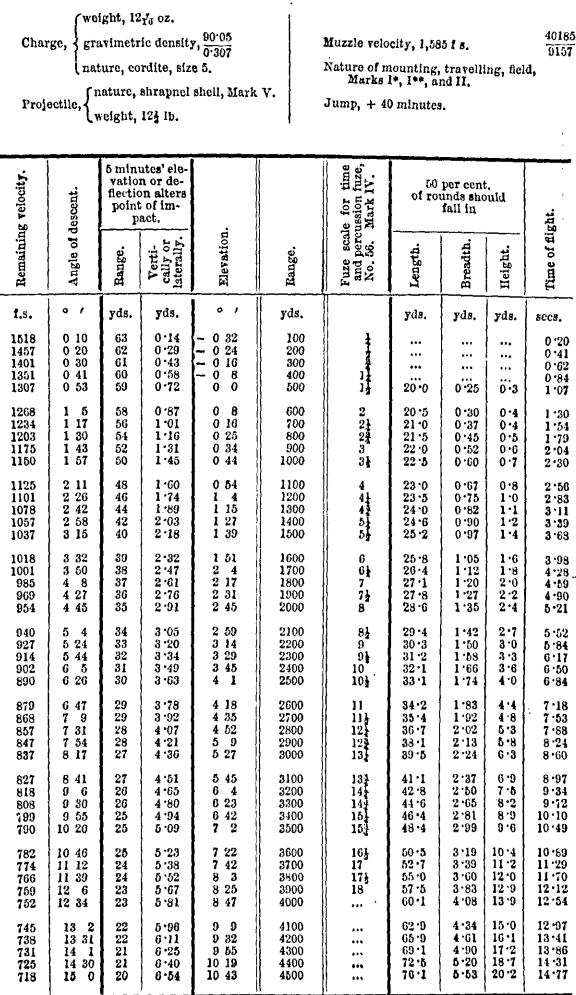
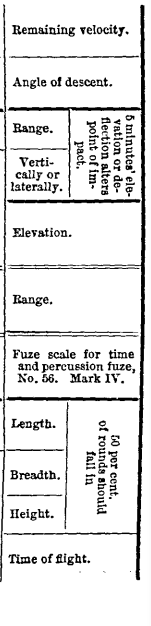
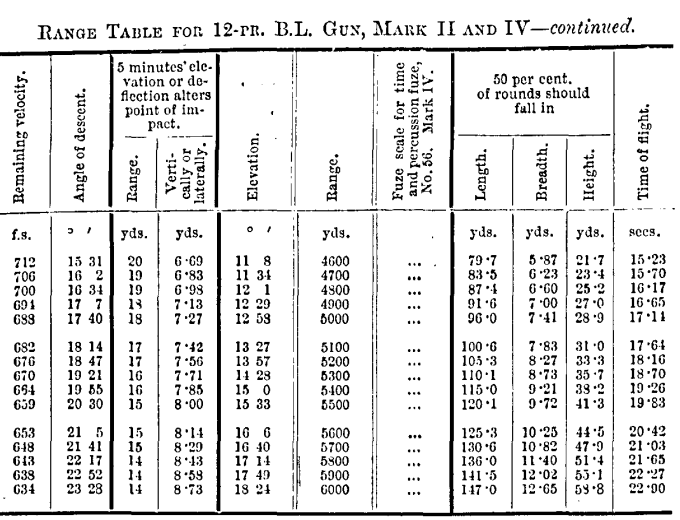
「Range」(左から6列目)に注目してみるといいぜ。
最大射程は6000ヤード(≒5500m)。そのときの射出角度(Elevation)は18.24°、着弾角度(Angle of descent)は23.28°、着弾時間は22.90秒だから、相当曲射しているな。
まあ、そもそもイングランドはずっと平地だから遮蔽物の心配はあんまりないけれどね。
それで、この地点を中心に半径5500mの円を描くと下図のようになるよ。ホーセル共有地や、各宇宙船は十分射程範囲内だ。
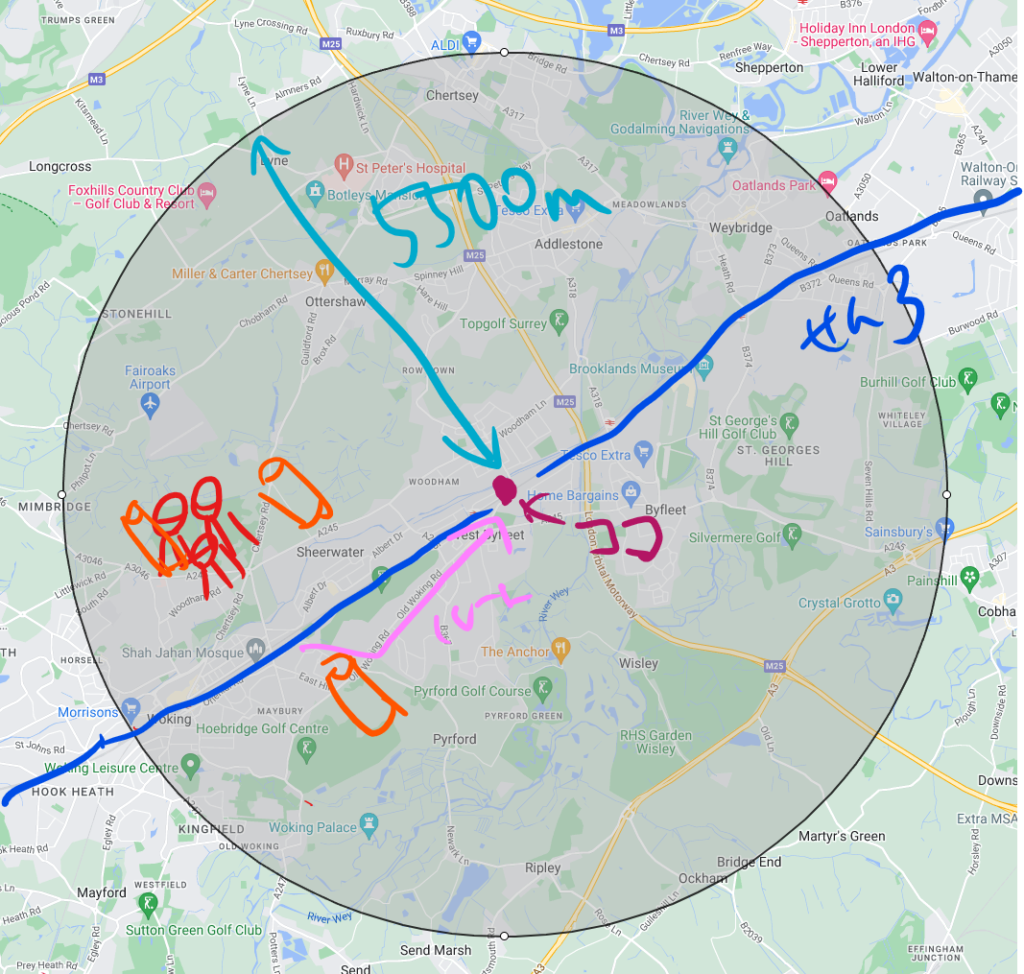
最後に、「ammunition waggon」は弾薬を積んでいる貨車のことですにゃ。もちろん馬車に連結して運びますにゃ。
解答編
<英文解釈記号ルール>
〔〕→関係詞句・節
【】→接続詞句・節
《》→挿入句・節
[ ] →名詞句・節
()→副詞句・節
〈〉→形容詞句・節
Several farm waggons* and carts* were moving creakily* (along the road to Addlestone), and (suddenly) (through the gate of a field) we saw, 《across a stretch* of flat meadow*》, six twelve-pounders* standing neatly* (at equal distances) 〈pointing towards Woking〉. The gunners stood (by the guns) (waiting), and the ammunition* waggons were (at a business-like* distance). The men stood almost 【as if under inspection*】.
“That’s good!” said I. “They will get one fair shot, (at any rate*).”
The artilleryman hesitated (at the gate).
“I shall go on,” she said.
1. オレンジのandが繋いでるものは、前後のSV。
2. 青アンダーラインで省略されているSVを復元すると、as if they were under inspectionですね。
3. 赤のtheyは火星人のことです。
全訳
農家の四輪・二輪馬車が数台、きしきしと言いながらアドレストンへの道を進んでいった。すると突然、畑の入り口のところで、平らな牧草地が続いている先に6門の12ポンド砲がきちんと等距離で並んでいるのが目に入った。砲はウォーキングの方に向けられていた。砲のそばに立っている砲手は待機中で、弾薬が積まれた貨車は効率が良いところに配置されていた。砲兵たちはまるで閲兵中であるかのように直立していた。
「いいな!」「少なくとも1発は有効打になりそうだ」とわたしが言った。
ミッちゃんは畑の入り口のところにためらいがちに立っていて、「もう行かないか」とせかしてきた。
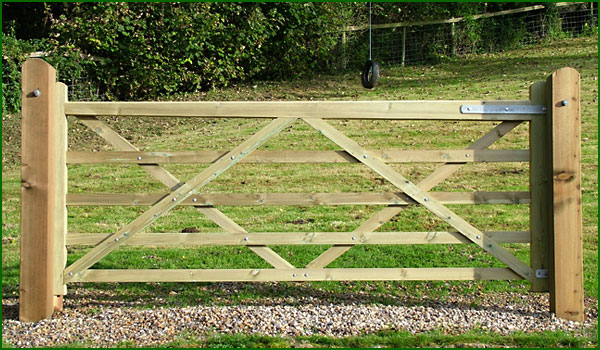
そうそう、「the gate of a field」ってのは、こういう畑の柵の出入り口のことだ。
第12章 第13・14段落 (第187話)
問題編
Farther on towards Weybridge, just over the bridge, there were a number of men in white fatigue jackets* throwing up* a long rampart*, and more guns behind.
“It’s bows* and arrows* against the lightning, anyhow*,” said the artilleryman. “They ’aven’t seen that fire-beam yet.”
The officers* who were not actively engaged stood and stared over the treetops* southwestward, and the men digging* would stop every now and again to stare in the same direction.
fatigue jacket作業着 throw up急造する rampart防御陣地 bow弓 arrow矢 anyhowどうせ officer士官(指揮をする立場の兵士) treetopこずえ dig穴を掘る
1. 赤アンダーラインはどういうこと?
2. 赤の’aven’tを書き言葉に直すと?
3. 青アンダーラインの訳は?
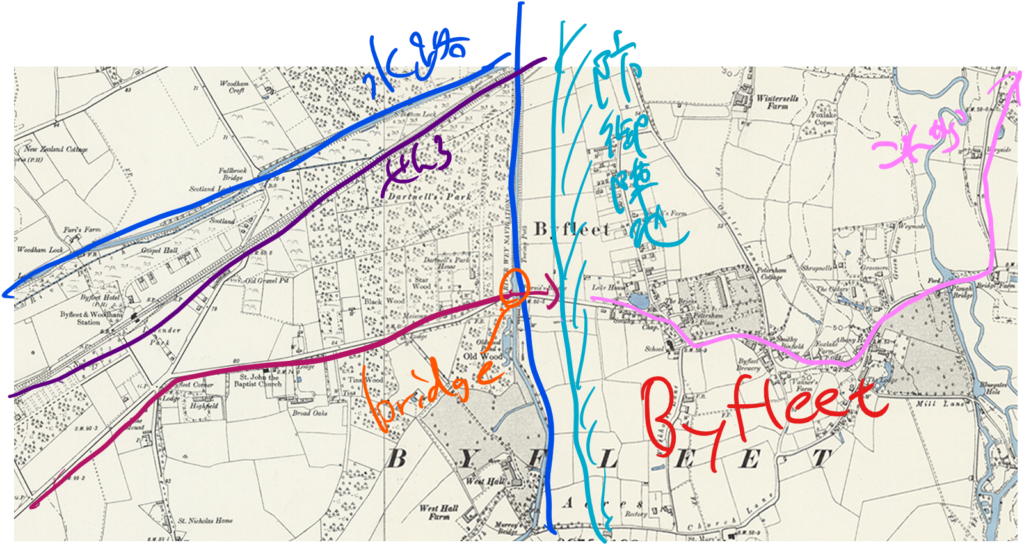
ここはWeybridgeとWokingのちょうど中間あたり。
数段落前に中尉がWokingに向かっていたがあれはあくまで避難誘導のためで、このByfleet Station周囲を第1防衛線として、防衛陣地を築くつもりだな。
水路を越えて開けたところに構築されている。セオリー通りといえるだろう。
「rampart」(防御陣地)はこんな感じかな!
画像の右側から敵が攻めてくるんだけど、ditch(溝)で足止めをしつつ、rampartの上に置かれた大砲を浴びせるってイメージだね!
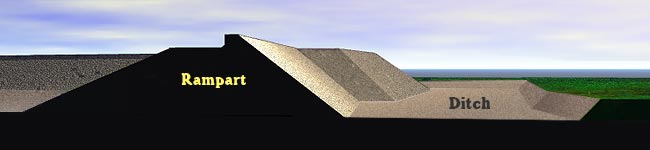
解答編
<英文解釈記号ルール>
〔〕→関係詞句・節
【】→接続詞句・節
《》→挿入句・節
[ ] →名詞句・節
()→副詞句・節
〈〉→形容詞句・節
(Farther on) (towards Weybridge), 《just over the bridge》, there were a number of men (in white fatigue jackets*) (throwing up* a long rampart*), and more guns behind.
“It’s bows* and arrows* (against the lightning), (anyhow*),” said the artilleryman. “They ’aven’t seen that fire-beam yet.”
The officers* 〔who were not actively engaged〕 stood and stared (over the treetops*) southwestward, and the men 〈digging*〉 would stop 《every now and again》 to stare (in the same direction).
1. 赤アンダーラインは、直訳だと「それは雷に対する弓と矢のようなものだ」。「それ」というのは、「火星人に対する12ポンド砲」のことです。説明問題として出されたら、「雷に弓矢では到底対抗できないように、火星人に12ポンド砲ではまったく勝ち目がないということ」くらいでまとめてあげればいいでしょう。
2. 赤の’aven’tを書き言葉に直すと、haven’t。
3. 青アンダーラインについては、every now and then(ときおり)が挿入されてることに気づけば、stop to V(手を止めてVする)の形が見えると思います。
なお、the men diggingと後置修飾の形になっていますが、the digging menとしてしまうと「いつも穴を掘っている男」という意味合いが出てきますので、一時的動作を表すものとして後置修飾しているわけです。
全訳
さらにウェイブリッジ目指して進むと、ちょうど橋を越えたところに、白い作業着を着たたくさんの兵士が長い防御陣地を急いで築いていた。そしてさらに多くの砲が控えていた。
「結局、雷に弓矢で立ち向かうもんじゃないかな」とミッちゃんが言った。「この兵士たちはレーザービームをまだ見ていないじゃないか」。
あまり積極的に指揮を執っていない士官は、立って南西の梢の方を見ていた。穴を掘っている人たちは、ときおり手を止めて同じ南西の方角を見つめた。
第12章 第15段落 (第188話)
問題編
Byfleet was in a tumult*; people packing*, and a score of* hussars*, some of them dismounted*, some on horseback*, were hunting* them about. Three or four black government waggons*, with crosses in white circles, and an old omnibus*, among other vehicles, were being loaded in the village street. There were scores of* people, most of them sufficiently sabbatical* to have assumed* their best clothes. The soldiers were having the greatest difficulty ( ) making them realise the gravity* of their position. We saw one shrivelled* old fellow* with a huge box and a score* or more of flower pots containing orchids*, angrily expostulating* with the corporal* who would leave them behind. I stopped and gripped his arm.
tumult騒乱 pack詰めかける・埋め尽くす a score of 20人の hussar騎兵 dismounted馬から降りて horseback馬の背中 hunt駆り立てる・追い出す waggon四輪馬車 omnibus乗合馬車 scores ofたくさんの sabbatical安息日の(※今日は日曜日) assume身に着ける gravity重大さ(<grave) shrivelledしわしわの fellow男 score20の orchidラン expostulate異議を唱える corporal伍長
1. オレンジのthemが指しているものは?
2. 紫のカッコ内に入る前置詞一語は?
3. 緑のthemが指しているものは?
4. 青のthemが指しているものは?
↓waggonよ。
大型の四輪馬車ね。
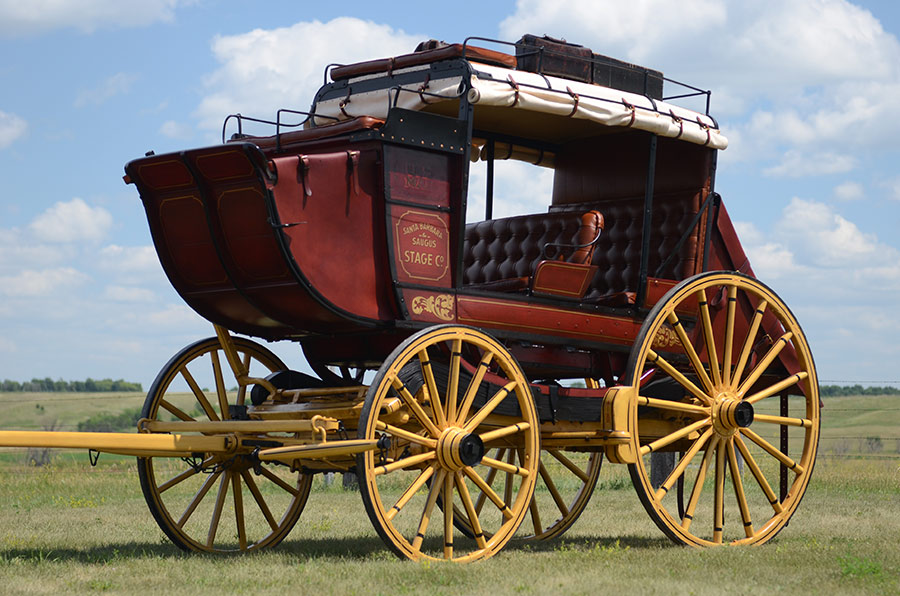
アメリカでは「wagon」だね!
いちおう、イギリスでもwagonでもOKよ。
↓次にomnibusよ。
乗合馬車、くらいに言っておこうかしら。

「omnibus」は「オムニバス形式の小説」などという風に21世紀の日本でも使われているかな。
さて次に「corporal」は「伍長」。
士官階級については以前話したと思うけど、兵・下士官の階級は、private→lance corporal→sergent→staff sergent という風に出世していくよ。イギリス陸軍公式サイトを見てみるといいかもな。
https://www.army.mod.uk/who-we-are/our-people/ranks/
corporalになるとsection(10人くらいのグループ)を指揮できるようになりますよ。

最後に、政府公用車に描かれていた「crosses in white circles」は、イングランド国旗なのかもしれないにゃ。
解答編
<英文解釈記号ルール>
〔〕→関係詞句・節
【】→接続詞句・節
《》→挿入句・節
[ ] →名詞句・節
()→副詞句・節
〈〉→形容詞句・節
Byfleet was 〈in a tumult*〉; people 〈packing*〉, and a score of* hussars*, 《some of them dismounted*, some on horseback*》, were hunting* them about. Three or four black government waggons*, (with crosses in white circles), and an old omnibus*, 《among other vehicles》, were being loaded (in the village street). There were scores of* people, (most of them sufficiently sabbatical* to have assumed* their best clothes). The soldiers were having the greatest difficulty in making them realise the gravity* of their position. We saw one shrivelled* old fellow* 〈with a huge box and a score* or more of flower pots 〈containing orchids*〉〉, angrily expostulating* (with the corporal* 〔who would leave them behind〕). I stopped and gripped his arm.
1. オレンジのthemが指しているものは、people。
2. 紫のカッコ内に入る前置詞一語は、in。have difficulty[trouble] (in) Vingで「Vするのに苦労する」ですね。
3. 緑のthemが指しているものは、scores of people。
4. 青のthemが指しているものは、a huge box and a score or more of flower pots containing orchids。(箱とランの鉢植え)
全訳
バイフリートは騒乱状態だった。住民は荷造りをしており、20人ほどの騎兵(馬から降りている兵も馬に乗ったままの兵もいた)が住民を駆り立てていた。イングランド国旗が刻まれた3、4台の黒い政府公用車や、古い乗合馬車が数多の乗り物の中に見られたが、道路上で荷物を積み込んでいるところだった。たくさん人がいたが、ほとんどの人はすっかり安息日の気分のようだった。なにせ、一番いい服でおめかししている人もいたのだ。兵士たちはいまの状況の重大さを理解させるのに大変苦労していた。わたしたちはあるシワシワの老人を見た。その人は巨大な箱と20個以上のランの植木鉢を運んでおり、それらを置いていかせようとする伍長に向かって怒気を含んで反駁していた。わたしは立ち止まって男の腕をつかんだ。
第12章 第16段落 (第189話)
問題編
“Do you know what’s over there?” I said, pointing at the pine tops that hid the Martians.
“Eh?” said he, turning. “I was explainin’ these is vallyble.”
“Death!” I shouted. “Death is coming! Death!” and leaving him to digest* that if he could, I hurried on after the artillery-man. At the corner I looked back. The soldier had left him, and he was still standing by his box, with the pots of orchids* on the lid of it, and staring vaguely* over the trees.
digest理解する orchidラン lidふた vaguely虚ろに
1. オレンジのvallybleを書き言葉に直すと?
2. 赤のandが繋いでるものは?
3. 青のthatが指しているものは?
4. 緑のitが指しているものは?
5. 紫のandが繋いでるものは?
「corner」の位置も容易に特定できるな。
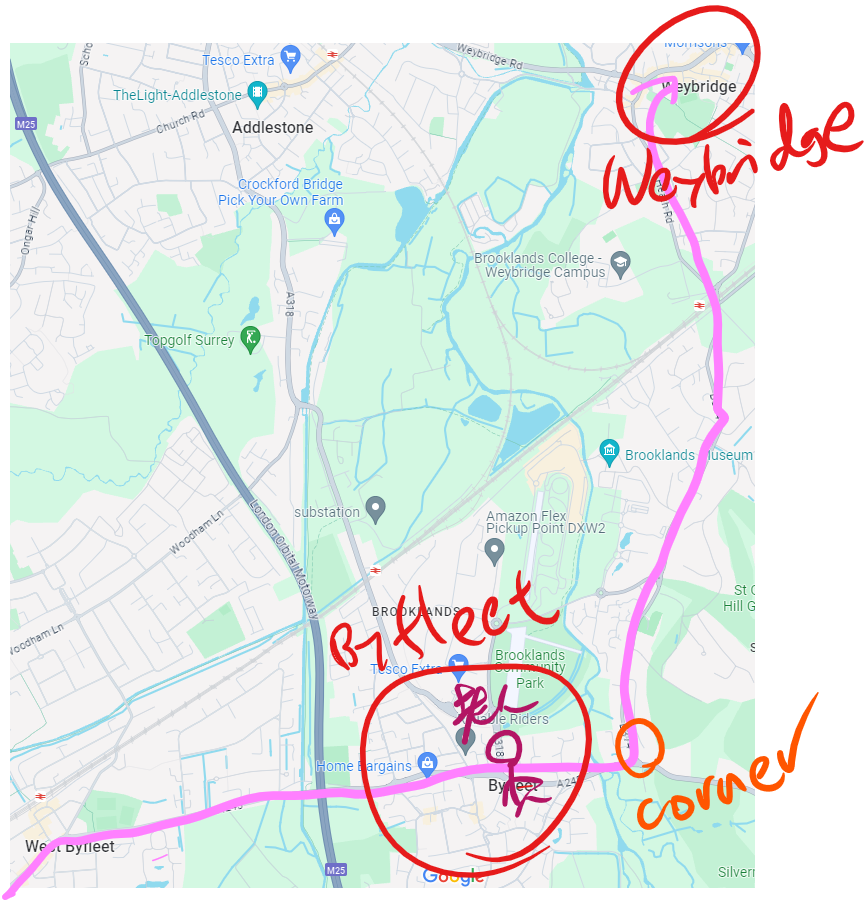
それにしても、老人を見捨てるなんてひどいわ。
この状況でこの老人に何を言っても無駄だよ…。
解答編
<英文解釈記号ルール>
〔〕→関係詞句・節
【】→接続詞句・節
《》→挿入句・節
[ ] →名詞句・節
()→副詞句・節
〈〉→形容詞句・節
“Do you know [what’s over there]?” I said, (pointing at the pine tops 〔that hid the Martians〕).
“Eh?” said he, (turning). “I was explainin’ these is vallyble.”
“Death!” I shouted. “Death is coming! Death!” and (leaving him to digest* that 【if he could】), I hurried on (after the artillery-man). (At the corner) I looked back. The soldier had left him, and he was still standing (by his box), 《with the pots of orchids* on the lid of it》, and staring vaguely* over the trees.
1. オレンジのvallybleを書き言葉に直すと、valuable(価値がある)ですね。
2. 赤のandが繋いでるものは、前後のSV。
3. 青のthatが指しているものは、抜き出すなら「Death is coming」ですかね。
4. 緑のitが指しているものは、his box。ここらへんはwith O Cの形なので、「ランの植木鉢を箱の蓋の上に置いて」くらいで訳しましょう。
5. 紫のandが繋いでるものは、he wasに繋がるstandingとstaringととってもいいし、分詞構文のwith~とstaring~ととってもいいと思います。
全訳
「あそこで何が起きてるか知ってるのかよ?」と火星人を隠している松の木を指さしながらわたしは言った。
「え?」と振り向きながら老人は言った。「大事なものだって言ってるだろうが」
「死ぬんだぜ!」と叫んだ。「死が迫ってるんだ、死ぬんだぞ!」 この言葉の意味を理解できるかは老人に任せ、その場を離れてミッちゃんの後を急いで追った。
曲がり角で振り向いた。兵士も老人を見捨てていた。老人はまだ箱のそばに立ったまま、箱の上にランの植木鉢を置き、林の方を虚ろに見つめていた。
21世紀だと「老害」といわれるんだろうな。
でも老人のそういう習性はこの当時から変わっていないな。
変わらないのは老人だけじゃないけどね。
第12章 第17段落 (第190話)
わたしとミッちゃんは、ウェイブリッジで指揮をとっているマービン准将に、レーザー光線について説明する任務があったんだったな。
ようやくウェイブリッジに到着だ。
問題編
No one in Weybridge could tell us where the headquarters* were established; the whole place was in such confusion ( ) I had never seen in any town before. Carts*, carriages* everywhere, the most astonishing miscellany* of conveyances* and horseflesh*. The (respect) inhabitants* of the place, men in golf and boating costumes, wives prettily* dressed, were packing, river-side loafers* energetically* helping, children excited, and, for the most part, highly delighted at this astonishing variation* of their Sunday experiences. In the midst of it all the worthy* vicar* was very pluckily* holding an early celebration, and his bell was jangling* out above the excitement.
headquarters軍司令部 cart二輪馬車 carriage普通の四輪馬車 miscellany雑多に並んでいること conveyance乗り物 horseflesh馬 inhabitant住人 prettily(<pretty+ly)きれいに loafer浮浪者 energetically精力的に variation変化 worthy立派な vicarイギリス国教会の教区牧師 pluckily元気よく jangle騒がしく鳴る
1. オレンジのカッコ内に入る関係詞一語は?
2. 青のカッコ内のrespectを「ちゃんとした」という意味になるように適切に派生させると?
3. 緑のandが繋いでるものは?
4. 赤アンダーラインの主語と動詞は?
5. 紫のin句はどこで終わる?
Byfleetから北上して、Weybridgeに南から入ったところですにゃ。
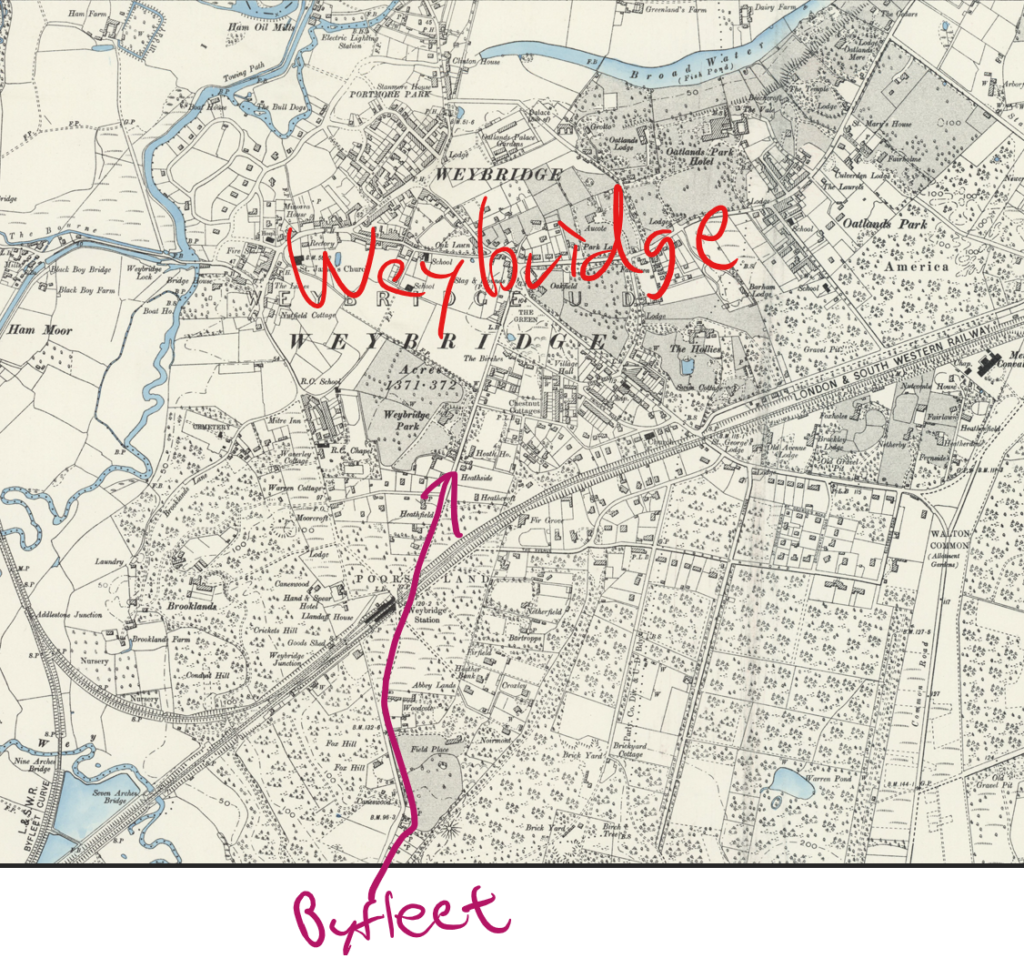
解答編
<英文解釈記号ルール>
〔〕→関係詞句・節
【】→接続詞句・節
《》→挿入句・節
[ ] →名詞句・節
()→副詞句・節
〈〉→形容詞句・節
No one in Weybridge could tell us [where the headquarters* were established]; the whole place was (in such confusion as I had never seen (in any town) (before)). Carts*, carriages* everywhere, (the most astonishing miscellany* of conveyances* and horseflesh*). The respectable inhabitants* of the place, 《men in golf and boating costumes, wives prettily* dressed》, were packing, (river-side loafers* energetically* helping), (children excited, and, 《for the most part》, highly delighted (at this astonishing variation* of their Sunday experiences)). (In the midst of it all) the worthy vicar* was very pluckily* holding an early celebration, and his bell was jangling* out (above the excitement).
1. オレンジのカッコ内に入る関係詞一語はasですね。such~as S V(SVのような~)の形です。thatじゃないです。such~that…のthatは接続詞なので、thatの後ろには完全文が来ないといけません。今回はseenの目的語がないので完全文じゃないです。
2. 青のカッコ内は「respectable」。「-able」は受身の性質を持ちますから、「respectされる」という意味で「ちゃんとした」ですね。
3. 緑のandが繋いでるものは、excitedとdelighted。
4. 赤アンダーラインの主語と動詞は、the respectable inhabitantsがS、were packingがVです。packing以下は独立分詞構文なので、loafersやchildrenのあとにwereを入れて読んであげましょう。
5. 紫のin句はallで終わります。
全訳
軍司令部がどこに立ったのか、ウェイブリッジの住民に聞いても誰も知らなかった。町全域が今までにどんな町でも見たことない混乱に包まれていた。二輪馬車・四輪馬車がいたるところに見られた。乗り物と貨車がこれほどびっくりするくらいゴチャゴチャしているのは初めてだった。ゴルフやボートの服を着ている男や、綺麗に着飾ったりしている妻など、町の良識ある住民は荷造りをしていた。川沿いの浮浪者は精力的に手助けをしていた。子供たちは興奮しており、なにより、いつもの日曜日が驚くほど変わったことにひどく喜んでいた。こうした真っただ中で、立派な教区牧師はとても元気よく朝のミサを行っていた。この興奮状態のなか、教区牧師のベルが騒がしく鳴り響いていた。
第12章 第18段落 (第191話)
問題編
I and the artilleryman, seated* on the step of the drinking fountain, made a very passable* meal upon what we had brought with. Patrols of soldiers—here no longer hussars, but grenadiers* in white—were warning people to move now or to ( ) refuge in their cellars* as soon as the firing began. We saw as we crossed the railway bridge that a growing crowd of people had assembled* in and about the railway station, and the swarming* platform was piled with boxes and packages. The ordinary traffic had been stopped, I believe, in order to allow of the passage* of troops and guns to Chertsey, and I have heard since that a savage* struggle occurred for places in the special trains that were put on* at a later hour.
be seated腰掛ける passableまずまずの grenadier擲弾兵 cellar地下室 assemble集まる swarm人が群がる passage移動 savage過酷な put on(臨時)電車を出す
1. 青アンダーラインの文で誤っている部分を訂正すると?
2. オレンジカッコに「( ) refuge」が「避難する」という意味になるように動詞一語を入れると?
3. 赤アンダーラインの文型表示は?
4. 緑のsinceの品詞は?
drinking fountainはよく公園にあったりする水飲み場でしょうか。
いちおう「fountain(噴水)」なので、上にふき上げるタイプだと思います。

そして「grenadiers」(擲弾兵)が出てきてるわね。ほとんどのみんなは「British Grenadiers」を思い浮かべるかしら。そのグレナディアーズよ。
Grenadiersは歴史と名誉ある歩兵部隊ね。grenade+er=grenadierだから「グレネード(手榴弾)」に関係する部隊なんだけど、最初、グレネードは精鋭しか扱えない武器だったから、その誇りを込めてGrenadiersという部隊名になったわ。
もちろん、時代とともに手榴弾はほとんどの歩兵に配備されるようになるけど、名前だけは当時の威光を伝えているわ。
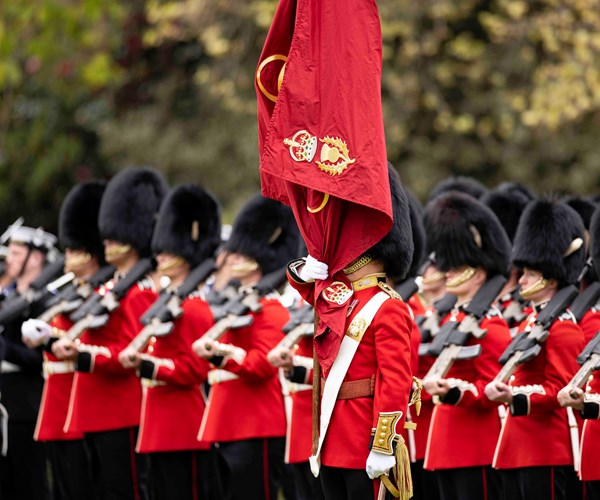
そして、有事の際にはもちろん歩兵として戦闘に加わるけど、儀礼・行事でも活躍する部隊となっていったの。

そしてこちらがrailway map!
チャーツィーへの兵員輸送としてこの段落にも出てきてるけど、鉄道は戦争でめっちゃimportantだよ!
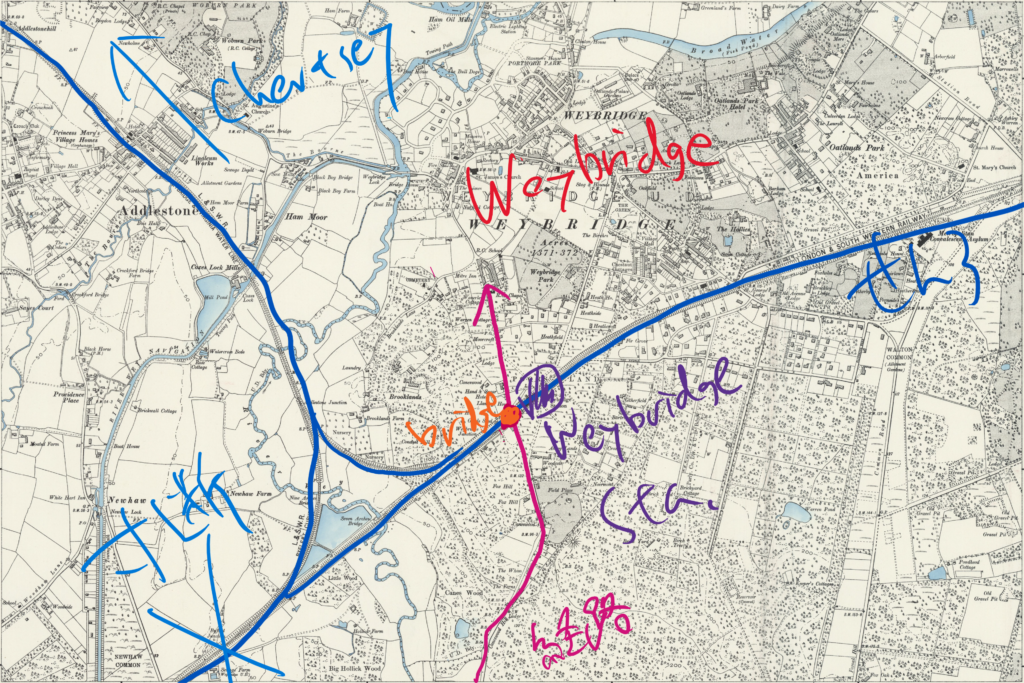
Weybridge近郊はこんな感じにゃ。
たしかに語り手たちはウェイブリッジ駅のそばの線路をわたっていることがわかるにゃ。
解答編
<英文解釈記号ルール>
〔〕→関係詞句・節
【】→接続詞句・節
《》→挿入句・節
[ ] →名詞句・節
()→副詞句・節
〈〉→形容詞句・節
I and the artilleryman, 《seated* on the step of the drinking fountain》, made a very passable* meal upon [what we had brought with us]. Patrols of soldiers《—here no longer hussars, but grenadiers* in white—》were warning people to move (now) or to take refuge (in their cellars*) 【as soon as the firing began】. We saw 《as we crossed the railway bridge》 [that a growing crowd of people had assembled* (in and about the railway station)], and [the swarming* platform was piled with boxes and packages]. The ordinary traffic had been stopped, 《I believe》, (in order to allow of the passage* of troops and guns to Chertsey), and I have heard (since) [that a savage* struggle occurred for places (in the special trains 〔that were put on* (at a later hour)〕).
1. 青アンダーラインの文で誤っている部分を訂正すると、最後に「us」が抜けてますね。「what we had brought with」だと、broughtの後とwithの後の2か所空所があることになってしまいます。
2. オレンジカッコに「( ) refuge」が「避難する」という意味になるように動詞一語を入れると、take / find / seekです。takeがメジャーですかね。
3. 赤アンダーラインの文型表示は、We saw~thatの第三文型です。as節が挿入されていますね。
4. 緑のsinceの品詞は副詞です。
全訳
わたしとミッちゃんは水飲み場の階段に腰を下ろし、持ってきたまずまずの食事をとった。巡回していた兵士はーここではもう騎兵ではなく白服のグレナディアーズだったがー砲撃が始まるとすぐ、ただちに移動するか、地下室に避難するように人々に警告していた。わたしたちが線路にかかる橋を渡るとき、ウェイブリッジ駅の構内に入りきらないほどの群衆がますます集まっていて、混雑したプラットフォームに箱や小包が積まれているのが見てわかった。通常の交通輸送は止まっていたのだと思う。チャーツィーの方に軍と砲を運べるようにするためだ。そしてそのあとに聞いた話だが、その後に出された臨時列車の席をめぐって激しい争いが起こったらしい。
第12章 第19段落 (第192話)
問題編
We remained at Weybridge until midday, and at that hour we found ourselves at the place near Shepperton Lock* where the Wey and Thames join. Part of the time we spent helping two old women to pack a little cart. The Wey has a treble* mouth, and at this point boats are to be hired, and there was a ferry across the river. On the Shepperton side was an inn with a lawn*, and beyond that the tower of Shepperton Church—it has been replaced by a spire*—rose above the trees.
Lock閘門 treble3倍の lawn芝生 spire(教会の)尖塔
1. 赤アンダーラインの文型表示は?
2. 青の a treble mouthはどういうこと?
3. オレンジのbe toの用法は?
4. 紫のitが指しているものは?
とりあえず、まずは今回の地図を出しておくぞ。赤紫色のルートがわたしたちが通って行った道だ。
いろいろ複雑だが、ひとつずつ見ていこう。
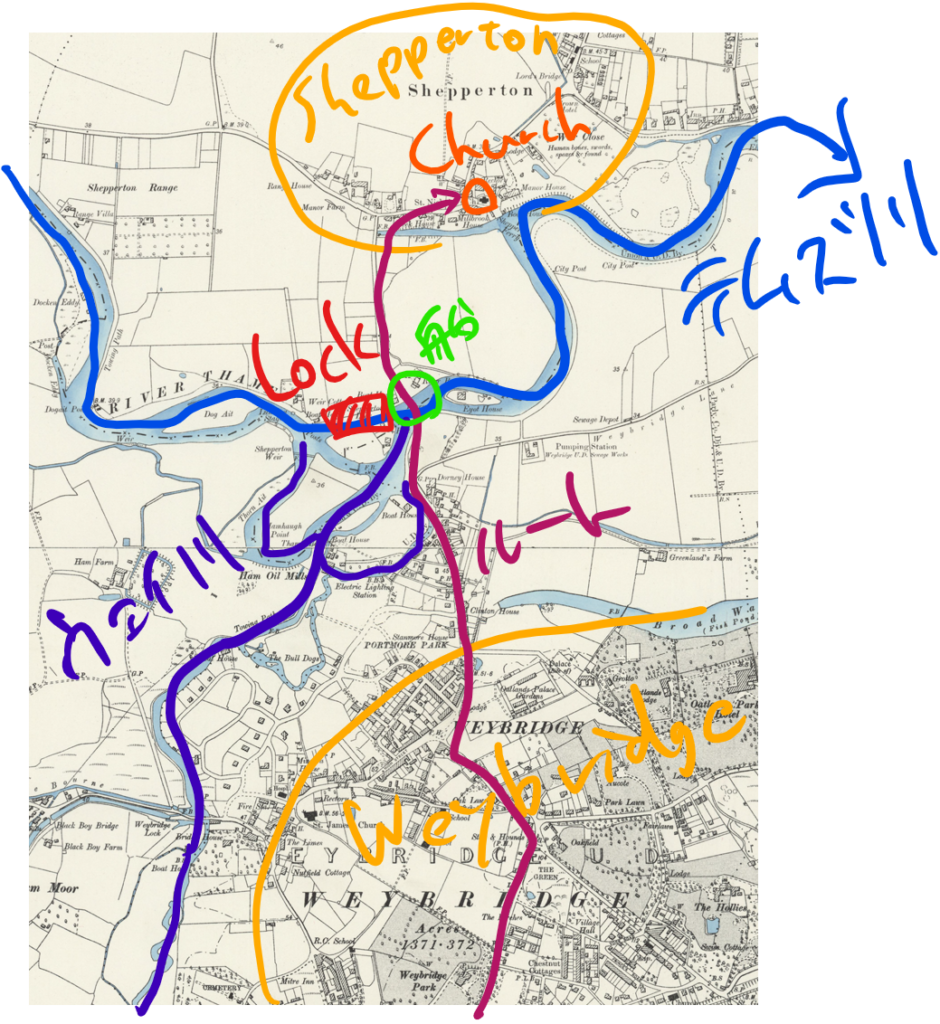
まずは問題にもなってるけど、「a treble mouth」は直訳すると「3倍の河口」ね。
上の地図を見ればかんたん。ウェイ川は3つに分岐して、テムズ川に合流しているのよ。
そして「Shepperton Lock」(上地図赤インク)はその合流地点にある施設だ。
Lockは「閘門」というのが定訳だが、意味もそうだし読み方からして分かりにくいな(「こうもん」だ)。
閘門は水位が違う2つの川・海を繋ぐ水位調整施設だぜ。船が航行するためには欠かせないものだ。

今回はテムズ川とウェイ川を繋ぐ閘門だな。
ストリートビューで見ると、↓こんな感じだ。右側に少し閘門が見えると思う。
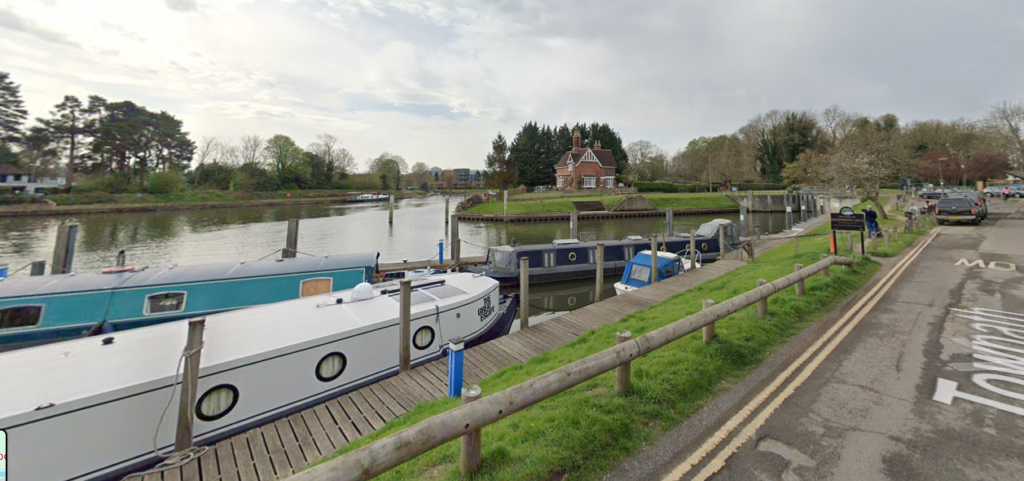
ついでに、ボートもたくさん見えるね!
21世紀でもまだ渡し舟は使われてるよ!
最後に、こちらが「Shepperton Church」よ。
正式には「St. Nicholas Church」といって、起源を7世紀ごろから持つ歴史ある教会ね。
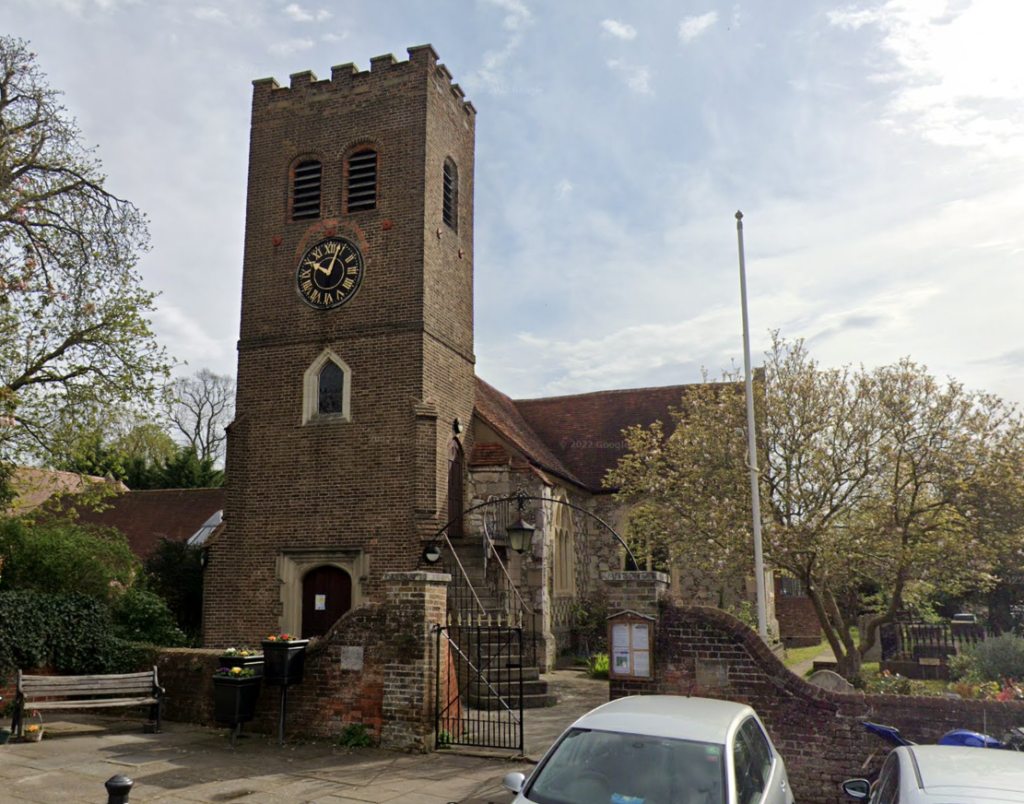
たしかに「tower」がトレードマークだけど、現実のこの塔はそれほど高くないのよね。とてもじゃないけど「rose above the trees」として遠くから見えるものではないわ。
だからこの小説中では「it has been replaced by a spire」として、「より高い塔に改修されてるよ」と架空設定を入れているのだと思うわ。
解答編
<英文解釈記号ルール>
〔〕→関係詞句・節
【】→接続詞句・節
《》→挿入句・節
[ ] →名詞句・節
()→副詞句・節
〈〉→形容詞句・節
We remained (at Weybridge) (until midday), and (at that hour) we found ourselves (at the place near Shepperton Lock*) 〔where the Wey and Thames join〕. Part of the time we spent helping two old women to pack a little cart. The Wey has a treble* mouth, and (at this point) boats are to be hired, and there was a ferry across the river. (On the Shepperton side) was an inn with a lawn*, and (beyond that) the tower of Shepperton Church《—it has been replaced by a spire*—》rose above the trees.
1. 赤アンダーラインの文型表示は、Part of the time we spent のOSV第三文型前置。spend+O+Vingの構造をわかっていればだいじょうぶですね。
2. 青の a treble mouthの説明は上のデナリスちゃんのセリフを見てください。
3. オレンジのbe toの用法は可能か義務。「雇える」あるいは「ボートを雇わないといけない(橋はない)」かのどちらかでしょうかね。
4. 紫のitが指しているものはthe tower。
全訳
わたしたちは正午までウェイブリッジにとどまっていた。そして正午にはウェイ川とテムズ川が合流するシェパートン閘門の近くまで動いた。ウェイブリッジにいた間、2人の老婆が小さな二輪馬車に荷物を詰め込んでいるのを助けたりして時間を使った。ウェイ川は3本に分かれてテムズ川に流れ込んでいるのだが、ここでボートを雇える。そしてこのときも渡し舟があった。シェパートン側には、芝生がある宿屋が立っており、その向こうにはシェパートン教会の塔がーいまは尖塔になっているーが木の中にそびえていた。
ひとつ思ったんだけど、ウェイブリッジにいるはずのマービン准将に報告する義務はどうしたのよ。
どこにもマービン准将いないんだもん。
しかたないじゃん。
かくなる上は、予定通りロンドンに戻るのみだ。
第12章 第20段落 (第193話)
現在、わたしとミカちゃんはテムズ川河畔にいるところだぞっ。
問題編
Here we found an excited and noisy crowd of fugitives*. As yet the flight* had not grown to a panic, but there were already far more people than all the boats going to and fro* could enable to cross. People came panting* along under heavy burdens*; one husband and wife were even carrying a small outhouse* door between them, with some of their household goods piled thereon*. One man told us he meant to try to get away from Shepperton station.
fugitive逃走者 flight逃走 to and fro行ったり来たり pant息切れする burden荷物 outhouse物置小屋 thereonその上に
1. 青アンダーラインの訳は?
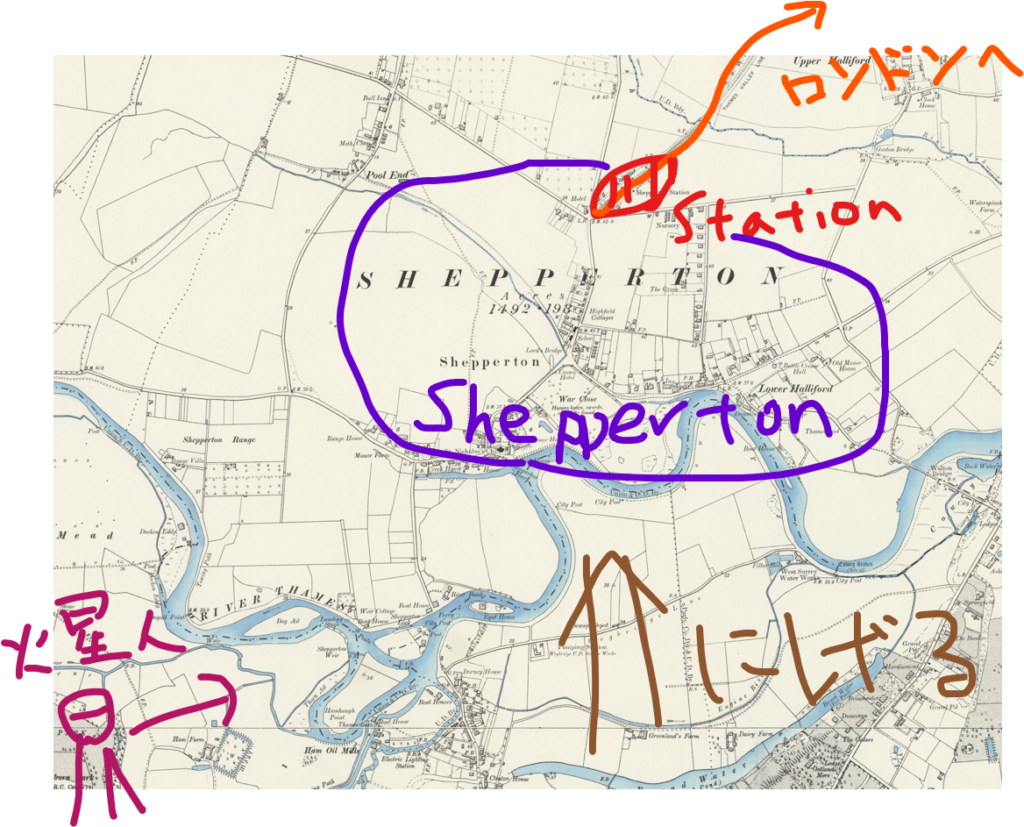
地図ですよ。
Shepperton Stationは「Thames Valley Line」っていう支線の終着駅です。
ここから北東~東方面に向かいまして、ロンドン方面へも行けます。
解答編
<英文解釈記号ルール>
〔〕→関係詞句・節
【】→接続詞句・節
《》→挿入句・節
[ ] →名詞句・節
()→副詞句・節
〈〉→形容詞句・節
(Here) we found an excited and noisy crowd of fugitives*. (As yet) the flight had not grown to a panic, but there were already far more people than all the boats 〈going to and fro〉 could enable to cross. People came panting* along (under heavy burdens*); one husband and wife were even carrying a small outhouse* door (between them), (with some of their household goods piled thereon*). One man told us [he meant to try to get away from Shepperton station].
1. 青アンダーラインは、going to and froを消して、thanのあとに省略されている語句をあえて補うと、「there were far more people than all the boats could enable people to cross the Thames」となります。enable O to Vという語法がわかっていれば、enableのあとに比較対象の「people」が抜けていることが容易にわかるでしょう。
全訳
ここでは、興奮してやかましい避難民の群衆に出くわした。まだこのパニックになって避難しているわけではなかったが、往来するボートが渡せる限度よりはるかに多い人が押し寄せていた。人々は重い荷物を背負って息切れしながら来ていた。ある夫婦はなんと物置小屋のドアを2人で持って、その上に家庭用品を積み上げていた。シェパートン駅から逃げるつもりだと言ってきた人もいた。
それにしても避難の際にこんな大荷物なんてもはやコントだろ
ドアの上に物を乗っけて運ぶとかw
仕方ないわ。イギリスだもん。
第12章 第21段落 (第194話)
問題編
There was a lot of shouting, and one man was even jesting*. The idea people seemed to have here was that the Martians were simply formidable* human beings, who might attack and sack* the town, to be certainly destroyed in the end. Every now and then people would glance* nervously across the Wey, at the meadows* towards Chertsey, but everything over there was still.
jest冗談を言う formidable手ごわい sack略奪する・荒らす glanceちらっと見る meadows草地・牧草地
1. 赤アンダーラインの主語と動詞は?
2. 緑のto不定詞の用法は?
3. 青のatが修飾している語は?
4. 紫のstillの意味は?
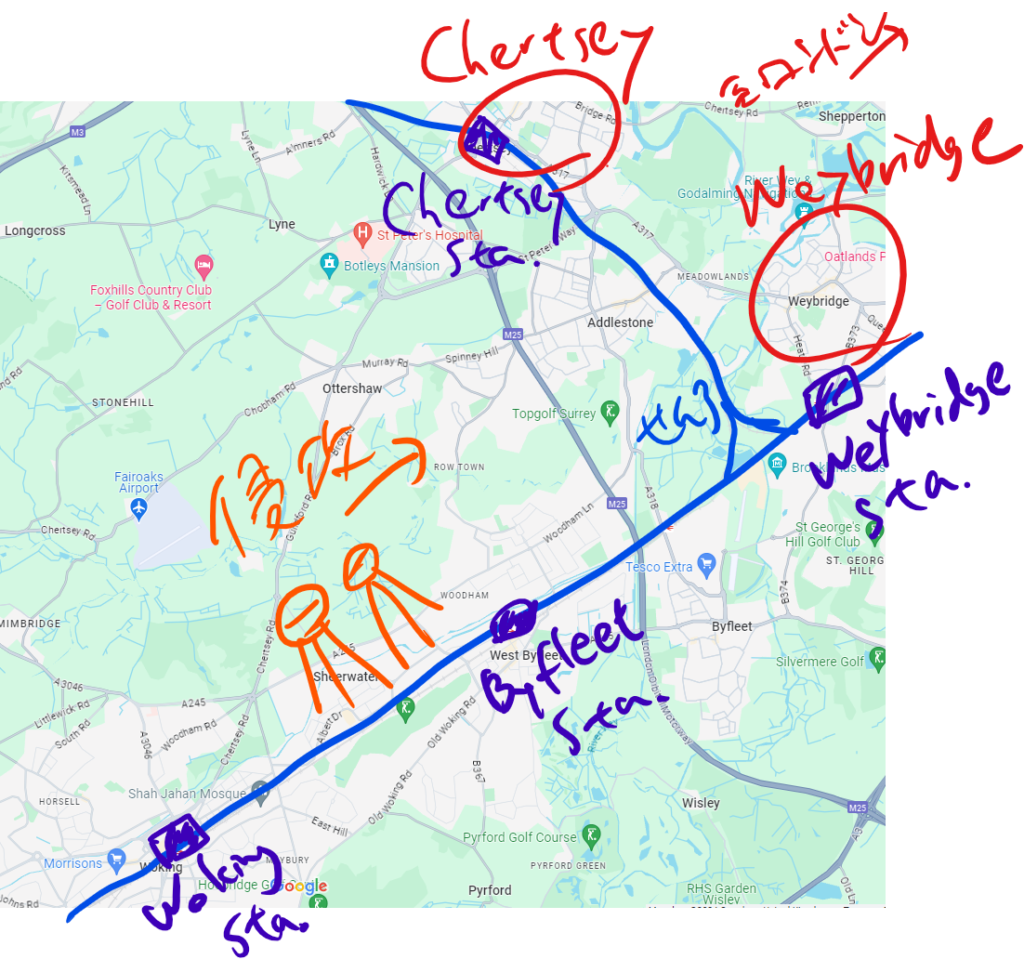
いちおう地図にゃ。
ChertseyはWey川をはさんでWeybridgeの向こう側にある町にゃ。
もう火星人は進撃を開始してるってことは念頭に置いてほしいにゃ。
解答編
<英文解釈記号ルール>
〔〕→関係詞句・節
【】→接続詞句・節
《》→挿入句・節
[ ] →名詞句・節
()→副詞句・節
〈〉→形容詞句・節
There was a lot of shouting, and one man was even jesting*. The idea 〔people seemed to have here〕 was [that the Martians were simply formidable* human beings, 《who might attack and sack* the town》, (to be certainly destroyed (in the end))]. (Every now and then) people would glance* nervously (across the Wey), (at the meadows* towards Chertsey), but everything over there was still.
1. 赤アンダーラインの主語はthe idea, 動詞はwas,補語がthat以下ですね。
2. 緑のto不定詞の用法は結果かな。
3. 青のatが修飾している語はglance。glance at≒look atです。
4. 紫のstillの意味は「静かな」。stillは「動かない」というイメージですね。
全訳
怒号が飛び交っており、ジョークを言っている人までいた。この場で群衆はこんな考えを持っていたように思う。火星人は単に手ごわい人間の仲間で、町を攻撃して荒らすかもしれないが、最後は確実に滅ぼされるだろうという考えだ。ときどき、人々はウェイ川の対岸、チャーツィー方面の草地を不安げに見つめていた。でも、そこはまったく静まりかえっていた。
第12章 第22・23段落 (第195話)
問題編
Across the Thames, except just where the boats landed, everything was quiet, in vivid contrast ( ) the Surrey side. The people who landed there from the boats went tramping* off down the lane. The big ferryboat had just made a journey. Three or four soldiers stood on the lawn* of the inn, staring and jesting* at the fugitives*, without offering to help. The inn was closed, as it was now within prohibited hours.
“What’s that?” cried a boatman, and “Shut up, you fool!” said a man near me to a yelping* dog. Then the sound came again, this time from the direction of Chertsey, a muffled* thud*—the sound of a gun.
trampてくてく歩く lawn芝生 jest冗談を言う fugitive避難民 yelp叫び声を上げる muffledこもった thudドーンという音
1. 赤に適切な前置詞一語を入れると?
2. オレンジのasの意味は?
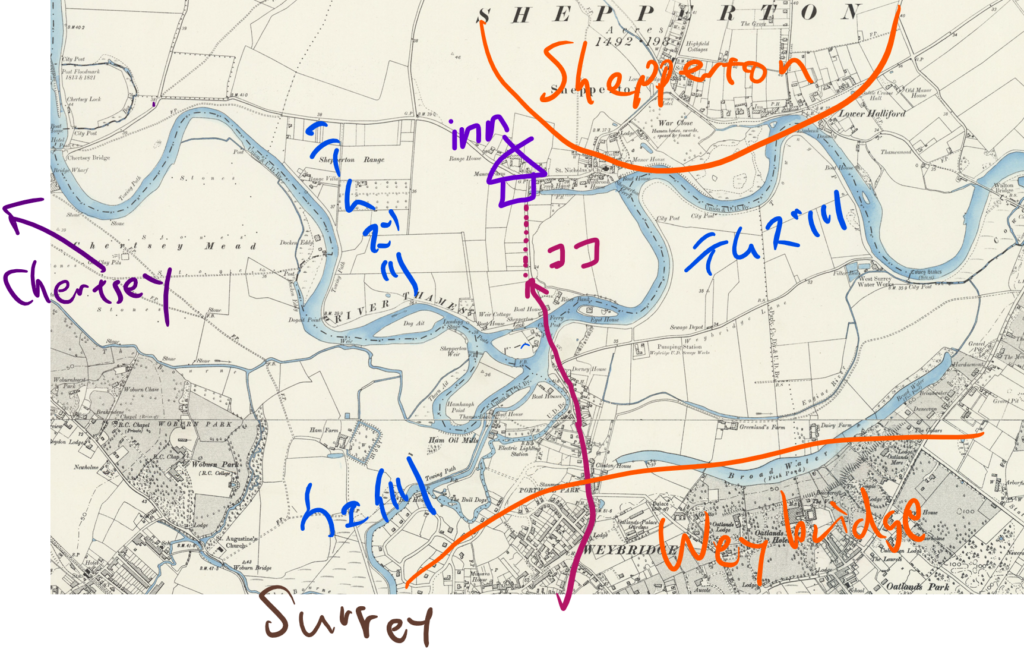
今回のMapだよ。
「Surrey side」というのは、テムズ川をはさんでウェイブリッジ側のことだろうね。
Surreyというのはカウンティっていう大きな地域区分で、都道府県みたいなものだけど、あんまり気にしなくていいよ!
「inn(宿屋)」が閉まっていた理由が「prohibited hours(営業禁止時間)」ってあるけどさ、風営法みたいな法律があるのか? ほら、21世紀の日本では、ホストクラブは深夜12時までしか営業しちゃいけないとか決まってるぜ。
ひょっとして、ここラブホとかのR18系の宿屋か?
なわけないでしょ。
まずね、「inn」は単なる宿泊施設じゃなくて、飲み屋(パブ)もセットになってるものが一般的よ。パブが1階、宿泊部屋が2階、みたいな感じね。
そして、風営法的な法律(イギリスではLicensing Act)によってパブの営業時間が決められてるから、時間外の今は宿屋ごと閉鎖してたってわけ。
もう少し細かく言うと、1874年改正のLicensing Actによって、以下のように決められたわ。
3. All premises in which intoxicating liquors are sold by retail shall be closed as follows;
<中略>
(3.) If situate elsewhere than in the metropolitan district or the metropolitan police district or such town or populous place as aforesaid,—
(a.) On Saturday night from ten o’clock until half an hour after noon on the following Sunday; and
(b.) On Sunday night from ten o’clock until six o’clock on the following morning; and
(c.) On the nights of all other days from ten o’clock until six o’clock on the following morning.
条文引用元:https://www.irishstatutebook.ie/eli/1874/act/49/enacted/en/print.html
参考論文:https://crecib.org/wp-content/uploads/2017/04/11john-greenaway.pdf
(首都圏以外では)土曜の夜10時~日曜の昼12時半まで閉店が義務付けられているの。
日曜日は安息日だから朝から酒飲むなってことよ。ヴィクトリア朝はこういう保守的な考えが強かったからね。もちろん、21世紀ではこんな制限はないわ。
わたしたちがinnにたどり着いたのはちょうど日曜の12時ごろだから、まだギリギリ開いてないってとこだ。ひょっとするとこのinnの芝生にいる兵士は、innがオープンするのを待ってるのかもしれないな。
解答編
<英文解釈記号ルール>
〔〕→関係詞句・節
【】→接続詞句・節
《》→挿入句・節
[ ] →名詞句・節
()→副詞句・節
〈〉→形容詞句・節
(Across the Thames), (except just where the boats landed), everything was quiet, (in vivid contrast with the Surrey side). The people 〔who landed there (from the boats)〕 went tramping* off (down the lane). The big ferryboat had just made a journey. Three or four soldiers stood (on the lawn* of the inn), (staring and jesting* at the fugitives*, (without offering to help)). The inn was closed, 【as it was now within prohibited hours】.
“What’s that?” cried a boatman, and “Shut up, you fool!” said a man near me to a yelping* dog. Then the sound came again, this time from the direction of Chertsey, a muffled* thud*—the sound of a gun.
1. 赤に適切な前置詞一語を入れるとwithもしくはtoです。in contrast to[with]で「~と対照的に」ですね。
2. オレンジのasの意味は「~ので」。
全訳
テムズ川を越えると、渡し場のところ以外はすべて静かで、サリー側とは対照的だった。ボートからおりてきた人々は小道をてくてく歩いていった。そして大きな渡舟がちょうど離岸したところだった。3、4人の兵士が宿屋の芝地に立って、避難民をじろじろ見ながらジョークを飛ばしていたが、助けを申し出たりはしていなかった。営業禁止時間だったので宿屋は閉まっていた。
「いったいなんなんだ?」と船頭が叫んだ。そして「黙れバカもん!」と、近くの人が吠えている犬に叫んでいた。そのとき、またあの音がした。今回はチャーツィーの方から聞こえ、籠ったドーンという音だった。砲撃音だ。
第12章 第24段落 (第196話)
問題編
The fighting was beginning. Almost immediately unseen batteries across the river to our right, unseen because of the trees, took up* the chorus*, firing heavily one after the other. A woman screamed. Everyone stood arrested by the sudden stir* of battle, near us and yet invisible to us. Nothing was to be seen save flat meadows*, cows feeding unconcernedly* for the most part, and silvery* pollard* willows* motionless in the warm sunlight.
“The sojers’ll stop ’em,” said a woman beside me, doubtfully*. A haziness* rose over the treetops.
take upはじめる chorus一斉射撃 stir動き meadow牧草地 unconcernedly無関心で silvery銀白色の pollard枝を刈り込んだ willow柳 doubtfully疑わしそうに hazinessもや
1. 青アンダーラインの主語と動詞は?
2. オレンジのbe toの用法は?
3. 緑のsaveの意味は?
4. 紫のandが繋いでるものは?
5. 赤アンダーラインを書き言葉に直すと?
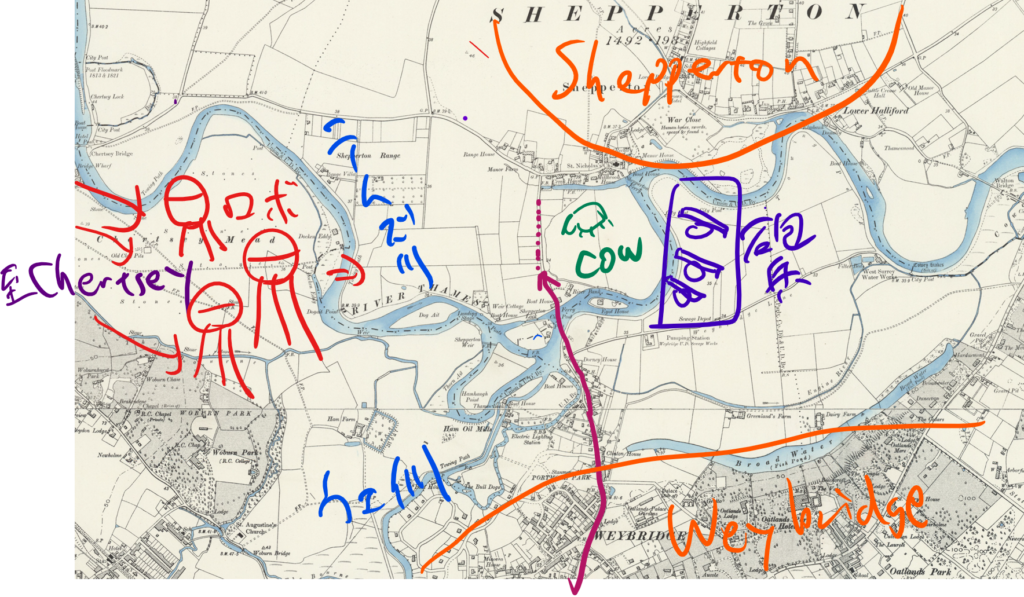
Mapだぜ。
ここでの砲撃先のロボットたちは、Chertsey防衛隊を突破してきたやつらだと見ればいいな。
解答編
<英文解釈記号ルール>
〔〕→関係詞句・節
【】→接続詞句・節
《》→挿入句・節
[ ] →名詞句・節
()→副詞句・節
〈〉→形容詞句・節
The fighting was beginning. (Almost immediately) unseen batteries 〈across the river to our right〉, 《unseen because of the trees》, took up* the chorus*, (firing heavily one after the other). A woman screamed. Everyone stood arrested (by the sudden stir* of battle, (near us) and yet (invisible to us)). Nothing was to be seen (save flat meadows*, cows 〈feeding unconcernedly* for the most part〉, and silvery* pollard* willows* 〈motionless in the warm sunlight〉).
“The sojers’ll stop ’em,” said a woman beside me, doubtfully*. A haziness* rose (over the treetops).
1. 青アンダーラインの主語はunseen batteries、動詞はtook up。
2. オレンジのbe toの用法は可能ですね。「be not to be seen」の形はよく見ます。
3. 緑のsaveの意味は「~を除いて」(≒except)。1900年ごろの文章では特に頻出です。覚えてください。
4. 紫のandが繋いでるものは、flat meadows, cows, silvery pollard willows。
5. 赤アンダーラインを書き言葉に直すと、「The soldiers will stop them」ですね。
全訳
戦闘が始まりだした。ほぼ直後、右手の川の対岸の砲兵中隊が、木に隠れて見えなかったが、一斉射撃を開始した。次々と重火力を投射していった。ある女性は悲鳴を上げた。戦闘がこんなに近くで、でもよく見えないうちに突然はじまったことでみんな呆然としていた。平らな牧草地や、ウシがほとんど無関心で草をはんでいるようす、暖かい日差しの中微動だにしない銀白色の刈り込まれた柳といったものしか見えなかった。
「兵士が食い止めてくれるだろうかね」と隣の女性が疑わしそうに言った。もやがこずえに立ち込めていた。
第12章 第25段落 (第197話)
問題編
Then suddenly we saw a rush* of smoke far away up the river, a puff of smoke that jerked* up into the air and hung*; and forthwith* the ground heaved* under foot and a heavy explosion shook the air, smashing two or three windows in the houses near, and leaving us astonished.
“Here they are!” shouted a man in a blue jersey*. “Yonder*! D’yer see them? Yonder!”
rush急ぐこと jerk急に上に動く hang立ち込める forthwith直ちに heave波打つ jerseyジャージ yonderかなた・むこうに
1. オレンジのandが繋いでるものは?
2. 紫のandが繋いでるものは?
3. 青アンダーラインを書き言葉に直すと?
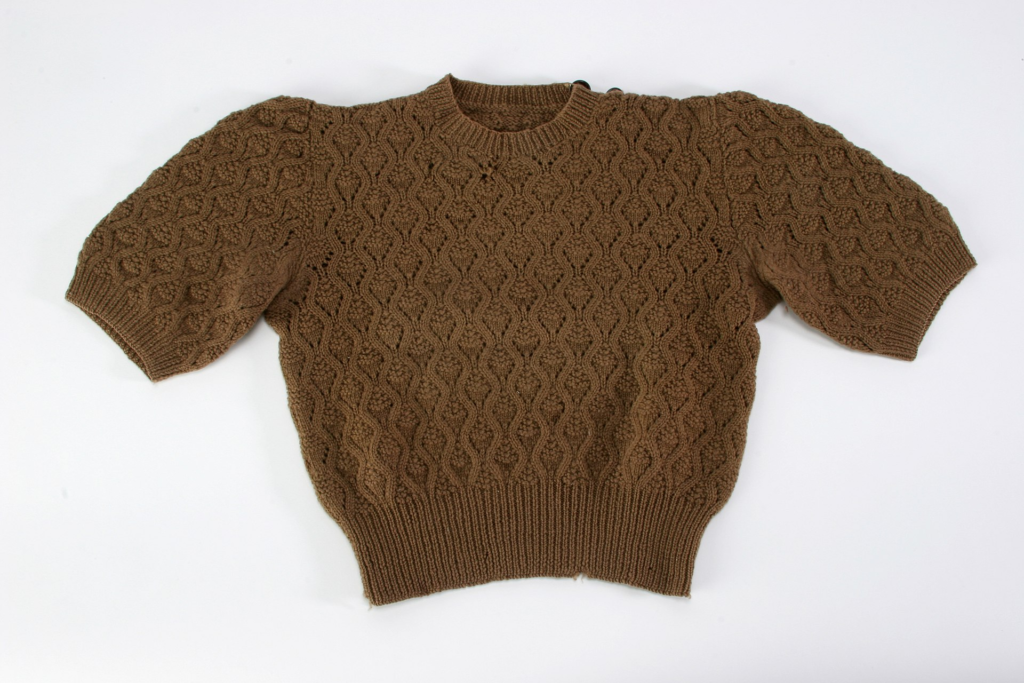
ジャージ(jersey)って1900年ごろでもあったんですね!
あれよ、スポーツやってる人が着るものじゃなくて、こんな感じの普通のセーター的なやつだから。
解答編
<英文解釈記号ルール>
〔〕→関係詞句・節
【】→接続詞句・節
《》→挿入句・節
[ ] →名詞句・節
()→副詞句・節
〈〉→形容詞句・節
(Then) (suddenly) we saw a rush* of smoke (far away) (up the river), a puff of smoke 〔that jerked* up (into the air) and hung*〕; and (forthwith*) the ground heaved* under foot and a heavy explosion shook the air, (smashing two or three windows in the houses near), and (leaving us astonished).
“Here they are!” shouted a man in a blue jersey*. “Yonder*! D’yer see them? Yonder!”
1. オレンジのandが繋いでるものは、jerked upとhung。過去形どうしですね。
2. 紫のandが繋いでるものは、smashingとleaving。
3. 青アンダーラインを書き言葉に直すと、Do[Did] you see themかな。
全訳
そのとき突然、上流の遠くの方で煙が噴出するのが見えた。その煙は空高く上り漂った。ただちに足元の地面が波打ち、重い爆発が空気を震わせた。それによって近くの家の2、3の窓が割れ、わたしたちはびっくりして立ち尽くした。
「やつらが来たぞ!」と青のジャージを着た人が叫んだ。「向こうだよ!見たか?向こうだ!」
第12章 第26段落 (第198話)
問題編
Quickly, one after the other, one, two, three, four of the armoured* Martians appeared, far away over the little trees, across the flat meadows that stretched* towards Chertsey, and striding* hurriedly* towards the river. Little cowled* figures did they seem at first, going with a rolling* motion and as fast as flying birds.
armoured装甲の stretch伸びている stride大またで歩く hurriedly急いで cowled頭巾をかぶった roll滑らかに走る
1. オレンジのandが繋いでるものは?
2. 赤アンダーラインで誤っている部分を訂正すると?
Here’s today’s map!
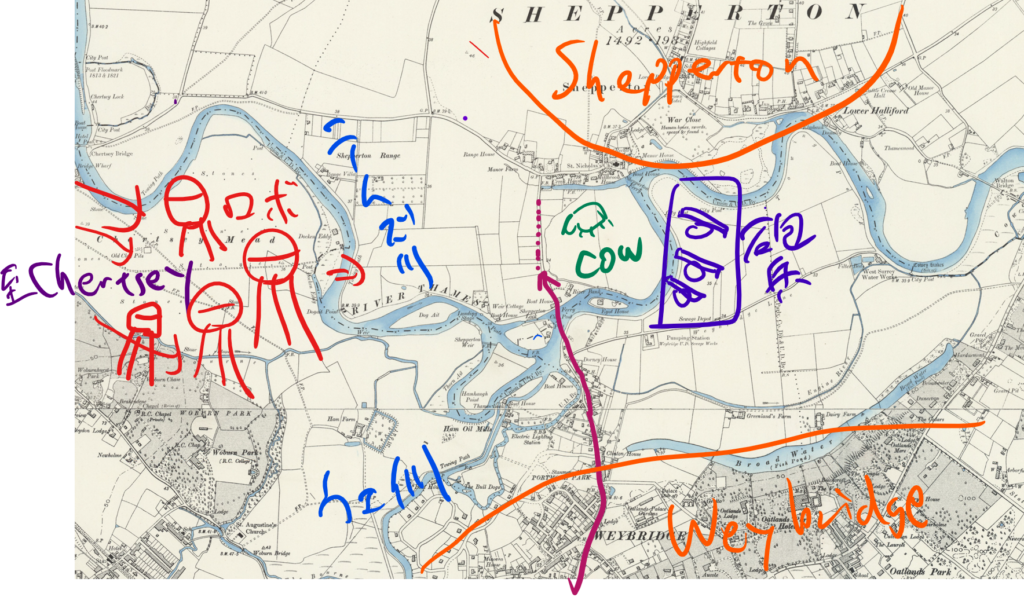
あれ、なんでロボの4体目がいるんですか?
1体目ー金曜朝:Horsell Commonに着陸。
2体目ー金曜夜:Byfleet Golf Linkに着陸。
3体目ー土曜夜:Pyrfordに着陸。
が今まででしたよね。
二人が土曜深夜に家に隠れてる間、Horsell Commonあたりに着陸してたと推測するしかないわね。
解答編
<英文解釈記号ルール>
〔〕→関係詞句・節
【】→接続詞句・節
《》→挿入句・節
[ ] →名詞句・節
()→副詞句・節
〈〉→形容詞句・節
(Quickly), (one after the other), one, two, three, four of the armoured* Martians appeared, (far away over the little trees), (across the flat meadows 〔that stretched* towards Chertsey〕), and (striding* hurriedly* towards the river). Little cowled* figures they seemed (at first), (going with a rolling* motion) and (as fast as flying birds).
1. オレンジのandが繋いでるものは、far away~, across~, stridingの3つの分詞構文ですかね。
2. 赤アンダーラインは、did they seem→they seemedのように訂正すればOKです。
「Little cowled figures did they seem」は一見、否定語littleが文頭に出ているから大丈夫そうに見えますが、このlittleは「小さい」という意味で否定語ではありませんので、倒置をしてはいけません。ここは原文では「Little cowled figures they seemed」となっており、CSV第2文型前置でした。
全訳
素早く次々と、小さい林に遮られていた1、2、3、4機の装甲火星ロボが遠くに見えた。チャーツィー方向にのびている平らな牧草地の方から、この川めがけて急いで大またで走ってきていた。最初は、小さなフードをかぶった姿で、飛ぶ鳥と同じくらいのスピードで滑らかに走っているように見えた。
第12章 第27段落 (第199話)
問題編
Then, advancing obliquely* towards us, came a fifth. Their armoured bodies glittered* in the sun as they swept* swiftly* forward upon the guns, growing rapidly larger as they drew nearer. One on the extreme left, the remotest that is, flourished* a huge case high in the air, and the ghostly*, terrible Heat-Ray I had already seen on Friday night smote* towards Chertsey, and struck the town.
obliquely斜めに glitterぴかぴか光る sweep押し寄せる swiftly素早く flourish見せびらかす ghostlyぼんやりした smite襲う
1. 赤のasの意味は?
2. 青のandが繋いでるものは?
うげっ。5体目までいるじゃないですか。
そりゃまあ、5体くらいいないとロンドンに侵攻開始しないでしょ。
解答編
<英文解釈記号ルール>
〔〕→関係詞句・節
【】→接続詞句・節
《》→挿入句・節
[ ] →名詞句・節
()→副詞句・節
〈〉→形容詞句・節
Then, (advancing obliquely* towards us), came a fifth. Their armoured bodies glittered* (in the sun) 【as they swept* swiftly* (forward upon the guns)】, (growing rapidly larger 【as they drew nearer】). One on the extreme left, 《the remotest that is》, flourished* a huge case (high in the air), and the ghostly*, terrible Heat-Ray 〔I had already seen (on Friday night)〕 smote* (towards Chertsey), and struck the town.
1. 赤のasの意味は「~につれて」。比較級と一緒だったらこの意味を疑いましょう。
2. 青のandが繋いでるものは、smoteとstruck。
全訳
そして、斜めに進んでくる5体目もいた。装甲で覆われたロボの機体は太陽の光を受け、大砲の方めがけて素早く押し寄せてく際にピカピカ輝いていた。その姿は近くなるにつれて急に大きくなっていった。一番左にいる機は、最も遠いところにいたのだが、空高く巨大なケースを見せびらかすようにした。そしてわたしが金曜の夜に一度見たぼんやりとしながらも恐ろしいレーザー光線でチャーツィーを焼き払い、壊滅させた。
この「ケース」っていうのは火星人のレーザー光線発射装置だな。
意外とコンパクトだ。
第12章 第28段落 (第200話)
やっと第200話に到達したぞ! みんなありがとう!
問題編
At sight of these strange, swift*, and terrible creatures the crowd near the water’s edge seemed to me to be for a moment horror-struck*. There was no screaming or shouting, but a silence. Then a hoarse* murmur* and a movement of feet—a splashing* from the water. A man, too frightened to drop the portmanteau* he carried on his shoulder, swung* round and sent me staggering* with a blow* from the corner of his burden. A woman thrust* at me with her hand and rushed past me. I turned with the rush of the people, but I was not too terrified for thought. The terrible Heat-Ray was in my mind. To get under water! That was it!
“Get under water!” I shouted, unheeded*.
swift素早い horror-struck恐怖で硬直した hoarseかすれた murmurつぶやき声 portmanteau旅行カバン splash水をはねる swingくるっと回る staggerよろめく blow強打 thrust押す unheed無視する
1. 赤のandが繋いでるものは?
2. 青アンダーラインの訳は?
3. 紫のandが繋いでるものは?
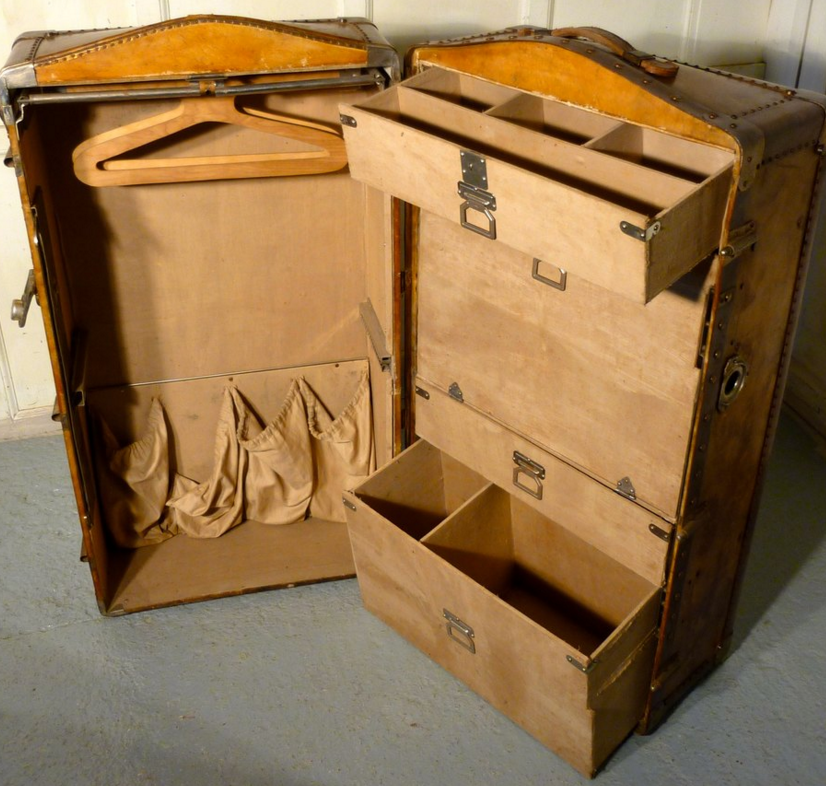
こちらが「portmanteau」(旅行カバン)ね。
もうちょっと小さかったかもしれないわ。
解答編
<英文解釈記号ルール>
〔〕→関係詞句・節
【】→接続詞句・節
《》→挿入句・節
[ ] →名詞句・節
()→副詞句・節
〈〉→形容詞句・節
(At sight of these strange, swift*, and terrible creatures) the crowd near the water’s edge seemed 《to me》 to be 《for a moment》 horror-struck*. There was no screaming or shouting, but a silence. Then a hoarse* murmur* and a movement of feet—a splashing* from the water. A man, 《too frightened to drop the portmanteau* 〔he carried on his shoulder〕》, swung* round and sent me staggering* (with a blow* from the corner of his burden). A woman thrust* (at me) (with her hand) and rushed (past me). I turned (with the rush of the people), but I was not too terrified (for thought). The terrible Heat-Ray was (in my mind). To get under water! That was it!
“Get under water!” I shouted, (unheeded*).
1. 赤のandが繋いでるものは、swungとsent。
2. 青アンダーラインについて、A manがS、swungとsentがVです。sent O Vingの形で「OにVさせる」ですね。使役動詞の仲間みたいなやつですが、sent O Vではないので注意しましょう。
3. 紫のandが繋いでるものは、thrustとrushed。thrustの活用はthrust-thrust-thrustで変わりません。
全訳
これらの奇妙で速く恐ろしい生物を見て、川べりの群衆がしばらくの間恐怖でうたれていたようにわたしには思えた。悲鳴や叫び声はなく、静寂が支配していた。そして、かすれたささやき声と足音ー水をバジャバジャはねる音ーがした。ある男は、とてもぎょっとして肩にしょっていた旅行カバンを手放してしまった。そしてその男が振り向くと、荷物の角がぶつかってわたしはよろめいてしまった。ある女の人は手でわたしを押しのけて走り去っていった。わたしは人々が走り始めたのに合わせて逃げ始めたが、ある考えがあったのでそこまでパニックではなかった。あのおそろしいレーザー光線は脳裡に焼き付いていた。水に潜ればよいのだ!それだ!
「水に潜れ!」とわたしは叫んだ。でも、届いていないようだった。
200話の節目回で悪いんだが、わたしもマホちゃんも自分の身を守るのに精いっぱいだったから、この段落あたりで自然とマホちゃんとの共同行動は解消されてしまうんだ。
だな。現役兵士のミカちゃんと一緒だったら心強かったのに。かなしい。
あれっ、ここで別れるってことは、つまり死亡ルートまっしぐら?
…一緒の行動が解消されたってだけで、まだ死んでないんだけど。
あなたは死なないわ。わたしが守るもの。(n回目)
あんたに守ってもらわなくても小説中で生き延びてみせるわ。
とゆーことで、ミカちゃんがどうなったかっていうのは、だいぶあとに小説中で言及されるんで、期待しててくれ。
第12章 第29段落 (第201話)
1 foot≒30㎝
1 yard≒0.9mよ。
問題編
I faced* about again, and rushed towards the approaching Martian, rushed right down the gravelly* beach and headlong* into the water. Others did the same. A boatload* of people putting back* came leaping out* as I rushed past. The stones under my feet were muddy* and slippery*, and the river was so low that I ran perhaps twenty feet scarcely waist-deep*. Then, as the Martian towered* overhead scarcely a couple of hundred yards away, I flung* myself forward under the surface. The splashes of the people in the boats leaping* into the river sounded like thunderclaps* in my ears. People were landing hastily* on both sides of the river. But the Martian machine ( ) no more notice for the moment of the people running this way and that than a man would of the confusion of ants in a nest against which his foot has kicked. When, half suffocated*, I raised my head above water, the Martian’s hood pointed at the batteries that were still firing across the river, and as it advanced it swung* loose* what must have been the generator of the Heat-Ray.
face向く gravelly砂利混じりの headlongがむしゃらに boatload船一隻に乗った put back(船が)引き返す leap out飛び出す muddy泥だらけの slippery滑りやすい waist-deep腰の深さ tower高くそびえる fling(-flung-flung)激しく身を投げる leap飛び込む thunderclap雷鳴 hastily急いで(<haste) suffocate窒息死する swing揺らす loose固定されていない
1. オレンジのandが繋いでるものは?
2. 赤アンダーラインの文型表示は?
3. 赤のscarcelyの意味は?
4. 茶色のカッコ内に入る動詞一語は?
5. 青アンダーラインの訳は?
地図はこんな感じですにゃ。
「rushed towards the approaching Martian」の記述と、「boat」がたくさんいるという記述、あとは後の段落の内容から、なんとなくリッちゃんの場所がわかりますにゃ(Sheppertonの南側の川岸)。
そこから「200ヤード(180m)」くらいしかロボが離れてないということですけど、結構地図で見ると近いですにゃ。
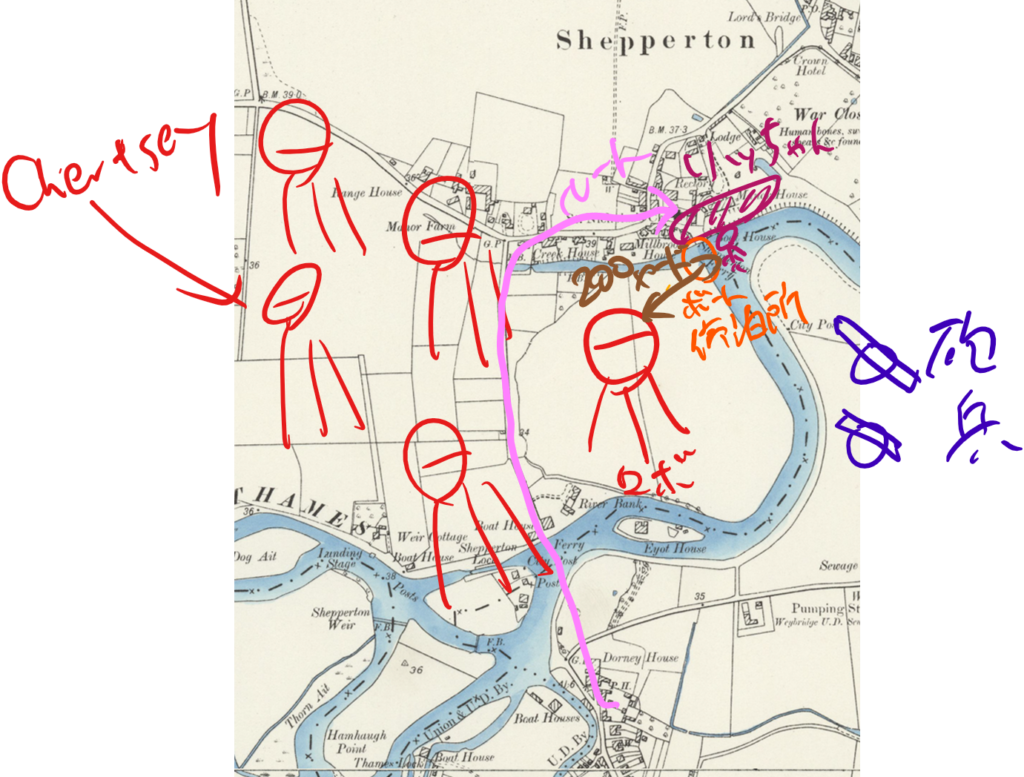
あ、5体のロボの配置は適当よ。
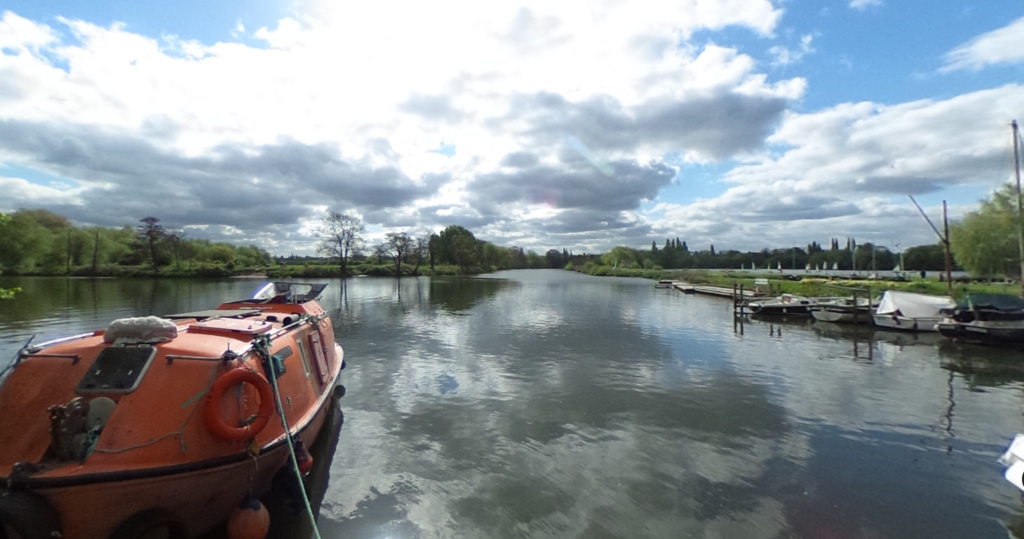
ちなみに、いま見ている景色をストリートビューで見てみるとこんな感じになるの。
解答編
<英文解釈記号ルール>
〔〕→関係詞句・節
【】→接続詞句・節
《》→挿入句・節
[ ] →名詞句・節
()→副詞句・節
〈〉→形容詞句・節
I faced* (about) (again), and rushed (towards the approaching Martian), rushed (right down the gravelly* beach) and (headlong* into the water). Others did the same. A boatload* of people 〈putting back*〉 came (leaping out*) 【as I rushed past】. The stones under my feet were muddy* and slippery*, and the river was so low that I ran (perhaps twenty feet) scarcely waist-deep*. Then, 【as the Martian towered* (overhead) (scarcely a couple of hundred yards away)】, I flung* myself forward (under the surface). The splashes 〈of the people in the boats 〈leaping* into the river〉〉 sounded like thunderclaps* in my ears. People were landing hastily* (on both sides of the river). But the Martian machine took no more notice 《for the moment》 (of the people 〈running this way and that〉) than a man would (of the confusion of ants in a nest 〔against which his foot has kicked〕). 【When, 《half suffocated*》, I raised my head (above water)】, the Martian’s hood pointed (at the batteries 〔that were still firing across the river〕), and 【as it advanced】 it swung* loose* [what must have been the generator of the Heat-Ray].
1. オレンジのandが繋いでるものは、right~とheadlong~。rushedに繋がる副詞句ですね。
2. 赤アンダーラインの文型表示は、I ranがSVですけど、scarcely waist-deepがCだと見ると良いと思います。主語の状態を表していますからね。perhaps twenty feetはranの長さを説明しているので副詞句です。
3. 赤のscarcelyの意味は「かろうじて」あたり。
4. 茶色のカッコ内に入る動詞一語はtook。「take notice of」で「注意を向ける」とか。
5. 青アンダーラインは、no more~than…「…でないのと同様に~ない」の文章です。thanのあとは、a man would take notice of the…が元々です。
あと、no more notice のあとのfor the momentは挿入ってことに気をつけましょう。
全訳
わたしは再びあたりを見回し、接近している火星軍めがけて走り出した。砂利の岸辺ぎりぎりを走っていき、がむしゃらになって川に飛び込んだ。他の人も同じことをしていた。引き返していく船に乗った人々も、わたしが通り過ぎるときに飛び出していた。足元の石は泥だらけですべりやすかった。川はとても水位が低かったので、およそ20フィート(≒6m)くらい走るまでは腰までの深さだった。そのとき、ロボが頭上高く、200ヤード弱の距離にそびえ立っているのが見えた。わたしは水面に身を投げ出した。ボートに乗っていた人が川に飛び込むときに水しぶきを上げていたが、その音は雷鳴のように聞こえた。人々は急いで川の両岸に上陸していた。でも火星人のロボは、そのときは、群衆があちこち走り回っているのは気に留めていなかった。蹴とばしたアリの巣の混乱に人間が注意を向けないのと同じである。半分窒息しそうになりながら水面から頭を出したとき、火星人の上部装甲は川の対岸でまだ砲撃している砲兵中隊へと向いていた。ロボが前進するとき、レーザー光線のジェネレーターだったに違いない物体はロボにぶらさがってぶらぶらと揺れていた。
ずっと「hood」(フード・頭巾)っていう単語が使われてるけど、ロボットの頭部をフードに例えるなんて変な文章だぜ。
悪かったな。
嫌だったら適当に「頭部装甲」とか訳してくれ。
第12章 第30段落 (第202話)
1文目の「it」は火星人ロボのことよ。
問題編
In another moment it was on the bank*, and in a stride wading* halfway across. The knees of its foremost* legs bent at the farther bank, and in another moment it had raised itself to its full height again, close to the village of Shepperton. Forthwith* the six guns which, unknown to anyone on the right bank, had been hidden behind the outskirts* of that village, fired simultaneously*. The sudden near concussion*, the last close upon the first, made my heart jump. The monster was already raising the case generating the Heat-Ray as the first shell burst six yards above the hood.
bank岸 wade川を渡る foremost最も前方の forthwith直後に outskirts~の外れ simultaneously同時に concussion激しい砲撃の震動
1. 赤アンダーラインの訳は?
2. 青のasの意味は?
Mapはこんな感じ~!
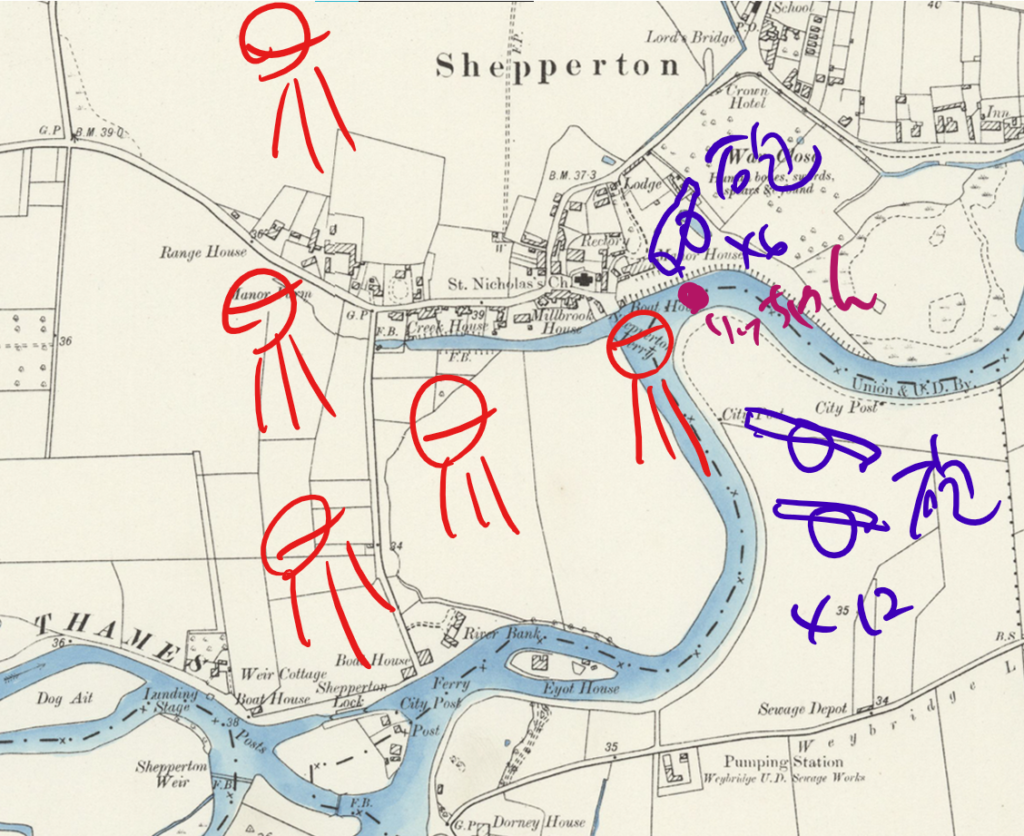
砲の配置ははっきりしない部分はあるが、概ね上図のような感じだろう。
いちおう、十字砲火にはなってるわけだな。
12門の砲がまず射撃を加えて、十分に火星人を川まで引き付けたら、シェパートン村に隠しておいた6門で側面から狙うという寸法だろう。見事だ。
解答編
<英文解釈記号ルール>
〔〕→関係詞句・節
【】→接続詞句・節
《》→挿入句・節
[ ] →名詞句・節
()→副詞句・節
〈〉→形容詞句・節
(In another moment) it was on the bank*, and (in a stride) wading* (halfway across). The knees of its foremost* legs bent (at the farther bank), and (in another moment) it had raised itself (to its full height) (again), (close to the village of Shepperton). (Forthwith*) the six guns 〔which, 《unknown to anyone on the right bank》, had been hidden (behind the outskirts* of that village)〕, fired simultaneously*. The sudden near concussion*, 《the last close upon the first》, made my heart jump. The monster was already raising the case 〈generating the Heat-Ray〉 【as the first shell burst six yards above the hood】.
1. 赤アンダーラインについては、無生物主語・名詞構文で訳すのはいいとして、the last close upon the firstがちょっとわかりにくいです。でも「最初にすぐ近い最後(の砲撃)」ということですので、「ほぼ同時に」くらいかなと思います。
2. 青のasの意味は「~のとき」
全訳
次の瞬間、ロボは岸辺にいて、ひとまたぎで川を半分渡った。関節を曲げて少し先の岸に前足を伸ばし、次の瞬間、シェパートン村の近くでまたまっすぐ立ち上がった。ただちに、シェパートン村の外れに隠されていた6門の砲が同時に砲撃を敢行した。この大砲の存在は右岸の人は誰も知らなかった。近くでほぼ同時に突然砲撃した震動で、わたしの心臓は飛び上がった。頭部装甲の上6ヤード(≒5.4m)で最初の砲弾が爆発したが、そのときその怪物はすでにレーザー光線を放つ装置を高く上げていた。
だいじょうぶだとは思うけど、砲兵が使う砲弾は榴弾(≒爆弾)だからな。
徹甲弾(≒鉄の塊)じゃないから、空中で「burst」するんだ。
ちな、HEで火星人の装甲にダメージ与えられるのか?
エヴァとかで通常兵器が効かないのはお約束みたいなもんだから期待はしてないがな。
その答え合わせは次段落になるかな。
第12章 第31・32・33段落 (第203話)
問題編
I gave a cry of astonishment. I saw and thought nothing of the other four Martian monsters; my attention was riveted* upon the nearer incident. Simultaneously* two other shells* burst in the air near the body as the hood twisted round in time to receive, but not in time to dodge*, the fourth shell.
The shell burst clean in the face of the Thing. The hood bulged*, flashed, was whirled* off in a dozen tattered* fragments of red flesh* and glittering* metal.
“Hit!” shouted I, with something between a scream and a cheer*.
I heard answering shouts from the people in the water about me. I could have leaped out* of the water with that momentary* exultation*.
(attention) be riveted upon[on]釘付けになる simultaneously同時に shell砲弾 dodge避ける(cf. ドッジボール) bulge膨らむ・外側に突き出る(to bend outward) whirlぐるぐる回る tattered砕け散った flesh肉 glitterキラキラ光る cheer歓声 leap out飛び出す momentary一瞬の exultation歓喜
1. 青アンダーラインの訳は?
2. 赤アンダーラインの訳は?
うっそだろ
HE(榴弾)なのに大ダメージじゃんか。AP(徹甲弾)とか要らないじゃないか。
ふふっ。これが英国陸軍の力よ。
ま、クロスファイアも決めて、そのうえタイミング完璧な飽和攻撃だからな。
さすがだぜ。
ほんとにそう。
斉射一回目なのに、動いている高所(高さ30mちょい)目標に至近弾2発、命中1発を与えるなんて、イギリス軍の技術の高さがあらわれているわね。
解答編
<英文解釈記号ルール>
〔〕→関係詞句・節
【】→接続詞句・節
《》→挿入句・節
[ ] →名詞句・節
()→副詞句・節
〈〉→形容詞句・節
I gave a cry of astonishment. I saw and thought nothing of the other four Martian monsters; my attention was riveted* upon the nearer incident. (Simultaneously*) two other shells* burst (in the air) (near the body) 【as the hood twisted round (in time to receive, 《but not in time to dodge*》, the fourth shell)】.
The shell burst (clean in the face of the Thing). The hood bulged*, flashed, was whirled* off (in a dozen tattered* fragments of red flesh* and glittering* metal).
“Hit!” shouted I, (with something between a scream and a cheer*).
I heard answering shouts (from the people in the water about me). I could have leaped out* of the water (with that momentary* exultation*).
1. 青アンダーラインは、in time以下の省略を補うと「in time to receive the 4th shell, but not in time to dodge the 4th shell」です。直訳だと「4番目の砲弾を受け止めるには間に合ったが、それを避けるのには間に合わずに、そのフードは振り向いた」となります。「receive」は訳すのが難しいところですが、「防御姿勢をとる」とかでどうでしょうか。
2. 赤アンダーラインは仮定法ですね。だから実際にはそうしていないわけです。
全訳
わたしは驚きの叫び声をあげた。他4体の火星の怪物のことは目に入らず考えもしなかった。いちばん近くで起きたこの事件に釘付けだった。同時に他の2つの至近弾が空中で爆発した。そのとたん、4個目の砲弾がロボットを襲った。上部装甲が回転して防御姿勢を取るには間に合ったが、避けるには時間がなかった。
砲弾はロボの顔の部分にクリーンヒットした。上部装甲は膨らみ、閃光を出し、赤い肉と光る金属がいくつものバラバラの破片となって飛び散った。
「命中だ!」とわたしは叫んだ。その声は悲鳴と歓声を足して2で割ったようなものだった。
川にいる周りの人もそれにこたえるように叫んでいた。わたしはその一瞬の歓喜のために水から飛び出しそうになった。
あれっ。「red flesh(赤い肉)」って書いてますけど、これはいったい。
火星人乗組員の肉体の破片だろうな。
ひぇっ。
第12章 第34段落 (第204話)
問題編
The decapitated* colossus* reeled* like a drunken giant; but it did not fall over. It recovered its balance by a miracle, and, no longer heeding* its steps and with the camera that fired the Heat-Ray now rigidly* upheld*, it reeled swiftly upon Shepperton. The living intelligence, the Martian within the hood, was slain* and splashed to the ( ) winds of heaven, and the Thing was now but a mere intricate* device of metal whirling* to destruction. It drove along in a straight line, incapable of guidance*. It struck the tower of Shepperton Church, smashing it down as the impact of a battering ram* might have done, swerved* aside, blundered* on and collapsed* with tremendous force into the river out of my sight.
decapitate頭部を切断する colossus巨人 reelよろめく heed気にする・注意する rigidlyしっかりと uphold支持する slay殺す intricate複雑な whirlぐるぐる回る guidance兵器の誘導 battering ram破城槌 swerve急にわきにそれる blunderぶつかる collapse崩れる
1. 紫のandが繋いでるものは?
2. オレンジのwith O CのCに当たる部分は?
3. ピンクのカッコ内に適切な数詞(one, two, three…)を入れると?
4. 赤のbutの意味は?
5. 茶色のasのカッコが終わるところは?
6. 緑のandが繋いでるものは?
マップにゃ。見事に撃沈にゃ。
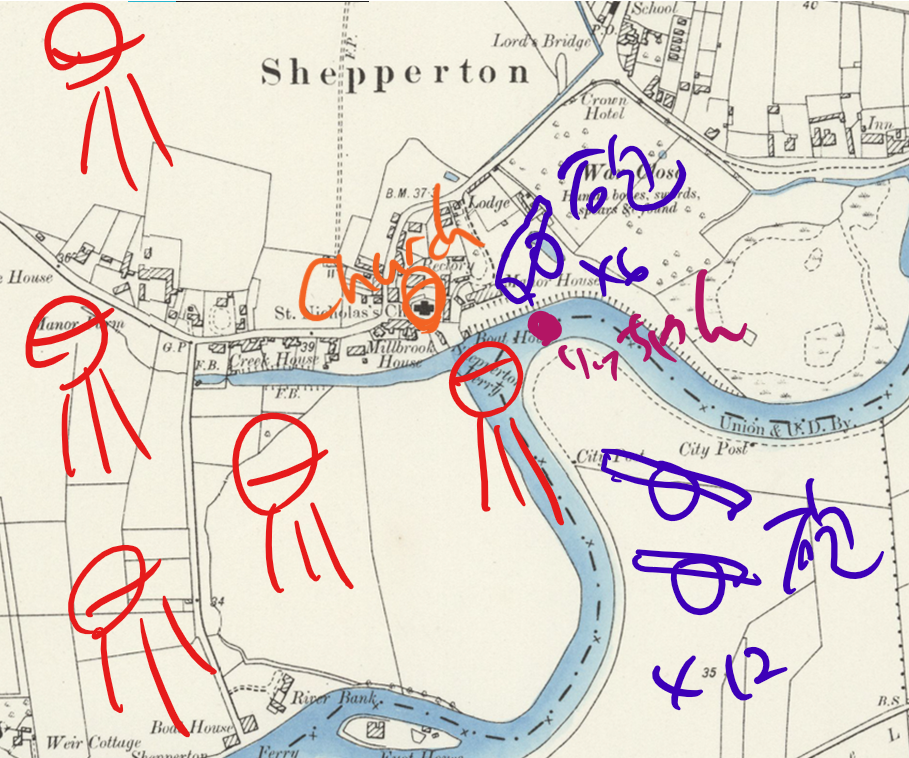
今回は面白い単語がいくつかあるな。decapitate(斬首する)とslay(殺す)を取り上げてみようか。
それ、面白いっていうか、R18Gワードじゃないか。
R18はエロでもグロでも意外な事実が隠されてるもんだぜ。
まずdecapitateは語源的にはde+capit+ateだ。
「de」=「離す」なら知っている人も多いかもな。detach(引き離す)とかな。
「cap」=「頭」はシスタンにも載ってる有名語幹だ。cap(帽子), capital(首都), captain(キャプテン), cape(岬)あたりを挙げておけばイメージしやすいだろうか。
ということでdecapitateは「頭を切り離す」、つまり「斬首する」だ。ちなみに「クビを斬る(=解雇する)」という意味もあるぞ。
そしてslay(殺す)はslay-slew-slainというみょんな活用をする動詞だ。
lay-laid-laidとlie-lay-lainが混ざったみたいで気持ち悪いが、この機会にぜひ活用を覚えておこう。
slayは「スレイヤー」っていう言葉で見かけるな。デュエマではかつて闇文明でお世話になったものだ。
バディファイトは終わっちゃったけど、デュエマはまだ続いてるのよね。嬉しいかぎりだわ。
さて、本段落後半に登場するbattering ram(破城槌)は知っている人も多いかしらね。こんな兵器よ。
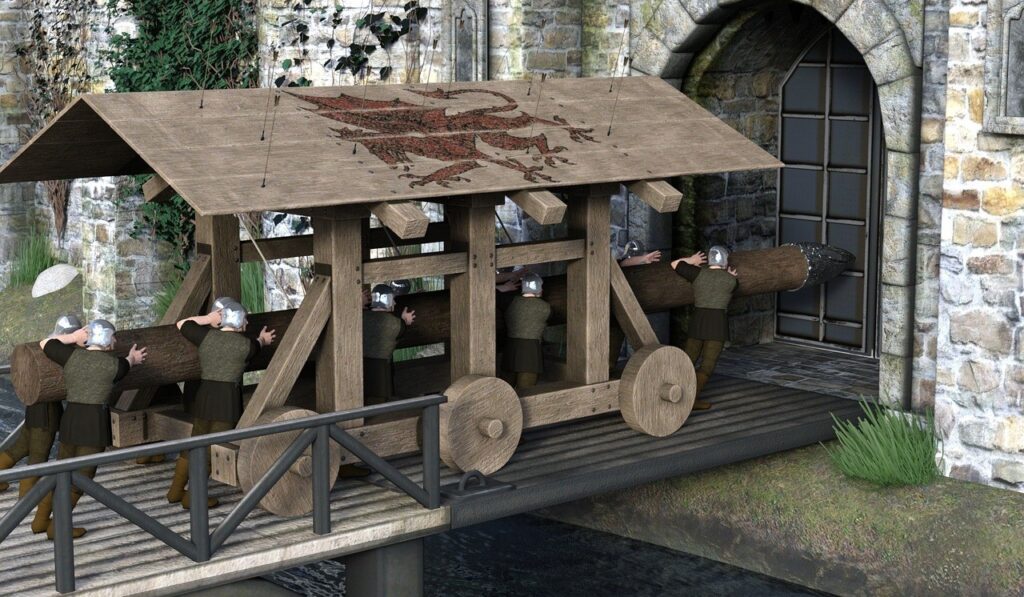
スピードをつけた丸太を城門に激突させて、城門を突破する兵器ね。
ラムアタックの「ラム」もこの「ram」だね!
ラムアタックについては第161話も参照してくださいな。
それでですよ。
「splashed to the ( ) winds of heaven」のカッコの中に入れる数は?
っていう問題、なんなんですか? 直訳だと 天の( )の風に分かれて飛び散った ってなりますよ。天にいたる風なんていくつあるっていうんですかぁ。
「heaven(天)」なんてあからさまなワードが出てるんだから、第116話よりはわかりやすいだろうけど。
あ、聖書ですね!
そのとーり。まずは概略から説明しよう。
聖書において「the four winds (of heaven)」は数か所に出てくる表現だ。「heaven」は聖書では「天国」というよりは「天」という意味で、「the four winds (of heaven)」で「天全体に吹く風」ということだ。東西南北の4方位すべてに吹くから「four」だな。
「four winds」の詳しい解説は右のリンクから。https://www.gotquestions.org/four-winds.html
ともあれ、聖書にある出典元を見ていくことにしよう。出典元のバージョンは「ESV(English Standard Version)」だ。
①ダニエル書7章2節 ②ダニエル書8章8節 ③ダニエル書11章4節 ④ゼカリヤ書6章5節
の計4箇所に「the four winds of heaven」という表現が見られ、「the four winds」だけなら、これらを含めて計10箇所記述がある。
すべて紹介すると大変だから、もっとも関係が深そうな①の紹介にとどめておくぞ。気になったら他は自分で調べてみてくれ。
あ、さぼってる。
①ダニエル書7章
ダニエル書(Daniel) 7章
[1] In the first year of Belshazzar king of Babylon, Daniel saw a dream and visions of his head as he lay in his bed. Then he wrote down the dream and told the sum of the matter. [2] Daniel declared, “I saw in my vision by night, and behold, the four winds of heaven were stirring up the great sea. [3] And four great beasts came up out of the sea, different from one another.
[1] バビロンの王ベルシャザルの元年に、ダニエルは床にあって夢を見、また脳中に幻を得たので、彼はその夢をしるして、その事の大意を述べた。[2] ダニエルは述べて言った、「わたしは夜の幻のうちに見た。見よ、天の四方からの風が大海をかきたてると、[3] 四つの大きな獣が海からあがってきた。その形は、おのおの異なり
英文引用元:https://www.esv.org/Daniel+7/
↑ダニエル書7章2節で「the four winds of heaven」は、四体の怪物を召喚する役割をもっているな(他のダニエル書の記述でも同じ役割)。『宇宙戦争』の現段落は残りのロボが4体になったところだから、数がぴったり合う。
そして、聖書中でこれらの怪物は、人々を誤った教えから解放し、「正義」「真理」「聖」を取り戻すために出現するぞ。
火星人ロボが「怪物」、イギリス帝国は「裁きを受ける側(特権階級)」に該当するわけですね!
そう考えていいだろう。
さらに、そうした怪物を出現させたこの「winds」は「風」というよりは、「魂」に近い存在だ。
この小説中でも「winds」を「魂」と見てあげると「天に召された」雰囲気も出てぴったりですね!
解答編
<英文解釈記号ルール>
〔〕→関係詞句・節
【】→接続詞句・節
《》→挿入句・節
[ ] →名詞句・節
()→副詞句・節
〈〉→形容詞句・節
The decapitated* colossus* reeled* (like a drunken giant); but it did not fall over. It recovered its balance (by a miracle), and, (no longer heeding* its steps) and (with the camera 〔that fired the Heat-Ray〕 now rigidly* upheld*), it reeled swiftly upon Shepperton. The living intelligence, 《the Martian within the hood》, was slain* and splashed to the four winds of heaven, and the Thing was now but a mere intricate* device of metal whirling* to destruction. It drove along (in a straight line), (incapable of guidance). It struck the tower of Shepperton Church, 《smashing it down 【as the impact of a battering ram might have done】》, swerved aside, blundered on and collapsed with tremendous force into the river out of my sight.
1. 紫のandが繋いでるものは、(no longer) heeding…とwith…の2つの分詞構文。
2. オレンジのwith O CのCに当たる部分は「rigidly upheld」。
3. ピンクのカッコ内に入れるのはfour。上解説通り。
4. 赤のbutの意味は「~だけ」(≒only)
5. 茶色のasのカッコが終わるところはdone。
6. 緑のandが繋いでるものは、struck, swerved, blundered, collapsed。
全訳
頭部が落とされたロボの巨体は酔っぱらった大男みたいによろめいた。でも倒れはせず、奇跡的にバランスを取り戻した。ただ、足元に注意を向ける余裕もなく、レーザー光線を発射する「カメラ」だけをしっかりと支えて、勢いよくシェパートン方面にふらついていった。頭部に搭乗していた知的生命体の火星人は殺され、天の四方に召されていった。そしてあのロボットはもう、ぐるぐる回って壊れるだけの複雑な金属の装置でしかなくなっていた。操縦手もおらずまっすぐに進み、シェパートン教会の塔に激突し、破城槌のような衝撃を与えて塔を破壊した。そして、横に逸れ、つまずくようにすさまじい威力で倒れ、川に沈んで見えなくなった。
「the camera that fired the Heat-Ray」(レーザー光線を発射するカメラ)とあるのは面白い記述だ。第75話でも話してたが、このレーザー兵器は放物面鏡で焦点に光線を集めて発射する。だから「カメラ」なんだろうな。
第12章 第35段落 (第205話)
問題編
A violent* explosion shook the air, and a spout* of water, steam, mud*, and shattered* metal shot far up into the sky. As the camera of the Heat-Ray hit the water, the latter had immediately flashed into steam. In another moment a huge wave, like a muddy tidal bore* but almost scaldingly* hot, came sweeping round the bend* upstream*. I saw people struggling shorewards*, and heard their screaming and shouting faintly* above the seething* and roar* of the Martian’s collapse*.
violent激しい spout噴出 mud泥 shatter粉々にする tidal bore潮津波(ポロロッカ) scaldinglyやけどするくらい bendカーブ upstream上流から・に shorewards(<shore+wards)岸の方へ faintlyかすかに seethe(波が)煮え立って激しく暴れる roar(波が)轟く音 collapse崩れること
1. オレンジのandが繋いでるものは?
2. 紫のthe latterが指すものは?
3. 茶色のandが繋いでるものは?
4. 青のtheirが指すものは?
改めて地図だ。
テムズ川は下図の左下が上流、右が下流となっていることは言わなくても大丈夫かな?
ちゃんと「bend」(カーブ)があることが確認できると思う。
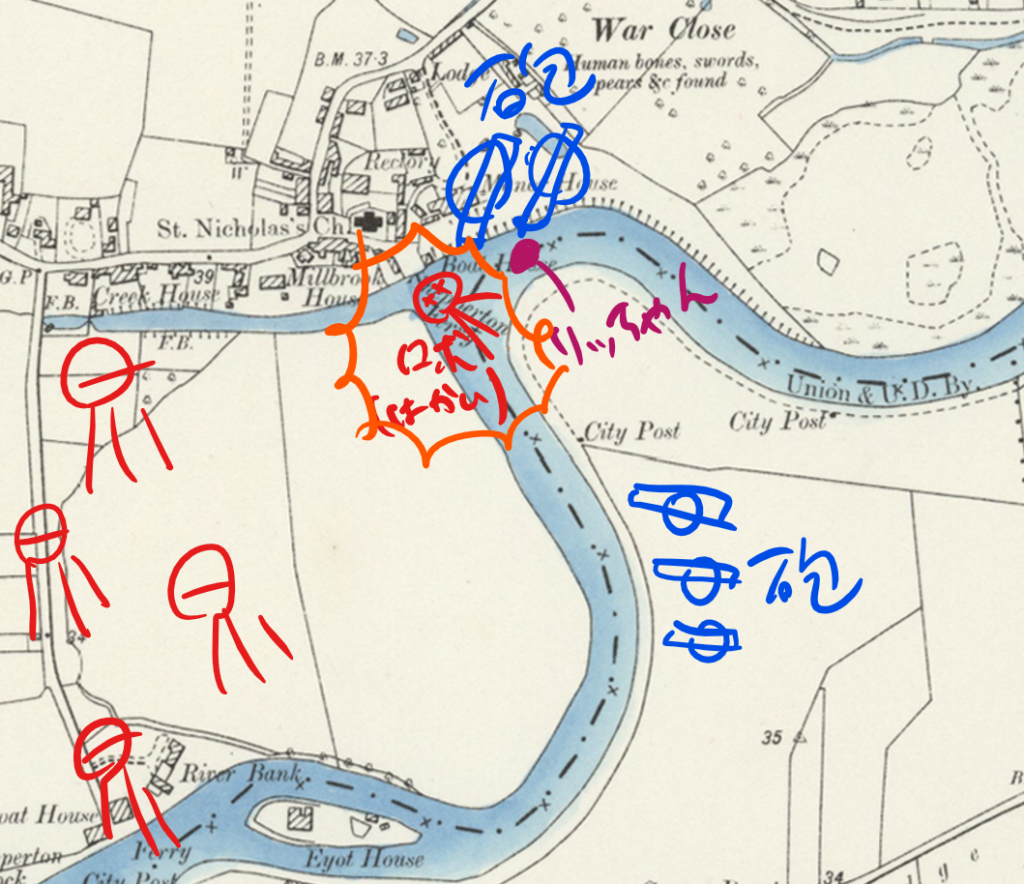
まほちゃんの位置はもう少し下流側かもしれないけどねー。
ロボが水面に激突した衝撃で「wave」が起こったということだけども、「like a muddy tidal bore」と表現されているね。
「tidal bore」は辞書を引くと「海嘯」「潮津波」と書いてますね!
…でも、「海嘯」は読み方からわかんないし、「潮津波」も人生で聞いたことありませんよ。
アマゾン川での「海嘯(かいしょう)」を特に「ポロロッカ」と言ったりするわね。
むしろ「海嘯」と言うよりは「ポロロッカ」と言った方が伝わるんじゃないかしら。

https://news.mongabay.com/2022/05/riders-of-the-lost-waves-surfing-and-saving-brazils-pororocas/
なるほど、「tidal bore」っていうのは、満潮になった海水が川を逆流する現象の総称ってことですね!
ま、そういったところだ。イギリスでも「tidal bore」が観察される川が何本もあるみたいだな。テムズ川はそうじゃないようだが…。
解答編
<英文解釈記号ルール>
〔〕→関係詞句・節
【】→接続詞句・節
《》→挿入句・節
[ ] →名詞句・節
()→副詞句・節
〈〉→形容詞句・節
A violent* explosion shook the air, and a spout* of water, steam, mud*, and shattered* metal shot (far) (up into the sky). 【As the camera of the Heat-Ray hit the water】, the latter had (immediately) flashed into steam. (In another moment) a huge wave, 《like a muddy tidal bore* but almost scaldingly* hot》, came sweeping (round the bend*) (upstream*). I saw people struggling shorewards*, and heard their screaming and shouting faintly* (above the seething* and roar* of the Martian’s collapse*).
1. オレンジのandが繋いでるものは前後のSV。
2. 紫のthe latterが指すものは、the water。「into steam」から推理できますね。
3. 茶色のandが繋いでるものは、sawとheard。
4. 青のtheirが指すものは、people。
全訳
激しい爆発が空気を震わせた。水・蒸気・泥・金属片が空高く噴き出した。レーザー光線の発射器が水面に落下すると、瞬時に閃光とともに水蒸気爆発が起こった。次の瞬間、巨大な波が上流からカーブを曲がって襲ってきた。ポロロッカの濁流のようだったが、やけどをしそうなくらい熱かった。岸の方へ懸命に逃げようとしている人々が見えた。火星ロボの倒壊によって沸騰し轟く波を浴びた人々から、かすかに悲鳴や絶叫の声も聞こえた。
このロボ、爆発するんだな(1文目)。
レーザー光線兵器の「ジェネレーター」に誘爆したとかそんな感じじゃないの。
レーザー光線の発射器(camera)が水と触れた瞬間に水蒸気爆発を起こしてるくらいだし、かなり高エネルギーだったことが予想されるよ。
第12章 第36段落 (第206話)
問題編
For a moment I heeded* nothing of the heat, forgot the patent* need of self-preservation. I splashed* through the tumultuous* water, pushing aside a man in black to do so, until I could see round the bend. Half a dozen deserted boats pitched* aimlessly* upon the confusion of the waves. The fallen Martian came into ( ) downstream*, lying across the river, and for the most part submerged.
heed気に留める patent明らかな splash水をはねあげながら進む tumultuous激しく揺れる pitch縦に揺れる aimlessly当てもなく downstream下流で(副詞) submerge水没する(<sub下に+merge)(↔emerge)
1. オレンジの to do soのto不定詞の用法は?またdo soが指しているものは?
2. come into ( )が「目に入る」となるように青のカッコ内に一語を入れると?
3. 茶色のandが繋いでるものは?
まっぷだよ。
こんなに沸騰するってどれだけのエネルギーよってはなしだよね。
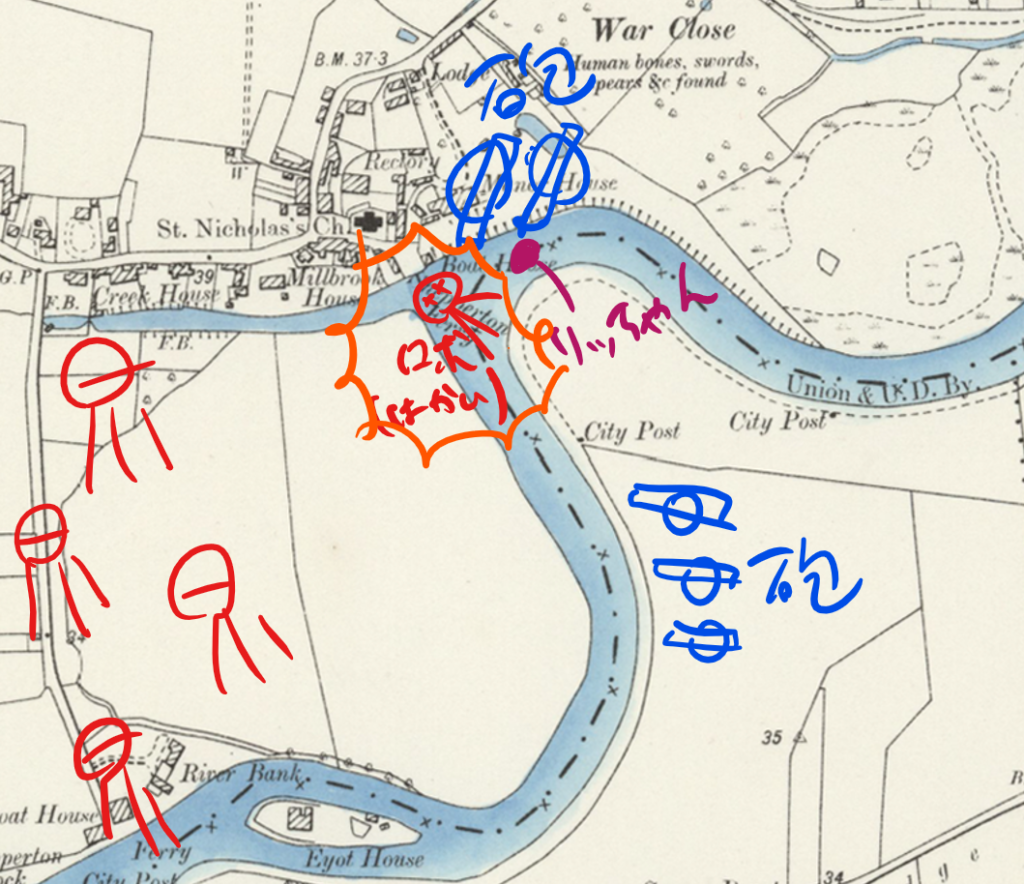
解答編
<英文解釈記号ルール>
〔〕→関係詞句・節
【】→接続詞句・節
《》→挿入句・節
[ ] →名詞句・節
()→副詞句・節
〈〉→形容詞句・節
(For a moment) I heeded* nothing of the heat, forgot the patent* need of self-preservation. I splashed* (through the tumultuous* water), (pushing aside a man 〈in black〉 to do so), 【until I could see round the bend】. Half a dozen deserted boats pitched* aimlessly* (upon the confusion of the waves). The fallen Martian came into sight downstream*, (lying across the river), and (for the most part) submerged.
1. オレンジの to do soのto不定詞の用法は、a manを修飾する形容詞用法。do soが指しているのは、splashed through the tumultuous waterかな。
2. 青カッコ内はcome into (sight)で「目に入る」ですね。
3. 茶色のandが繋いでるものは、cameとsubmerged。
全訳
明らかに自分を守る必要があったのに、一瞬、川のこの熱さは意識になかった。激しく煮え立つ水をはねあげ、同じように逃げていた黒服の男を押しのけ、川のカーブ地点が見わたせるところまで進んだ。無人になった数隻のボートが荒れる波の上で当てもなく縦に揺れていた。崩壊した火星ロボは下流の方に見えた。ロボは川に横たわるようになっていて、大部分は水没していた。
第12章 第37段落 (第207話)
問題編
Thick clouds of steam were pouring* off the wreckage*, and through the tumultuously* whirling* wisps* I could see, intermittently* and vaguely*, the gigantic limbs* churning* the water and flinging* a splash and spray* of mud* and froth* into the air. The tentacles* swayed* and struck like living arms, and, save for the helpless purposelessness of these movements, it was as if some wounded* thing were struggling for its life amid* the waves. Enormous quantities of a ruddy-brown* fluid were spurting* up in noisy jets out of the machine.
pour off~放出する wreckage残骸 tumultuously激しく whirl巻き起こる wisp煙の筋 intermittently断続的に vaguely曖昧に limb足 churn激しく揺らす・かきまぜる flingはねあげる spray飛沫 mud泥 froth泡 tentacle触手 sway揺れる wounded傷ついた amid≒among ruddy-brown赤茶色の spurt噴き出す
1. オレンジのandが繋いでるものは?
2. 青のandが繋いでるものは?
3. 赤アンダーラインの文型表示は?
4. 緑のsaveの意味は?
5. 茶色のpurposelessnessの意味を推測すると?
解答編
<英文解釈記号ルール>
〔〕→関係詞句・節
【】→接続詞句・節
《》→挿入句・節
[ ] →名詞句・節
()→副詞句・節
〈〉→形容詞句・節
Thick clouds of steam were pouring* off the wreckage*, and (through the tumultuously* whirling* wisps*) I could see, 《intermittently* and vaguely*》, the gigantic limbs* churning* the water and flinging* a splash and spray* of mud* and froth* into the air. The tentacles* swayed* and struck (like living arms), and, 《save for the helpless purposelessness of these movements》, it was as if some wounded* thing were struggling (for its life) (amid* the waves). Enormous quantities of a ruddy-brown* fluid were spurting* up (in noisy jets) (out of the machine).
1. オレンジのandが繋いでるものは前後の2つのSV。
2. 青のandが繋いでるものは、churningとflinging。
3. 赤アンダーラインの文型は、I see the gigantic lims churning and flingingがパーツのSVOC(Cは2個)第5文型。
4. 緑のsaveの意味は「~を除いて」(≒except)
5. 茶色のpurposelessness=purpose+less+ness=目的+ない+こと だから「無意味さ」「あてがないこと」あたりです。
全訳
蒸気は厚い雲となってロボの残骸から流れ出ていた。激しく巻き起こる蒸気の中で、断続的でおぼろげではあったが、ロボの巨大な足が水を激しく揺らし、水しぶきや泥、泡をはね上げているのが目に入った。ロボの触手は生き物の腕のように揺れたり叩いたりしていた。そうした動きはどうしようもなく無意味なものではあったが、傷ついた生物が生き延びようと波の中でもがいているかのようだった。赤茶色の莫大な量の液体が音をたてながらロボの機械から噴出していた。
第12章 第38段落 (第208話)
問題編
My attention was diverted* from this death flurry* by a furious yelling, like that of the thing called a siren* in our manufacturing towns. A man, knee-deep* near the towing* path, shouted inaudibly* to me and pointed. Looking back, I saw the other Martians advancing with gigantic strides* down the riverbank* from the direction of Chertsey. The Shepperton guns spoke this time unavailingly*.
divertそらす flurry動揺 sirenサイレン knee-deep膝まで水に浸かって towing path曳舟道 inaudibly(<in+audio+ible+ly)聞こえない声で strideひとまたぎ riverbank川岸・土手 unavailingly(<un+avail+ing+ly)むだに・効果なく
1. オレンジのthatが指しているものは?
2. 紫のandが繋いでるものは?
towing path(towpath)は、日本語では「曳舟道」(ひきふねみち)と訳される概念にゃ。
下写真で、右下の道路がこれに該当するにゃ。
運河や小川を航行するフネを動物や人間が曳航するために設けられた、川べりの道にゃ。
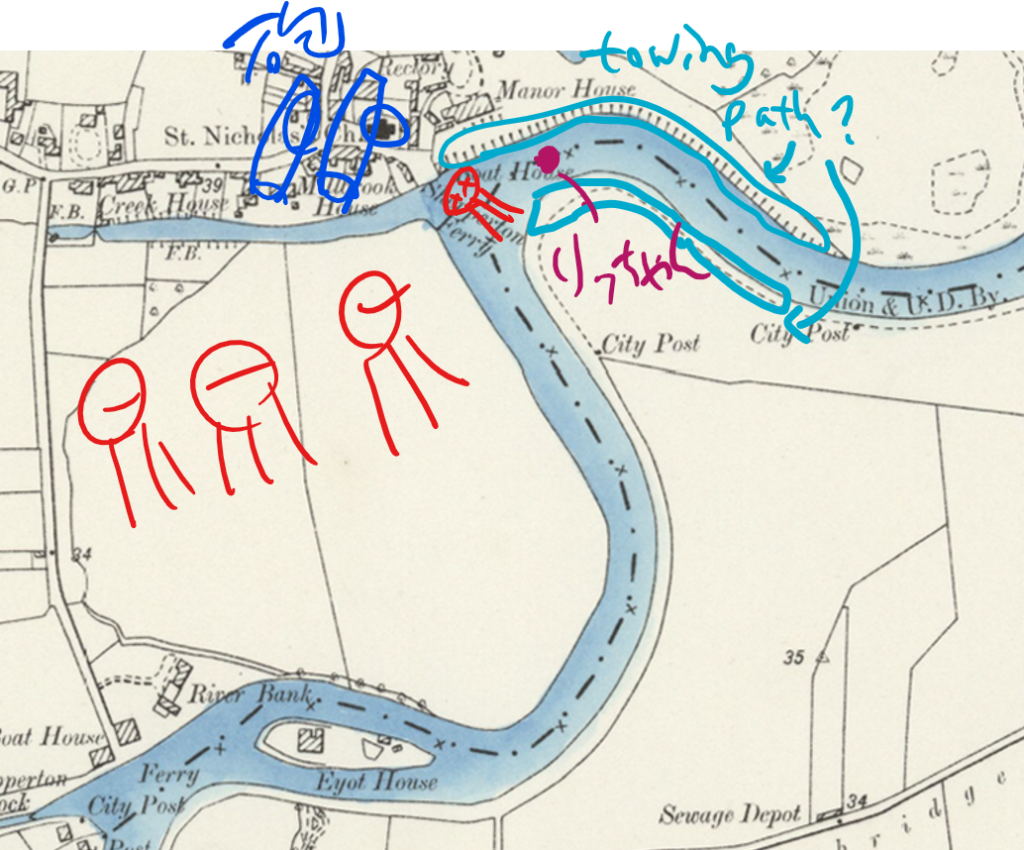
地図だけではtowing pathの位置を特定することは困難だ。
ま、テムズ川の右岸か左岸にあるんだろ。
解答編
<英文解釈記号ルール>
〔〕→関係詞句・節
【】→接続詞句・節
《》→挿入句・節
[ ] →名詞句・節
()→副詞句・節
〈〉→形容詞句・節
My attention was diverted* (from this death flurry*) (by a furious yelling, like that of the thing 〈called a siren* (in our manufacturing towns)〉). A man, 《knee-deep* near the towing* path》, shouted inaudibly* to me and pointed. (Looking back), I saw the other Martians advancing (with gigantic strides*) (down the riverbank*) (from the direction of Chertsey). The Shepperton guns spoke this time unavailingly*.
1. オレンジのthatが指しているものは、yelling。
2. 紫のandが繋いでるものは、shoutedとpointed。
全訳
わたしはロボットの骸を見て動揺していたが、イギリスの工業都市に響くサイレンのような恐ろしい叫び声がして、その声の方に注意が向いた。ある人が、曳舟道のそばで膝までつかりながら、よくわからないことを叫んで指さしていた。振り返ると、他のロボットが大きな歩幅でチャーツィーの方から川岸へ進撃してきていた。シェパートンの砲が今度も砲撃したが、損害は与えられなかった。
サイレンも19世紀後半から実用化されてきたものよ。
第12章 第39段落 (第209話)
もしかしたら過去イチ短い回かもしれない。前回のに統合すればよかった。すまん。
問題編
At that* I ducked* at once under water, and, ( ) my breath until movement was an agony*, blundered* painfully ahead* under the surface as long as I could. The water was in a tumult* about me, and rapidly growing hotter.
at thatそれからすぐに duck水に潜る agony苦痛 blunderよたよたと動く ahead前に tumult激しく動く
1. 紫のandが繋いでるものは?
2. オレンジのカッコの中に動詞一語(ing形)を入れて「息を止める」という意味にすると?
3. 青のandが繋いでるものは?
解答編
<英文解釈記号ルール>
〔〕→関係詞句・節
【】→接続詞句・節
《》→挿入句・節
[ ] →名詞句・節
()→副詞句・節
〈〉→形容詞句・節
(At that) I ducked* (at once) under water, and,《holding my breath 【until movement was an agony*】》, blundered* (painfully) (ahead*) (under the surface) (as long as I could). The water was in a tumult* about me, and rapidly growing hotter.
1. 紫のandが繋いでるものは、duckedとblundered。Iにつながりますね。
2. オレンジのカッコの中に動詞一語(ing形)を入れると「holding」です。hold one’s breathで「息を止める」ですね。
3. 青のandが繋いでるものは、in a tumultとgrowing hotterかな。
全訳
それを見てすぐに水に潜り、苦しくなるまで息を止めながら必死にもがいて、可能な限り水面下を進んだ。周囲は乱流となっていて、ますます熱くなっていた。
第12章 第40段落 (第210話)
問題編
When for a moment I raised my head to take breath and throw the hair and water from my eyes, the steam was rising in a whirling* white fog that at first hid the Martians altogether*. The noise was deafening*. Then I saw them dimly*, colossal* figures of grey, magnified* by the mist. They had passed by me, and two were stooping* over the frothing*, tumultuous* ruins of their comrade*.
whirl巻きあがる altogether完全に deafen(<deaf+en)耳をつんざく dimlyぼんやりと colossal巨体 magnify(magn大きい+ify)拡大する stoopかがむ frothing泡立っているところ tumultuous激しく音を立てる comrade戦友
1. オレンジのandが繋いでるものは?
2. 赤のandが繋いでるものは?
3. 紫のthemが指しているものは?
「comrade」(戦友)はミリタリー関係の小説とかでよく見るよな。ちょっと古いか?
語源的に「camera」と同じ(ラテン語で「部屋」)って聞いたときはびっくりしたぜ。
「同じ部屋をともにする仲間」だから「戦友comrade」。
昔の写真機は箱に入ってたから「カメラcamera」だな。
解答編
<英文解釈記号ルール>
〔〕→関係詞句・節
【】→接続詞句・節
《》→挿入句・節
[ ] →名詞句・節
()→副詞句・節
〈〉→形容詞句・節
【When (for a moment) I raised my head (to take breath and throw the hair and water from my eyes)】, the steam was rising (in a whirling* white fog 〔that at first hid the Martians altogether*〕). The noise was deafening*. Then I saw them dimly*, 《colossal* figures of grey》, magnified* (by the mist). They had passed (by me), and two were stooping* over the frothing*, tumultuous* ruins of their comrade*.
1. オレンジのandが繋いでるものは。breath と throw。to不定詞につながるやつ。
2. 赤のandが繋いでるものは、hairとwater。the hair and the waterではなくthe hair and waterであって、theのあとにhairとwaterがひとまとまりでくっついています。だからhairとwaterは別々ではないということです。ぐっしょり濡れた髪、ということです。
3. 紫のthemが指しているものはthe Martians.
全訳
しばらくの間、頭を水面から上げて息を吸っていた。濡れた髪を振り払って見ると、水蒸気が白い霧となって巻きあがり、最初のうちは火星人を完全に隠していた。騒音は耳をつんざくようにうるさかった。そのあとぼんやりと見えてきたのは、灰色の巨人が霧に映って拡大された姿だった。2体のロボットはわたしのそばを通り過ぎていたが、もう2体のロボットは、泡が出て騒音を立てている戦友の遺骸のそばにかがむようにしていた。
火星人も戦友のこと心配するのね。
第12章 第41段落 (第211話)
問題編
The third and fourth stood beside him in the water, one perhaps two hundred yards from me, the other towards Laleham. The generators of the Heat-Rays waved* high, and the hissing* beams smote* down this way and that*.
wave振る hiss(蒸気など)シューと音を立てる smite(smite-smote-smitten)襲う・破滅させる this way and thatあちこちに
1. 赤アンダーラインの文法的役割は?
smite-smote-smittenの活用は、write-wrote-writtenのたいぷの活用ね。
ま、だいぶ人気がなくなってきてる言葉だけどね!
(↓Ngram Viewerで見た「smite」のトレンド; 1800-2019, British English)
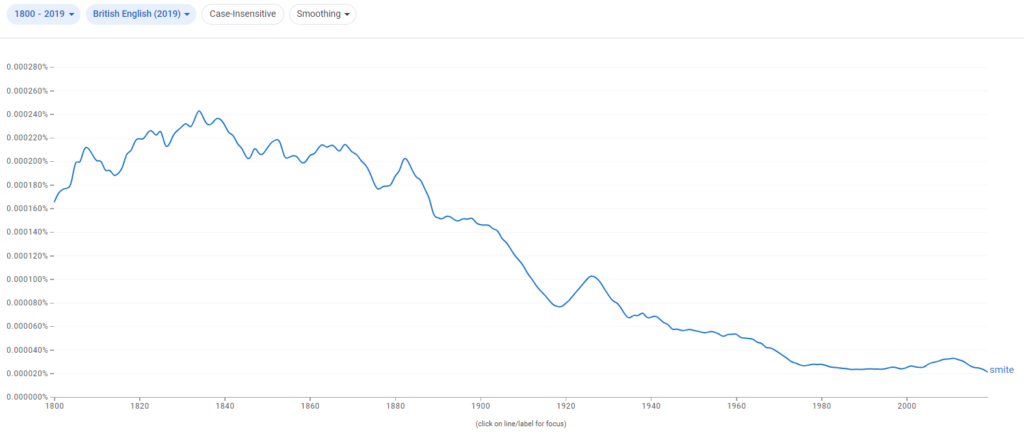
地図です!
Lalehamは北西方面にある都市ですね!
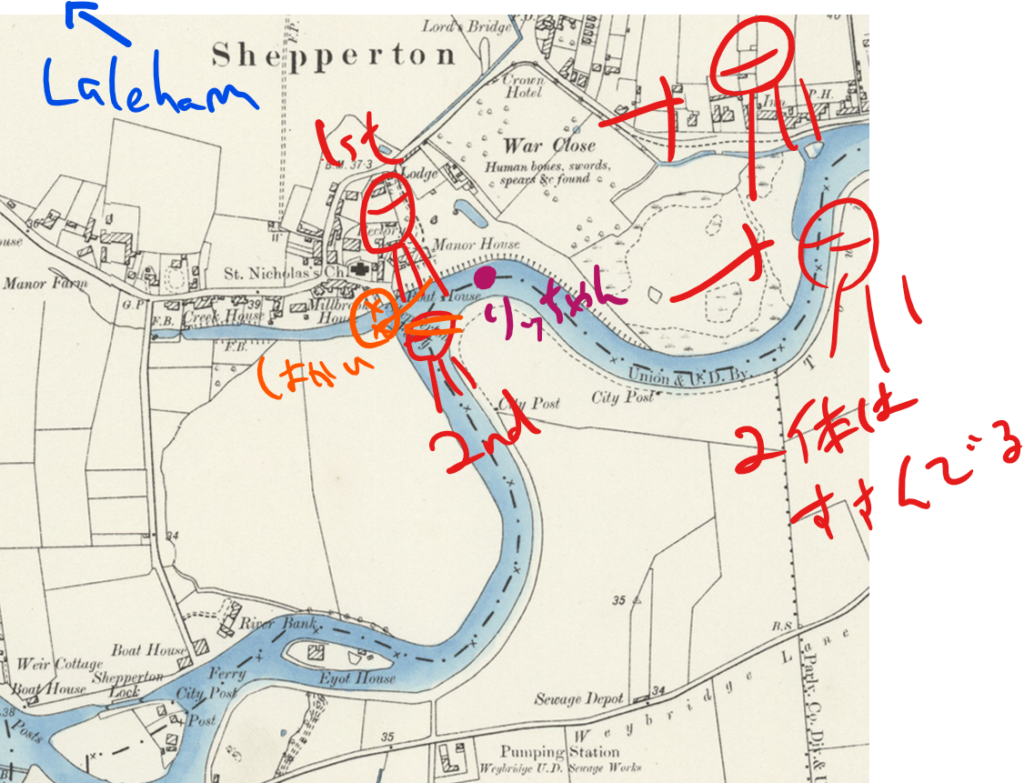
解答編
<英文解釈記号ルール>
〔〕→関係詞句・節
【】→接続詞句・節
《》→挿入句・節
[ ] →名詞句・節
()→副詞句・節
〈〉→形容詞句・節
The third and fourth stood (beside him) (in the water), (one perhaps two hundred yards from me), (the other towards Laleham). The generators of the Heat-Rays waved* high, and the hissing* beams smote* down (this way and that*).
1. 赤アンダーラインの文法的役割は独立分詞構文ですね。one was perhaps…, the other was towards…と動詞を補うと読みやすいです。
全訳
3、4体目のロボは川の中、戦友のそばに立っていた。一方は200ヤード(≒180m)ほど離れたところにいて、もう一方はレールハムの方に立っていた。レーザー光線のジェネレータを高く上げ、シューシューという音をたてながらあちこちをレーザーで攻撃していた。
おいなんか最近一話が短いぞ
いろいろあるんだよ。いろいろ。
ま、実を言うとこっちに使う時間を削って「86」見てたんだ(アニメver)。全23話で、ようやく今日見終わったところ。
個人的に面白かったポイントとしては、①昆虫型戦車から地面効果翼機にレールガンまで、登場兵器が豊富・精巧なこと、②バランスがいいところ かな。
特に②については、ロマンとリアル、既視感と斬新さ、希望と絶望、幻滅と感動、異世界と現実世界、そういった二項対立要素がほどよく配合されていてさ。GuPみたいに誰も死なない世界線ではないし、まどマギみたいにみんな死んでいく世界線でもないんだ。
バランスが偏る作品もそれはそれで好きだけど、調和がとれたこの作品は、視聴後にこの上なく安定した感興ある余韻を呼び起こしてくれて、よかった…。
(ありがとうございます! お金がたまったら原作・円盤等も買います!)
あ、他作品に浮気してる。
ガルパン警察だ!
べ、べつにいいじゃないか。東方警察じゃあるまいし。
それに『宇宙戦争』を読むうえでなんか役に立つかもしれないぞ(適当)。
というか、視聴後すぐに長文感想書くってことはそこそこ入れ込んだわね。「book hangover (本の二日酔い)」の一種かしら。
Twitterのノベルゲーマーが140字に感想が入りきらなくて、画像のALTに長文を書き連ねるのも同じ現象よね。わたしも「らっきー☆らいふ」のプレイ後に1回やったことあるわ…(もう消したけど)。
おい、あんたもやったことあるのかよ。
でもわかる。前に進むためには、こうやって長文で感想を書き出して、ひとつずつ自分の心残りを葬送していくしかないのさ。わだかまりがなくなった先に、きっと作品と自分は心の底でしっかりと結びつくはずだから。
第12章 第42段落 (第212話)
問題編
The air was full of sound, a deafening* and confusing conflict of noises—the clangorous* din* of the Martians, the crash of falling houses, the thud* of trees, fences, sheds* flashing into flame, and the crackling* and roaring* of fire. Dense* black smoke was leaping* up to mingle* with the steam from the river, and as the Heat-Ray went to and fro* over Weybridge its impact was marked by flashes of incandescent* white, that gave place at once to a smoky dance of lurid* flames. The nearer houses still stood intact*, awaiting their fate, shadowy*, faint and pallid* in the steam, with the fire behind them going to and fro.
deafen耳をつんざく clangorousガランガランと鳴り響く din騒音 thudドシーンという音 shed小屋 crackle(火など)パチパチ鳴る roar(火など)ぼうぼう燃える dense濃密な leapとび上がる mingle混ざる to and froあちこちに incandescent白熱の lurid赤く輝く intact無傷で shadowy影のような pallid青白い
1. 赤のandが繋いでるものは?
2. 茶色のto不定詞の用法は?
3. 赤のasの節はどこで終わる?
4. 青のitsが指すものは?
5. 緑のthatが指すものは?
6. 紫のthemが指すものは?
解答編
<英文解釈記号ルール>
〔〕→関係詞句・節
【】→接続詞句・節
《》→挿入句・節
[ ] →名詞句・節
()→副詞句・節
〈〉→形容詞句・節
The air was full of sound, 《a deafening* and confusing conflict of noises》—[the clangorous* din* of the Martians], [the crash of falling houses], [the thud* of trees, fences, sheds* flashing into flame], and [the crackling* and roaring* of fire]. Dense* black smoke was leaping* up (to mingle* with the steam from the river), and 【as the Heat-Ray went (to and fro*) (over Weybridge)】 its impact was marked by flashes of incandescent* white, that gave place 《at once》 to a smoky dance of lurid* flames. The nearer houses still stood intact*, (awaiting their fate), (shadowy*, faint and pallid* in the steam), (with the fire behind them going to and fro).
1. 赤のandが繋いでるものは、the clangorous din, the crash, the thud, the clackling and roaringかな。「the+音」の4つを繋いでますね。
2. 茶色のto不定詞の用法は結果用法です。andとほぼ同じ。
3. 赤のasの節はWeybridgeで終わります。接続詞がひとつ足りない気もしますが、緑のthatの前のカンマがandを代用していると考えましょう。
4. 青のitsが指すものは、the Heat-Ray。
5. 緑のthatが指すものは、flashes of incandescent white(のようす)。
6. 紫のthemが指すものはthe nearer houses.
全訳
戦場は音で満ちていた。耳をつんざくような、混乱してしまうほどの音が入り乱れていた。火星人ロボのガランガランという音、崩れる家の破砕音、火に包まれる木・柵・小屋が倒壊するドシンという音、火がパチパチ、ボウボウと燃える音…。濃密な黒煙が流れ出て、川から上がっている水蒸気と混ざっていた。レーザー光線がウェイブリッジの上空を飛び交い、着弾箇所には白熱閃光がきらめいたかと思うと、真っ赤な炎が煙のようにゆらめくのが見えた。近場の家はまだ無傷だったが、いずれ同じ運命を辿ることになるだろう。家は蒸気の中で影のようにぼんやりと青白かった。その背後の炎はあちこちに揺らめいていた。
よしよし、やっと長さが通常に戻ったな。
「awaiting their fate」を「いずれ同じ運命を辿ることになるだろう」と訳してるけれども、「86」の影響か(不遜だろうか?)。
各話の日本語タイトルとその下に書かれている英訳のコンビネーションがカッコいいところがあったからな。「今更そんなこと」と「It’s too late」の訳はなるほどなと思ったぞ。いつかこういう訳ができるようになりたいものだ。
第12章 第43段落 (第213話)
問題編
For a moment perhaps I stood there, breast-high* in the almost (boil) water, dumbfounded* at my position, hopeless of escape. Through the reek* I could see the people who had been with me in the river scrambling* out of the water through the reeds*, like little frogs hurrying through grass from the advance of a man, or running to and fro* in utter* dismay* on the towing path.
breast-high胸の高さまで水に浸かって dumbfound(dumb+confound)あぜんとさせる reek悪臭 scramble這い上がる reedヨシ(草) to and froあちこちに utterまったくの dismay狼狽
1. 緑のboilを適切に活用させると?
2. 赤のorが繋いでるものは?
3. 青アンダーラインの文型表示は?
解答編
<英文解釈記号ルール>
〔〕→関係詞句・節
【】→接続詞句・節
《》→挿入句・節
[ ] →名詞句・節
()→副詞句・節
〈〉→形容詞句・節
(For a moment) perhaps I stood there, (breast-high* in the almost boiling water), (dumbfounded* at my position), (hopeless of escape). (Through the reek*) I could see the people 〔who had been with me (in the river)〕 scrambling* out of the water (through the reeds*), 《like little frogs hurrying (through grass) (from the advance of a man)》, or running (to and fro)* (in utter* dismay*) (on the towing path).
1. 緑のboilを適切に活用させると、boilingですね。誰かが沸騰させたわけじゃないので、ここは自動詞のboilのing形を使いましょう。boiled eggとboiling waterは中学生のころよく間違えたものです。
2. 赤のorが繋いでるものは、scramblingとrunning。
3. 青アンダーラインの文型表示は、I see the people scrambling or runningの第5文型(S V O C1 C2)。
全訳
ひょっとすると、幾許かの時間、そこに立ち尽くしていたかもしれない。沸騰しかけている水に胸の高さまで浸かり、この場の状況に途方に暮れ、生きのびられるとは思っていなかった。悪臭の中、さっきまで一緒に川の中にいた人が、水中からヨシの草原に這いあがっているのが目に入った。小さなカエルが、進んでくる人間から草むらを逃げているようなものだった。そして彼らはまったく狼狽しながら、曳舟道を右往左往しているようだった。
今回は人間を小さなカエルに例えているが、人間が見下してきた小さな動物に人間自身を重ねる描写は、いままでも何回か登場してきたものだ。
第12章 第44段落 (第214話)
問題編
Then suddenly the white flashes of the Heat-Ray came leaping* towards me. The houses caved in* as they dissolved* at its touch, and darted* out flames; the trees changed to fire with a roar*. The Ray flickered* up and down the towing path, licking* off the people who ran this way and that*, and came down to the water’s edge not fifty yards from where I stood. It swept across the river to Shepperton, and the water in its track rose in a boiling weal* crested* with steam. I turned shoreward*.
leapとぶ cave in崩落する(≒collapse) dissolve溶ける dart放つ roar轟音 flicker明滅する lickなめる・なぶる this way and thatあちこちに wealみみずばれ crest波が高く上がる shoreward(<shore+ward~の方に)岸の方へ
1. オレンジのasの意味は?
2. 赤のandが繋いでるものは?
3. 緑のandが繋いでるものは?
4. 紫のitが指しているものは?
解答編
<英文解釈記号ルール>
〔〕→関係詞句・節
【】→接続詞句・節
《》→挿入句・節
[ ] →名詞句・節
()→副詞句・節
〈〉→形容詞句・節
(Then) (suddenly) the white flashes of the Heat-Ray came leaping* towards me. The houses caved in* 【as they dissolved* at its touch】, and darted* out flames; the trees changed to fire (with a roar*). The Ray flickered* (up and down the towing path), (licking* off the people 〔who ran this way and that*〕), and came down to the water’s edge 〈not fifty yards from [where I stood]〉. It swept (across the river) (to Shepperton), and the water in its track rose (in a boiling weal* crested* with steam). I turned shoreward*.
1. オレンジのasの意味は「~のように」
2. 赤のandが繋いでるものは、caved inとdarted。The housesから繋がっています。
3. 緑のandが繋いでるものは、flickeredとcame。The Rayから繋がっています。
4. 紫のitが指しているものは、The Ray。
全訳
そのとき突然、レーザー光線の白い光がわたしに向かって飛んできた。光線が貫通した家は溶けるように崩壊し、火が上がった。木も轟音とともに炎に包まれた。光線は曳舟道のあちこちで明滅し、右往左往する人々をなぶり殺しにしていた。また、わたしがいるところから50ヤード(≒45m)も離れていない川岸にレーザーが着弾した。光線はシェパートン側へ川を横切って、通った場所は蒸気によって盛り上がり、やけどによるみみずばれのようになっていた。わたしは岸の方を振り返った。
「run this way and that」とか「run to and fro」とかは「右往左往する」っていう便利な訳語がぴったりだな。
あと「レーザー光線が着弾する」っていう日本語はいまいち不自然な気がする。他に何か訳しかたはあるかな…。
第12章 第45段落 (第215話)
問題編
In another moment the huge wave, well-nigh* at the boiling-point had rushed upon me. I screamed aloud, and scalded*, half blinded, agonised*, I staggered* through the leaping*, hissing* water towards the shore. Had my foot stumbled*, it would have been the end. I fell helplessly, in full sight of the Martians, upon the broad, bare* gravelly* spit* that runs down to mark the angle of the Wey and Thames. I expected nothing ( ) death.
well-nigh≒almost scaldやけどをさせる agonise(<agony)痛みで苦しむ staggerよろめく leapはねる hiss蒸気を立てる stumbleつまずく helplesslyどうすることもできず bare更地の gravelly砂利の spit岬・砂嘴
1. オレンジのandが繋いでるものは?
2. 赤のカッコの中に入る前置詞一語は?
あれ、あなたの現在地はどこかしら? いまは「spit(岬)」に上陸しているとのことだけど…。
いままでの段落で「至近距離にロボットがいた」って書いているから、火星人ロボがやられた「Shepperton Church」の周りにいたはずよね。だから下図緑色の「岬」にいることになるわ。
でも、この段落では「mark the angle* of the Wey and Thames(ウェイ川とテムズ川の角度を示す)」と書いているから、以下の地図のオレンジの部分ということになってしまうのよね。
※ウェイ川はテムズ川に合流する支流でしたわね。
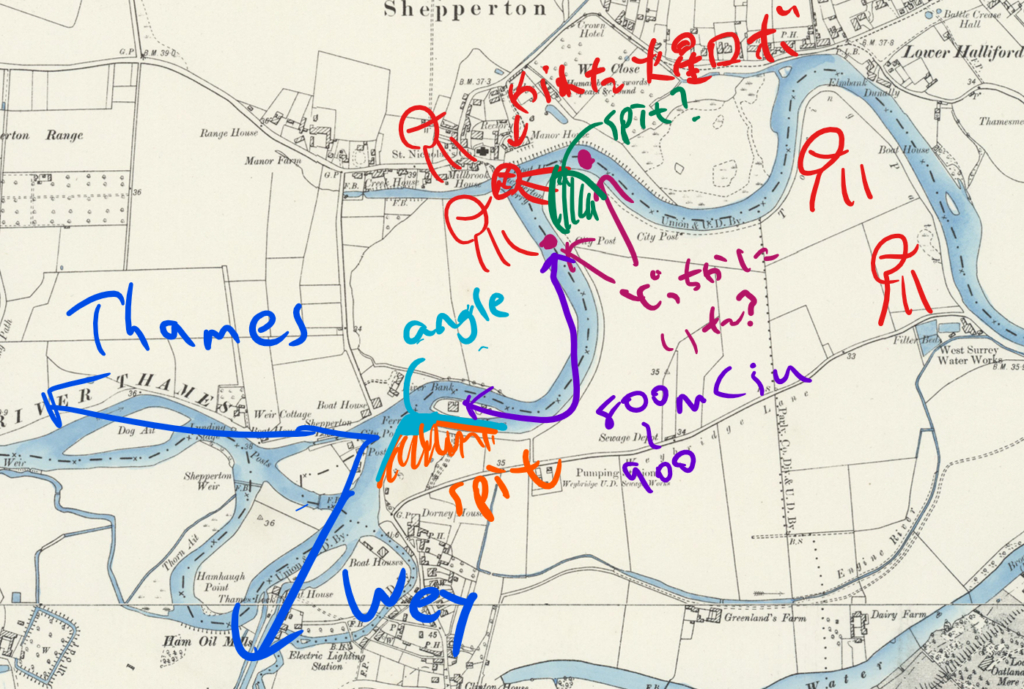
800mも離れているから、2地点間を移ったということは考えにくいな…。
わからないな…。
<追記>
ごめんなさい。間違っていたわ。「the angle* of the Wey and Thames」をよく考えれば解決ね。正解は前者(上図緑色の岬)よ。
「the angle of the Wey and the Thames 」だと、「ウェイ川とテムズ川がつくる角」(≒テムズ川とウェイ川の合流点)となっちゃうけど、本文の通り「the angle* of the [Wey and Thames]」だと、「テムズ・ウェイ川の角」(≒テムズ・ウェイ川が曲がっているところ)という意味になるわね。
だから、緑色でいいのよ。
そういえばそうだった。「冠詞の範囲」問題は意外と忘れがちだな。
2つが「セット」として観念される場合には、冠詞の「カッコ機能」が働くのです。
ー『英語のしくみと訳しかた』P11, 真野泰, 研究社
この本にも挙げられている通り、a [whiskey and water]は「ウィスキーの水割り1杯」で、[a whiskey] and [a water] は「ウィスキー1杯と水1杯」だ。
したがって、the [Wey and Thames]は「テムズ川とウェイ川の流域全体」、[the Wey] and [the Thames]は「ウェイ川とテムズ川」となるわけだ。
解答編
<英文解釈記号ルール>
〔〕→関係詞句・節
【】→接続詞句・節
《》→挿入句・節
[ ] →名詞句・節
()→副詞句・節
〈〉→形容詞句・節
(In another moment) the huge wave, 《well-nigh* at the boiling-point》 had rushed upon me. I screamed aloud, and scalded*, half blinded, agonised*, I staggered* (through the leaping*, hissing* water) (towards the shore). 【Had my foot stumbled*】, it would have been the end. I fell helplessly*, (in full sight of the Martians), (upon the broad, bare* gravelly* spit* 〔that runs down to mark the angle* of the Wey and Thames〕). I expected nothing but death.
1. オレンジのandが繋いでるものは、前後のSVですね。scalded, half blinded, agonisedはすべて過去分詞ですので気をつけましょう。
2. 赤のカッコの中に入る前置詞一語はbut。「nothing but~」(~以外はなにもない)で定型表現ですね。nothing exceptでも文法的には間違いじゃないけどあんまり使われないと思います。
全訳
次の瞬間、ほとんど沸騰している巨大な波が襲いかかって来た。声を出して叫んだ。やけどして、半分目が見えなくなり、痛みで苦しみながら、沸騰して蒸気を立てている川の中を、岸までよろよろと歩いて行った。もしつまずいたら、そこで終わりだっただろう。ロボットをまじまじと見つめながら、どうすることもできず、ウェイ川とテムズ川が分岐するところに位置する、広い更地の砂岸に倒れこんだ。死ぬ予感しかしなかった。
「in full sight of the Martians」は、「火星人をfullで見て」っていうことだから、とりあえず「まじまじと…」と訳してみた。ここは「火星人以外は目に入らず」という訳でもいいかもしれないなっ。
第12章 第46段落 (第216話)
問題編
I have a dim* memory of the foot of a Martian coming down within a score* of yards of my head, driving straight into the loose* gravel*, whirling* it this way and that and lifting again; of a long suspense*, and then of the four carrying the debris* of their comrade* between them, now clear and then presently* faint through a veil* of smoke, receding* interminably*, as it seemed to me, across a vast space of river and meadow. And then, very slowly, I realised that by a miracle I had escaped.
dimぼんやりとした score20 loose柔らかい・固まっていない gravel砂利(の土手) whirl巻きあげる suspenseハラハラドキドキ debris残骸 comrade戦友 presentlyすぐに veilベール・覆い recede遠のく interminablyだらだらと続く・果てしなく
1. オレンジのitが指しているものは?
2. 緑のandが繋いでるものは?
3. 紫のof句(2か所)が修飾している語は?
4. 赤のandが繋いでるものは?
5. 茶色のandが繋いでるものは?
解答編
<英文解釈記号ルール>
〔〕→関係詞句・節
【】→接続詞句・節
《》→挿入句・節
[ ] →名詞句・節
()→副詞句・節
〈〉→形容詞句・節
I have a dim* memory of the foot of a Martian coming down (within a score* of yards of my head), driving straight into the loose* gravel*, whirling* it (this way and that) and lifting again; of a long suspense*, and then of the four carrying the debris* of their comrade* (between them), (now clear) and (then presently* faint (through a veil* of smoke)), receding* interminably*, 《as it seemed to me》, across a vast space of river and meadow. And (then), (very slowly), I realised [that (by a miracle) I had escaped].
1. オレンジのitが指しているものは、the loose gravel。
2. 緑のandが繋いでるものは、coming, driving, whirling, lifting。すべてthe foot of a Matianに繋がります。memory of~となっているので、the foot of a Martianが意味上の主語、4つのVingが意味上の動詞ですね。
3. 紫のof句(2か所)が修飾している語は、a dim memory。2つめのofが「of+意味上の主語+Ving」の形になっていることがわかれば正解できると思います。
4. 赤のandが繋いでるものは、of the foot…, of a long…, of the four…という3つのof句(memoryに繋がります)。
5. 茶色のandが繋いでるものは、now clearとthen faint。対比関係になっているわけですね。
全訳
そのときの記憶はぼんやりとしている。頭上20ヤード(≒18m)もないところをロボットの足が通過し、足がそのまま柔らかい砂浜に突き刺さり、四方に砂を巻き上げた後、またロボットが足を上げて行った。長い緊張状態が続き、そして4体のロボットが戦友の残骸をみんなで抱えていった。彼らの姿は一度はくっきりしたものの、すぐに蒸気に覆われてかすんでしまった。川と牧草地の広大な土地をいつまでも向こうに進んでいるように見えた。そして徐々に、奇跡的に助かったということに気づいた。
I have a dim memory of…以下は長すぎるから、「ぼんやりとした記憶がある、それはこういうものだ…」などとしてあげるといいな。
あとさ、火星人もロボの残骸と戦友の遺体を回収するんだな。
ほっとくとリバースエンジニアリングされちゃうし!
ともあれ、生存おめでと!
ありがと。(主人公補正なんだけど)
とゆーことで、第12章終了時点で生存が確定しているのはわたしだけになってしまったな。
ダー様(語り手の妻)とミカちゃん(砲兵)は生きてるかわかんない…。
実はわたしのその後が語られるのは、下巻になってからのことなんだ。
どうか気長に待っててくれよな。
ともあれ、これで長かった第12章(全42話)はおしまい。次回から第13章だ。
物語に深くかかわってくる新キャラも出てくるぞ。





コメント