
<流れ>
①かっこを振っていない英文
②単語注(①でアスタリスクを振ったところ)
③設問
④かっこを振った英文
⑤設問の答え
⑥訳
第4章 THE CYLINDER OPENS.
宇宙船、開きます!
第4章 第1段落 (第44話)

第3章までの状況を整理しておこう。
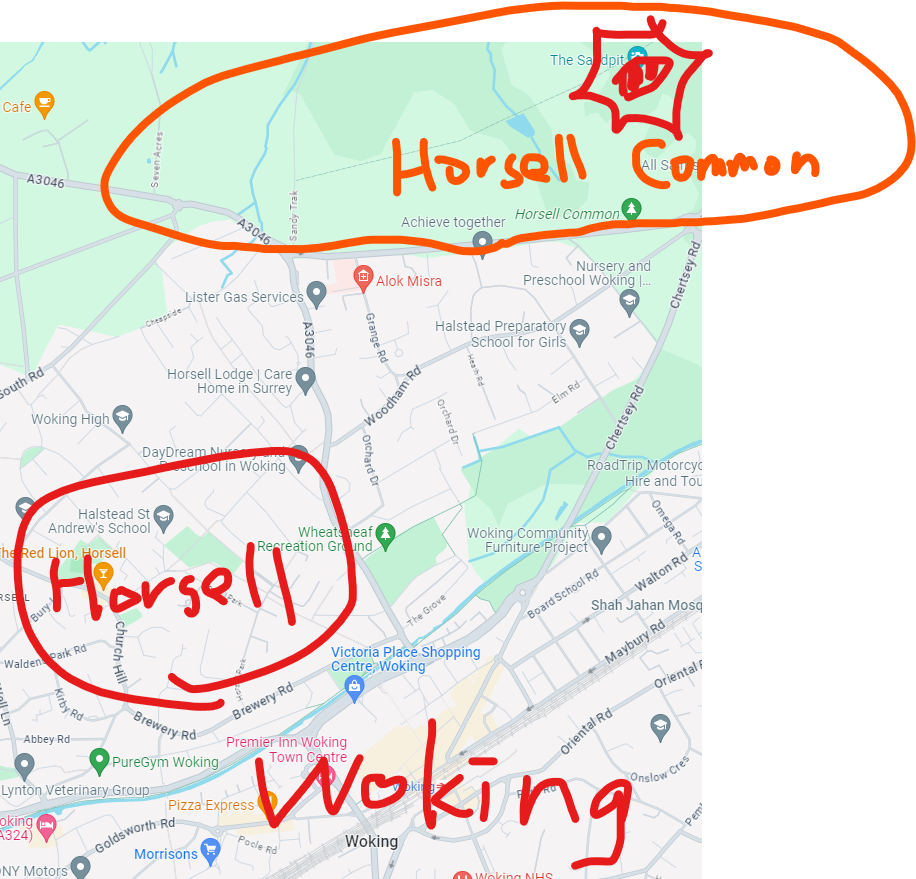

現在は1900年ごろ。ここはロンドンのベッドタウンのWoking。
近くのHorsell Commonという野原に火星からの円筒状宇宙船(=cylinder)が着陸(墜落)したわ。その内部には何やら生物がいそうな気配があって、クレーター(pit)の周囲には野次馬が集まり始めてるの。
イギリス天文学会トップのステント(GuPマリー)をはじめとする調査隊がそのcylinderを開けようとするけど、なかなかハッチは開かないのよね。
問題編
When I returned to the common the sun was setting*. Scattered groups were hurrying from the direction of Woking, and one or two persons were returning. The crowd about the pit had increased, and stood out* black against the lemon yellow of the sky—a couple of hundred people, perhaps. There were raised voices*, and some sort of struggle appeared to be going on* about the pit. Strange imaginings passed through my mind. As I drew nearer* I heard Stent’s voice:
“Keep back! Keep back!”
set(日が)沈む stand out目立つ(→形容詞「outstanding」へ) raised voices甲高い声 go on起こる draw nearer近づく
1. オレンジの「against」の意味は?
2. 青アンダーラインの部分の文型表示は?
3. 紫の「as」の意味は?
解答編
<英文解釈記号ルール>
〔〕→関係詞句・節
【】→接続詞句・節
《》→挿入句・節
[ ] →名詞句・節
()→副詞句・節
〈〉→形容詞句・節
【When I returned to the common】 the sun was setting*. Scattered groups were hurrying from the direction of Woking, and one or two persons were returning. The crowd 〈about the pit〉 had increased, and stood out* black (against the lemon yellow of the sky)—a couple of hundred people, perhaps. There were raised voices*, and some sort of struggle appeared to be going on* about the pit. Strange imaginings passed through my mind. 【As I drew nearer】 I heard Stent’s voice:
“Keep back! Keep back!”
1. オレンジの「against」の意味は「~を背景に」。じつは以前も出てきてたり。
2. 青アンダーラインの部分の文型表示は上の通り。stand outのあとだけども、まずここの情景をイメージ。このページ一番上の画像のように、夕暮れ時の空を背景にすると、人影は黒く見える。こういう状況を表して「The crowd stood out black against the sky.」って言ってる。群衆は夕暮れ空を背景にその黒さが目立っているってこと。the crowd=blackだから、blackは補語(C)となるってことかな。まあ、訳には関係ないんだけどね。
3. 紫の「as」は「~とき」(「~ので」もOKかも)。比較級があるけど「~につれて」ではないかも。
全訳
ホーセル共有地に戻ったときは、日没が近づいていた。
ウォーキングの方から三々五々人々が走ってきてて、少しは戻っていった。
穴のまわりにいる群衆は増え続け、その姿はレモンイエローの空を背景にすると、黒く際立っていた。ーおそらく、200 人くらいの群衆だっただろう。甲高い声が上げられ、なんらかの争いが穴の周りで起こっているようだった。
変なイメージが脳裡をよぎった。
近づいていったとき、ステントさんの声が聞こえた。
「下がって! 下がって!」
第4章 第2段落 (第45話)

会話文では、becauseが ‘causeになったり、よく短縮されるよね!
どんな短縮か考えながらやってこう!
ちなみに、以下の文章のようにing形の前に「a-」がつくのは口語体で、古英語の名残っぽいわ。リズムを整えたりする働きがあるとか。もっとも、21世紀では相当レアケースね。
参照:https://english.stackexchange.com/questions/45886/what-is-the-story-behind-a-prefix-suffix
問題編
A boy came running towards me.
“It’s a-movin’,” he said to me as he passed; “a-screwin*’ and a-screwin’ out. I don’t like it. I’m a-goin’ ’ome, I am.”
I went on* to the crowd. There were really, I should think, two or three hundred people elbowing* and jostling* one another, the one or two ladies there being by no means the least active.
“He’s fallen in the pit!” cried some one.
“Keep back!” said several.
screw(宇宙船のハッチを)回す go on進み続ける elbow押し分けて進む jostle押しのける
1. 青アンダーラインの部分を省略してないものに戻すと?
2. 赤のshouldの意味・用法は?
3. 青のone anotherの意味は?
4. 赤アンダーラインの部分の文法的役割は?また訳は?
5. 緑のcryの意味は?
6. 茶色のseveralの後に省略されてる言葉は?

「someone」は漠然とした「誰か」です。
「some one」と2語に分けると、ある集団がイメージされて、そのうちの漠然とした一人を表します。ここでのsomeは「ある」(≒a)っていう意味で、oneは(一人の)「人」(≒person)ですね。

ほかに分けて違うものになるのなら、「anymoreは程度や頻度を表す(≒any longer)のに対して、any moreは数量を表す」っていう例がわかりやすいな。
解答編
<英文解釈記号ルール>
〔〕→関係詞句・節
【】→接続詞句・節
《》→挿入句・節
[ ] →名詞句・節
()→副詞句・節
〈〉→形容詞句・節
A boy came running towards me.
“It’s a-movin’,” he said to me 【as he passed】; “a-screwin*’ and a-screwin’ out. I don’t like it. I’m a-goin’ ’ome, I am.”
I went on* to the crowd. There were really, 《I should think》, two or three hundred people 〈elbowing* and jostling* one another〉, the one or two ladies (there) being (by no means) the least active.
“He’s fallen in the pit!” cried some one.
“Keep back!” said several.
1. 青アンダーラインの部分を省略してないものに戻すと「I’m (a-)going home」ですね。お家帰るよって言ってるわけです。
2. 赤のshouldは、控えめな表現のときに使われるshouldです。I should think so.(そうだと思うけどなぁ)とかI should say you’re good at math(きみ数学得意なんじゃない)とかです。
3. 青のone anotherの意味は「互いに」。≒each other
4. 赤アンダーラインの部分は独立分詞構文と解釈してもいいし、直前のカンマがandの代用だと考えて、There wereに繋がってるものだと解釈してもOKです(後者の解釈の方が、対句的で好ましいかもね)。まあ、the one or two ladiesが主語、beingが動詞、the least activeが補語とみて訳すのは同じ。
by no meansは熟語で「決して~ない」。the least activeで「最も活動的でない」ですから、二重否定で「最もアクティブでないわけでは決してなかった」ですね。ここではみんながパニックに陥っている状況で、意外なことにレディは思ってたよりパニクってたっていう意味で使われてると解釈すれば、この意味でいいような気がします。まあ、強い否定かもですが。
5. 緑のcryの意味は「叫ぶ」。cryは「泣く」だけじゃないです。
6. 茶色のseveralの後に省略されてる言葉は「people」。manyなどもよくpeople省略されがち。
全訳
一人の男の子がわたしの方へ走ってきた。「動いてる」「てっぺんが回ってて、回転して外れようとしてる。なんかやだよ。家に帰るよ、俺。」と通りざまに言った。
わたしは人混みの方へ進み続けた。
実際は2~300 人もの人々(だと思うんだけど)が、お互いを押しのけあっていて、そこにいた1~2人の女性も他の人に引けを取ることなく暴れていた。
「あいつが穴に落下したぞ!」誰かが叫んだ。
数人が「下がれ!」と言った。

…「He’s fallen in the pit」の「’s」はたぶんhasの略で「彼が落下したぞ!」がおそらく正しい解釈。でもHe is fallen in the pit.(彼が落下してるぞ)でも文法的にはギリギリセーフな気がするんだけど、気のせいかな(もちろん、状況を考えれば、「落下してる」のを見つけるのではなく「いまちょうど落下したところ」を見つけてるはずなんだろうけど)。
第4章 第3段落 (第46話)
問題編
The crowd swayed* a little, and I elbowed my way through*. Every one seemed greatly excited. I heard a peculiar* humming* sound from the pit.
“I say*!” said Ogilvy; “( back idiots* keep these help ). We don’t know what’s in the confounded* thing, you know!”
I saw a young man, a shop assistant in Woking I believe she was, standing on the cylinder and trying to scramble* out of the hole again. The crowd had pushed him in.
sway揺れる elbow one’s way (through)押し分けて進む peculiar妙な hummingブーンという音 I sayちょっと(呼びかけの言葉) idiot馬鹿者 confounded忌々しい scrambleよじ登る
1. 赤アンダーラインの部分を正しく並び替えると?
2. 青マーカーの文型表示は?
3. 黄色アンダーラインの意味は?
「every one」と「everyone」の違いだけど、前者は一人一人に焦点が置かれてるのに対して、後者は「みんな」ってところに焦点が置かれてるっていう違いだ。
every oneの多くはevery one of themのようにof句を伴うらしい。
前回やった「some one」もわりとof句で限定されがち~。
要するにone of~の形を作るってことだな。
解答編
<英文解釈記号ルール>
〔〕→関係詞句・節
【】→接続詞句・節
《》→挿入句・節
[ ] →名詞句・節
()→副詞句・節
〈〉→形容詞句・節
The crowd swayed* a little, and I elbowed my way through*. Every one seemed greatly excited. I heard a peculiar* humming* sound from the pit.
“I say*!” said Ogilvy; “(help keep these idiots back). We don’t know [what’s in the confounded* thing], you know!”
I saw a young man, 《a shop assistant in Woking 〔《I believe》 she was〕》, standing on the cylinder and trying to scramble* out of the hole again. The crowd had pushed him in.
1. 赤アンダーラインの部分を正しく並び替えると上の語順。help <to> Vで 「Vするのを手伝う」、keep O Cで「OをCの状態に保つ」くらいが思い浮かべばOK。helpのあとにkeepを置くのが難しいかな。
2. 青マーカーの文型表示は上の通り。womanを補足説明する挿入部が長いけど、see O Ving(C)の形。
3. 黄色アンダーラインは入試用語でいうところの「連鎖関係代名詞」が(省略されてるけど)入ってる部分。そんなむずかしくない。
全訳
群衆は少し揺れ、わたしは人混みをかき分けて進んでいった。みんなひどく興奮しているようだった。
穴から妙なブーンブーンという音が聞こえた。
「ちょっと!」オギルヴィは言った。「この馬鹿どもを下がらせるの手伝って! この忌々しい物体の中に何がいるかわかんないんだから!」
一人の若者(確かウォーキングで店員をやっていたと思う)が、円筒の上に立って、よじ登って穴の外に出ようとしているのが見えた。群衆が彼を突き落としたのだ。
第4章 第4段落 (第47話)
今更感あるけど、「screw」の本来の意味は「ネジ」とか「ネジを回す」ね。
それが宇宙船のハッチ・出口を回して開ける表現に適用されてるのよ。
問題編
The end of the cylinder was being screwed out from within. Nearly two feet of shining screw projected*. Somebody blundered* against me, and I narrowly* missed (pitch*) onto the top of the screw. I turned, and as I did so the screw must have come out, for the lid* of the cylinder fell upon the gravel* with a ringing concussion*. I stuck my elbow* into the person behind me, and turned my head towards the Thing again. For a moment that circular* cavity* seemed perfectly black. I had the sunset in my eyes.
project突き出る blunderぶつかる narrowlyかろうじて pitch倒す lid蓋 gravel砂利 concussion振動 elbowひじ circular円形の cavity穴(an empty space between two surfaces)
1. オレンジの「two feet」、だいたい何センチ?
2. 緑の「miss」の意味は?
3. 赤アンダーラインの部分の「pitch」を適切に変形して当てはめよ(have pitchedなど2語以上になる可能性もある)
4. 青の「as」の節・句はどこまで?
5. 紫の「for」の意味は?
「stuck my elbow into the person behind me」って柔らかく言えば「ひじが後ろの人に当たっちゃった」。乱暴に言えば「後ろの人に肘打ちを食らわせた」ってところ。
解答編
<英文解釈記号ルール>
〔〕→関係詞句・節
【】→接続詞句・節
《》→挿入句・節
[ ] →名詞句・節
()→副詞句・節
〈〉→形容詞句・節
The end of the cylinder was being screwed out (from within). Nearly two feet of shining screw projected*. Somebody blundered* against me, and I narrowly* missed (being pitched) onto the top of the screw. I turned, and 【as I did so】 the screw must have come out, 【for the lid* of the cylinder fell (upon the gravel*) (with a ringing concussion*). I stuck my elbow* into the person behind me, and turned my head towards the Thing again. (For a moment) that circular* cavity* seemed perfectly black. I had the sunset in my eyes.
1. オレンジの「two feet」だけど、1フィート≒30㎝≒1尺 だから、60㎝くらい。第23話を参照。
2. 緑の「miss」の意味は「~を免れる」「~するところだった」「~しないで済んだ」。「almost V」みたいなところかな。この意味のmissは、narrowlyなどと一緒に用います。 他にも「乗り遅れる」「不在を寂しく思う」「欠席する」「し損なう」「逃す」など多義語ですから、「miss」はミスを引き起こすもとになるわけですね。
3. 赤アンダーラインの部分の「pitch」はbeing pitchedに変形されます。pitchが語注にあるとおりここでは「倒す」なので、受動態にしてあげると「倒される」で意味があてはまりそうです。missは、目的語としてto Vは✖・Vingのみ〇の動詞なので、being pitchedとしてあげましょう。ほかにもto VがダメでVingがOKな動詞は、基本の「メガフェプス大根」(mind, enjoy, give up, avoid, finish, escape, practice, suggest, deny, admit, imagine, consider)に加えて、一流はstop, postpone/put off, appreciate, miss, fancy, recommend, excuse, dislikeを追加で覚えときましょう(他にも覚えるのがあったら下部のコメ欄で教えてください)。
覚え方にスパムフレッド(spam Fred)とかはどうでしょうか。ぼくはスパムメールを送ってくるFredくんを思い浮かべました。
4. 青の「as」の節・句は「so」まで。soは「そう」って訳すといいこともありますよね。
5. 紫の「for」の意味は「というのは~だからだ」。接続詞です。
最後らへん(seemed perfectly black. I had the sunset in my eyes.)だが、太陽の光が明るすぎたからcavity(穴)(蓋が取れた後の宇宙船内部のこと)内部が真っ黒に見えたってことだ。
全訳
円筒の端は内部から回されていた。だいたい60㎝ほど、光沢をもったネジ部分が突き出ていた。誰かがわたしにぶつかってきたが、蓋の上に突き倒されることはなんとか免れた。
わたしは後ろを振り向いた。そしてそうしたとき、ねじ部分は回し終わったに違いない。というのも、円筒の蓋がカランカランという音とともに砂利の上に落ちたからだ。
わたしは後ろの人に肘をぶつけ、またその「物体」の方に顔を向けた。
少しの間、宇宙船の丸い出口はほとんど真っ黒に見えた。わたしの眼は夕日で射られていたのだ。
これも今更だけど、upon=onっていう認識でOKだよ!
21世紀の(特にアメリカでは)もうほとんど使われないワードだね(だいたいonにチェンジしてる)。
第4章 第5段落 (第48話)
下に「one above another」とあって、ふつうは積み重なってる様子を表すみたいだ。ただ、省略を復元すると「one movement above another movement」となるから、ここはone after anotherみたいに「次々と」という感じの訳でいいと思う。
問題編
I think everyone expected to see a man emerge*—possibly* something a little unlike us terrestrial* men, but in all essentials a man. I know I did. But, looking, I presently* saw something stirring* within the shadow: greyish billowy* movements, one above another, and then two luminous* disks*—like eyes. Then something resembling* a little grey snake, about the thickness of a walking stick*, coiled up* out of the writhing* middle*, and wriggled* in the air towards me—and then another.
emerge現れる possiblyひょっとしたら terrestrial地球の presentlyまもなく stir動く billowyうねる(<billow) luminous光る disk円 resemble似ている walking stickつえ coil upとぐろを巻く writheのたくる middle腰回り wriggleくねくねして進む
1. 赤アンダーラインの部分の文型表示は?
2. 青アンダーラインの部分の意味は?
3. オレンジの代動詞「did」が指しているものは?
4. 黄アンダーラインの部分の文型表示は?
解答編
<英文解釈記号ルール>
〔〕→関係詞句・節
【】→接続詞句・節
《》→挿入句・節
[ ] →名詞句・節
()→副詞句・節
〈〉→形容詞句・節
I think [everyone expected to see a man emerge*—possibly* something 〈a little unlike us 《terrestrial* men》〉, but 〈(in all essentials) a man〉]. I know I did. But, (looking), I presently* saw something stirring* (within the shadow): greyish billowy* movements, 《one above another》, and then two luminous* disks*—like eyes. Then something 〈resembling* a little grey snake〉, 《about the thickness of a walking stick*》, coiled up* out of the writhing* middle*, and wriggled* in the air towards me—and then another.
1. 赤アンダーラインの部分の文型表示は上の通り。see O 原型(C)。
2. 青アンダーラインの部分は上の通り。us=terrestrial menという同格に注意ですよ。
3. オレンジの代動詞「did」が指しているものは「expected」です.
4. 黄アンダーラインの部分の文型表示は上の通り。
火星人クネクネしてめっちゃキモイじゃん。
まさか触手属性だとはなぁ。
……言い方。
ほら、西欧、特にイギリスではタコは悪魔の生き物として忌み嫌われてるじゃない。
全訳
みんな、人間が出てくるのを見ることを予期していたはずーひょっとしたら、わたしたち地球人と少しは違っているかもしれないけど、でも本質的には人間のものを。わたしもそう予想していたことは認めるよ。
でも、見てるとまもなく、何かが影の中で動いているのが見えたんだ。ひとつまたひとつと、灰色のうねる動くものが見えた。そして、2つの光る円(目みたいなの)が見えた。
そして、小さい灰色の蛇に似ているもの(杖の太さくらい)が、のたくってる腰回りの部分から出てとぐろを巻いており、空中でくねくねしてわたしの方に向かってきた。
ーそして次々と触手が現れた。
…ちなみに、この小説版The War of the Worldsと、ラジオ版The War of the Worldsは微妙に描写が違うんだよね。小説版は回想形式で過去形なんだけど、ラジオ版は現在形で語ってたり、一文が短かったり。
第4章 第6段落 (第49話)
この段落の真ん中よりちょっと先に出てくる「the shopman」っていうのは、第46話で出てきた人のことだ。円筒の作ったクレーターの中に突き落とされてた、火星人に現状一番近い人。
問題編
A sudden chill* came over me. There was a loud shriek* from a woman behind. I half turned, keeping my eyes fixed upon the cylinder still, from which other tentacles* were now projecting*, and began pushing my way back from the edge of the pit. I saw astonishment giving place to horror on the faces of the people about me. I heard inarticulate* exclamations* on all sides. There was a general movement backwards. I saw the shopman* struggling still on the edge of the pit. I found myself alone, and saw the people on the other side of the pit running off, Stent among them. I looked again at the cylinder, and ungovernable* terror gripped* me. I stood petrified* and staring.
chill悪寒 shriek金切り声 tentacle触手 project突き出る inarticulate不明瞭な exclamation絶叫 shopman店員 ungovernableコントロールできない gripとらえる petrify硬直する
1. オレンジの「and」が繋いでるものは?
2. 青アンダーラインの文型表示は?
3. 赤アンダーラインの部分の文法的役割は?
解答編
<英文解釈記号ルール>
〔〕→関係詞句・節
【】→接続詞句・節
《》→挿入句・節
[ ] →名詞句・節
()→副詞句・節
〈〉→形容詞句・節
A sudden chill* came over me. There was a loud shriek* (from a woman behind). I (half) turned, (keeping my eyes fixed upon the cylinder still, 〔from which other tentacles* were now projecting*〕), and began pushing my way back (from the edge of the pit). I saw astonishment giving place to horror 〈on the faces of the people about me〉. I heard inarticulate* exclamations* (on all sides). There was a general movement backwards. I saw the shopman* struggling still on the edge of the pit. I found myself alone, and saw the people 〈on the other side of the pit〉 running off, (Stent among them). I looked again at the cylinder, and ungovernable* terror gripped* me. I stood petrified* and staring.
1. オレンジの「and」が繋いでるものはturnedとbegan。
2. 青アンダーラインの文型表示は上の通り。see O Ving(C) だね。
3. 赤アンダーラインの部分の文法的役割は独立分詞構文。「and Stephanie was among them」が分詞構文になり、beingが省略された形。
…マリー様、みんなと一緒にパニクってるじゃないですか
この状況でどうしろと。
全訳
突然の悪寒がわたしを襲った。後ろの女性から甲高い金切り声が上がった。引き続き円筒(そこからまた新たな触手が出てきていた)から目を離さずに半分だけふりむいた。そして、人混みをかき分けて穴のへりからバックし始めた。まわりの人々の顔の驚きが恐れに変わったのが見えた。不明瞭な絶叫があらゆる方から聞こえた。いろいろな動きが後方で起こっていた。さっきの店員がまだ穴のふちで出ようともがいているのが見えた。気づくとわたしは一人で、穴の反対側の人々は穴から逃げていた。ステントもその中にいた。わたしは再び円筒を見た。コントロールできない恐怖がわたしをとらえた。わたしはじっと見つめながら、立ちすくんでいた。
第4章 第7段落 (第50話)
問題編
A big greyish rounded bulk*, the size, perhaps, of a bear, was rising slowly and painfully out of the cylinder. As it bulged* up and caught the light*, it glistened* like wet leather*.
Two large dark-coloured eyes were regarding* me steadfastly*. The mass that framed* them, the head of the thing, was rounded, and had, one might say, a face. There was a mouth under the eyes, ( which / the lipless* / of / quivered* and panted* / brim* ) , and dropped saliva*. The whole creature heaved* and pulsated* convulsively*. A lank* tentacular* appendage* gripped the edge of the cylinder, another swayed* in the air.
bulk巨大なもの bulge突き出る catch the light光を受ける glisten(濡れて)光る leather革 regard見る steadfastlyしっかりと frame囲む lipless唇がない quiver震える pantあえぐ brimへり saliva唾液 heaveあえぐ pulsate震える convulsively発作的に lankひょろ長い tentacular触手のある appendage付属器官(<append) sway揺れる
1. オレンジのof句はどこにかかってる?
2. 青アンダーラインの文型表示は?
3. 赤アンダーラインの部分の文型表示は?
4. 青のthemが指しているものは?
5. 緑のoneの意味は?
6. 黄色のアンダーラインの部分を並び替えると?
7. 紫のandが繋いでるものは?
8. 茶色のanotherの後に省略されてるのは?
解答編
<英文解釈記号ルール>
〔〕→関係詞句・節
【】→接続詞句・節
《》→挿入句・節
[ ] →名詞句・節
()→副詞句・節
〈〉→形容詞句・節
A big greyish rounded bulk*, 《the size, 《perhaps》, of a bear》, was rising slowly and painfully out of the cylinder. 【As it bulged* up and caught the light*】, it glistened* like wet leather*.
Two large dark-coloured eyes were regarding* me steadfastly*. The mass 〔that framed* them〕, 《the head of the thing》, was rounded, and had, 《one might say》, a face. There was a mouth under the eyes, 〔the lipless brim of which quivered and panted , and dropped saliva*〕. The whole creature heaved* and pulsated* convulsively*. A lank* tentacular* appendage* gripped the edge of the cylinder, another swayed* in the air.
1. オレンジのof句は「the size」にかかってますね。挿入の中に挿入が入ってるからややこしい。
2. 青アンダーラインの文型表示は上の通り。挿入が見えれば大丈夫。
3. 赤アンダーラインの部分の文型表示は上の通り。the head of the thingがthe massと同格の挿入。
4. 青のthemが指しているものは前文の「two~eyes」。
5. 緑のoneは、you, we, theyとかの一般論を表すときの主語のone。1900年ごろでは見られたけど、21世紀ではあまり使われない。
6. 黄色のアンダーラインの部分を並び替えると上の通り。the lipless brim of whichという関係詞のかたまりを作るのがやや難しいかも。もともとは「the lipless brim of the mouth quivered and panted, and dropped saliva」だったのを、a mouthを先行詞にしてwhichでつないだもの。
7. 紫のandが繋いでるものはquivered, panted, dropped。
8. 茶色のanotherは「another lank tentacular appendage」。
うわぁ
a lank tentacular appendageってタコの足みたいなやつだよね。
しかも火星人ヌメヌメしてるじゃん。全体的にキモい。
全訳
大きな灰色の丸っこいもの(たぶん大きさはクマくらい)が、ゆっくりと苦しげに円筒から上がってきた。体を突き出して太陽の光を受けると、湿った革のように光った。
2つの大きな暗い色の眼が、しっかりとわたしを見ていた。その眼のまわりの巨大な物体(それの頭部)は丸くなっていた。それに顔があると言う人もいるかもしれない。眼の下には口があり、その唇がないへりの部分は震えてあえいでいて、唾液をたらしていた。その生き物の全身は発作的にあえいで震えていた。ひょろ長い触手のある付属器官のうち1本は円筒のふちをつかんでいて、他の1本は空中で揺れていた。
「bulge」は、艦艇の「バルジ」を思い浮かべればわかりやすいはず。「突き出る」って意味。
↓WWⅠごろのイギリス艦グラットン(わがイタリアではバルジは流行んなかったんだけどね)
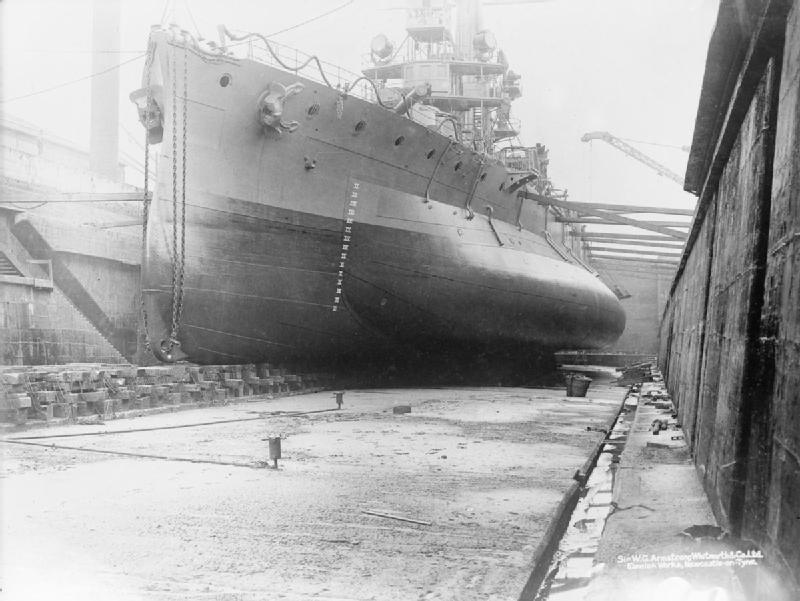
21世紀から見ると、こんなんで魚雷防御できてたころがうらやましいぜ。
(↓21世紀の魚雷。バルジで側面防御しても無駄。)
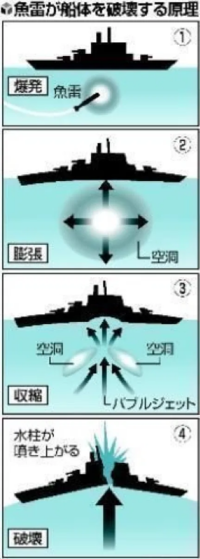
まあ、バルジは魚雷防御以外にも役割があるの。
日本海軍特務艦「宗谷」が戦後、南極観測船に改造されたときのバルジ新設がいい例かな。
復原力を増したり(※南極周辺は大荒れの海)、氷から船を守ったりするため、バルジが新設されたのよ。(下の図の⑤)
詳しくは船の科学館のHP資料を参照してちょうだい。
https://funenokagakukan.or.jp/ebook/index.html
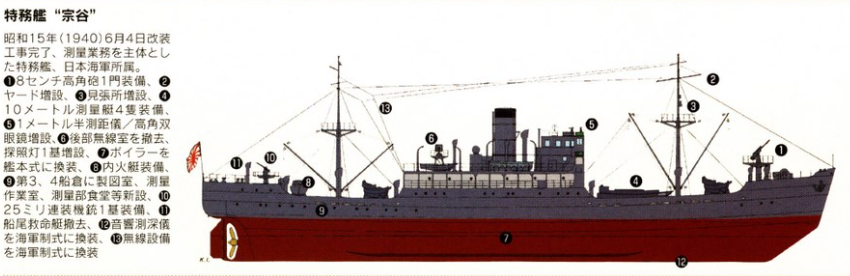
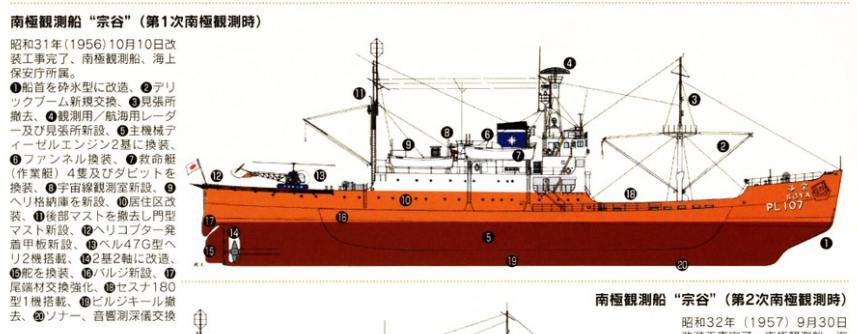
…これは不運な方の宗谷じゃなくて幸運な方の宗谷だな。
(読み方が違う)
…海軍ばっかりやってるけど大丈夫。陸軍もあと何章かしたら出てくるから。
第4章 第8段落 (第51話)
本段落では火星人の様子を詳細に表すために、専門用語が多く出てきます。原作者H・G・Wellsの見識の深さが伺える一節です。
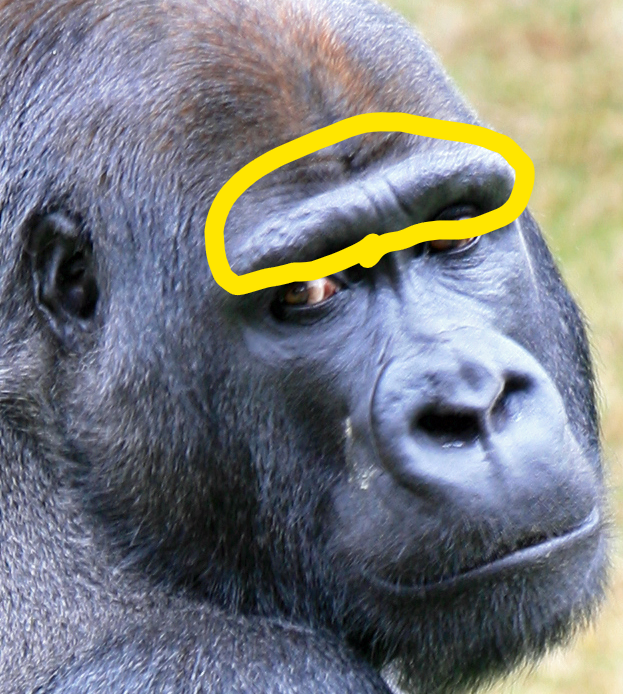
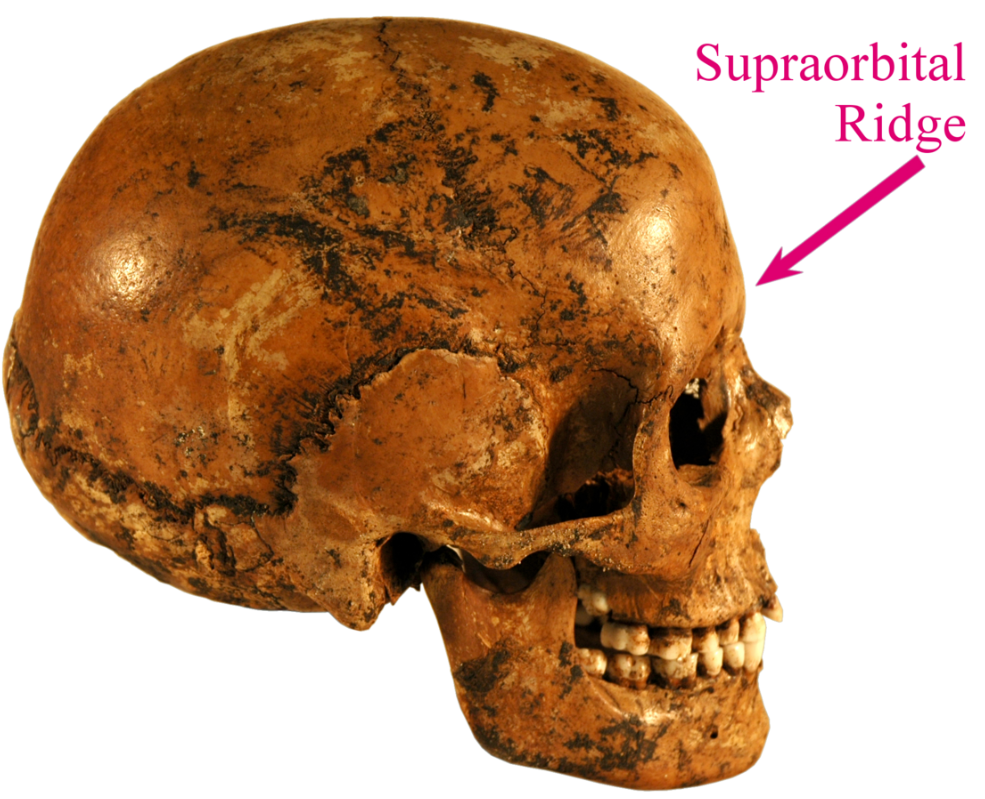
とゆーことで、これが「brow ridge」だよ(=supraorbital ridge)。日本語では「眼窩上隆起」っていうむずかしいワードになっちゃうんだけどね。
下のゴリラの黄色ペンで囲んだ部分みたいに、目の上の突き出したところのこと。
わたしたちホモサピエンス(特に女の子)にはあんまり見られないっぽいね。
問題編
Those who have never seen a living Martian* can scarcely imagine the strange horror of its appearance. The peculiar* V-shaped mouth with its pointed* upper lip, the absence of brow ridges*, the absence of a chin* beneath* the wedgelike* lower lip, the incessant* quivering* of this mouth, the Gorgon* groups of tentacles, the tumultuous* breathing of the lungs* in a strange atmosphere, the evident heaviness and painfulness of movement due to the greater gravitational* energy of the earth—above all, the extraordinary intensity* of the immense* eyes—were at once* vital*, intense, inhuman*, crippled and monstrous. There was something fungoid* in the oily brown skin, something in the clumsy* deliberation* of the tedious* movements unspeakably nasty. Even at this first encounter, this first glimpse, I was overcome with* disgust* and dread*.
Martian火星人 peculiar妙な pointedとがった brow ridges眼窩上隆起(上で解説) chin下あご beneath~の下に(前置詞) wedgelikeくさびのような incessant絶え間ない quiver震える Gorgonゴルゴン tumultuous(<tumult)騒々しい lung肺 gravitational重力の intensity強烈 immense巨大な at once同時に(≒at the same time≒together) vaital活力に満ちる inhuman非人間的な crippled不自由な体になって monstrous怪物のような(<monster) fungoidカビのような clumsyぎこちない deliberation緩慢 tedious長くて退屈な nasty嫌だ be overcome with~で弱る・参る・打ち倒される disgust嫌気 dread恐怖
1. オレンジのthoseを2語で言い換えると?
2. 黄色アンダーラインの一文(!)の主語と動詞は?
3. 緑のandが繋いでるものは?
4. 紫のandが繋いでるものは?
5. 赤アンダーラインの部分で省略されてる一語は?
6. 青のat句はどこまで?
解答編
Gorgon(ゴルゴン)ってのはこんなやつだ。頭が蛇の化け物。
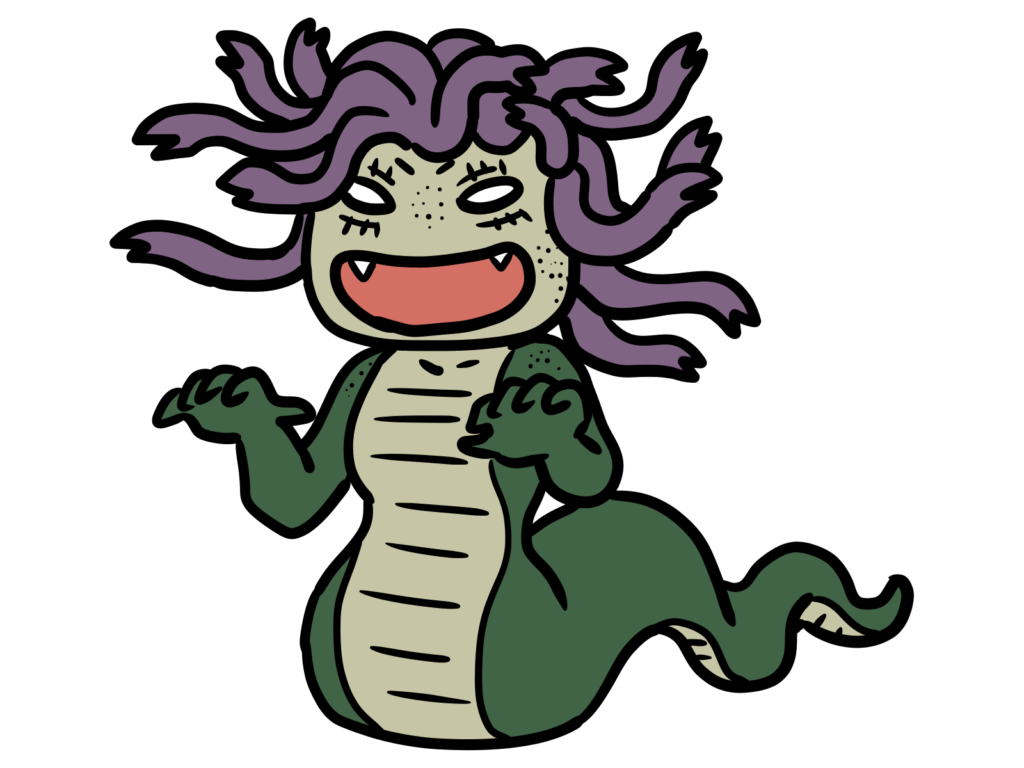
なになにGorgon? ロシアの ABM?
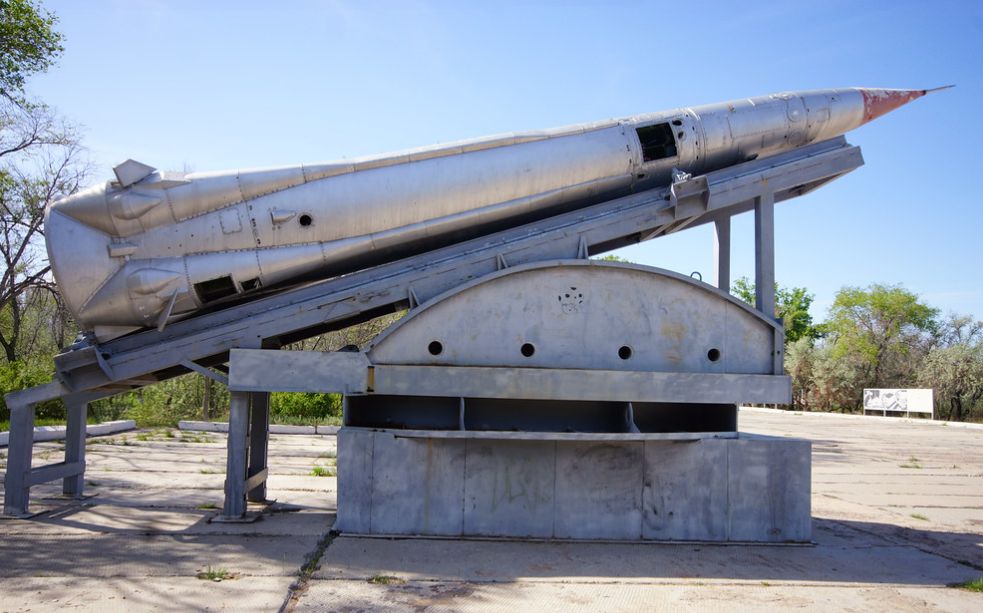
…見境ないな
<英文解釈記号ルール>
〔〕→関係詞句・節
【】→接続詞句・節
《》→挿入句・節
[ ] →名詞句・節
()→副詞句・節
〈〉→形容詞句・節
Those 〔who have never seen a living Martian*〕 can scarcely imagine the strange horror of its appearance. [The peculiar* V-shaped mouth with its pointed* upper lip], [the absence of brow ridges*], [the absence of a chin* 〈beneath* the wedgelike* lower lip〉], [the incessant* quivering* of this mouth], [the Gorgon* groups of tentacles], [the tumultuous* breathing of the lungs* (in a strange atmosphere)], [the evident heaviness and painfulness of movement 〈due to the greater gravitational* energy of the earth〉] 《—above all, the extraordinary intensity* of the immense* eyes—》were (at once*) vital*, intense, inhuman*, crippled* and monstrous*. There was something fungoid* in the oily brown skin, something in the clumsy* deliberation* of the tedious* movements unspeakably nasty. Even (at this first encounter, this first glimpse), I was overcome with* disgust* and dread*.
1. オレンジのthoseは「the people」と言い換えられます。thoseの言い換えは「the+複数形」と「the people」の2通り覚えておきましょう。
2. 黄色アンダーラインの一文(!)の主語は、the peculiar…, the absence…, the absence…, the incessant…, the Gorgon…, the tumultuous…, the evident…, the extraordinary… です。たくさんありますね(andでは繋がれてません。カンマで区切られてます。)。動詞はwere。
3. 緑のandが繋いでるものは「heaviness」と「painfullness」。黄色アンダーラインの部分のたくさんある主語をつなぐandがどれかなぁと探していると、ついこのandに飛びつきたくなりますが冷静に。-nessで終わってる2語が前後にあるので、そりゃあここを結び付けてるよなぁとわかるはずです。
4. 紫のandが繋いでるものは、vital, intense, inhuman, crippled, monstrousです。
5. 赤アンダーラインの部分で省略されてる1語は「being」で、movementsとunspeakablyのあとに入ります。独立分詞構文ですね。
カンマがandの代用をしていると考えるかもですが、動詞がwasだからありえないです。
カンマが同格(somethingの説明)をしていると考えるのはありかもしれません。意味の取り方によっては。
6. 青のat句はglimpseまでです。encounterのあとのカンマは同格で見てもいいし、or(言い直し)の代用ととってもいいと思います。「最初の遭遇、いや、最初見た瞬間に」と強めてる感じかな。
…火星は大気組成が全然違う(あちらは二酸化炭素が主体だし、そもそも薄い)だから「a strange atomosphere」。
で、地球の重力は火星の3倍だから「heaviness and painfulness」を感じるわけ。
さらに、眼が「immense eyes」となっていたのも、地球より太陽から遠いからそりゃあ地球の眼より大きくなるはずってことかしらね。
息切らしてるなんて、宇宙服着てこない方もどうかしてると思うけどね。
だからこのときにはまだそんなのないんだってば。
全訳
生きている火星人を見たことない人は、その外見の変な恐怖をほとんど想像できないだろう。
妙な V 字状の口にとがった上唇がついていて、眼窩上隆起はなく、くさびのような下唇の下にあごがなく、絶え間なく口が震え、ゴルゴンのような触手群を持ち、慣れない大気の中で肺が騒々しく呼吸し、地球の重力が火星より大きいために明らかに動作が鈍重で痛そうになっていたーとりわけ、巨大な眼が異常なほど強烈だったー。そういうことは同時に、活力があり、鮮烈で、非人間的で、不自由な体になった、怪物のようなものだという印象を与えた。
ギトギトした茶色の皮膚に菌性の何かがついており、長い動きがぎこちなく緩慢で、何かしら言いようのないほど不快だった。
まだ一回目の遭遇にして、わずか一目見ただけで、わたしは嫌気と恐怖に圧倒された。
えっ「There was something fungoid* in the oily brown skin」?
体にカビ生えてんの
むりむりむり
第4章 第9段落 (第52話)
前提知識
Horsell Commonの中の宇宙船着陸(墜落)地点「sand-pit」は、こんな感じの開けた砂地ね。
一応復習しておくけど、「sand-pit」はこの砂地地帯の名前で、ここに火星人の宇宙船が着陸してその衝撃でできたクレーター・穴が「pit」よ。
奥に見えるのは「pine trees」(松林)かしら。第39話のように、墜落の爆風で松林や周辺の草花はなぎ倒されたり燃えたりしてるから、周りは真っ黒よ。
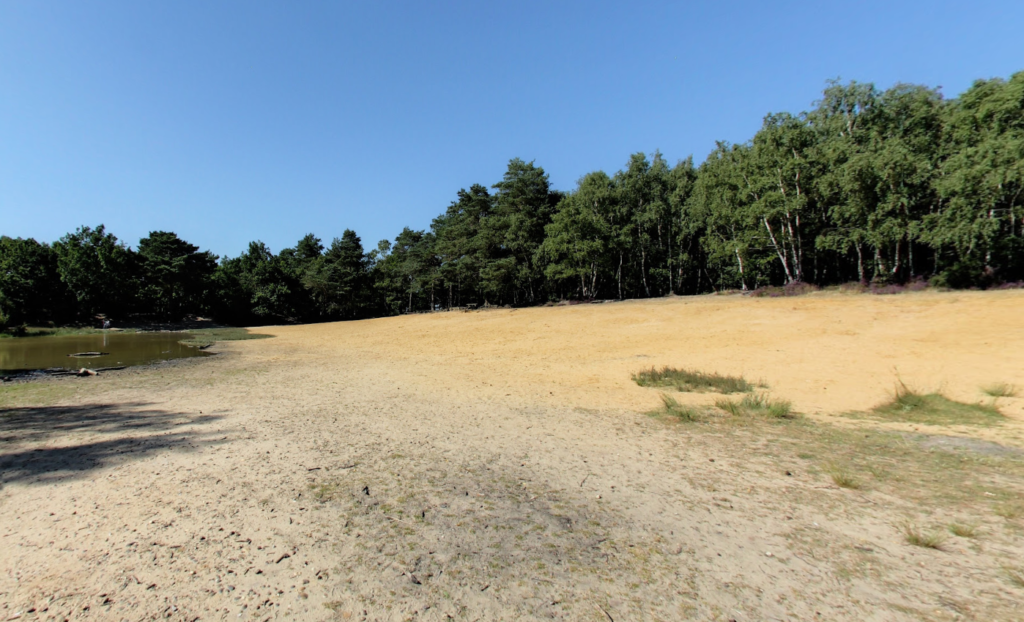
ということで、開けたところに円筒と火星人がいて、周囲は黒焦げで、少し離れたところに生き延びた森があるというイメージを持っておいてください。
問題編
Suddenly the monster vanished*. It had toppled* over the brim* of the cylinder and fallen into the pit, with a thud* like the fall of a great mass of leather*. I heard it give a peculiar thick cry*, and forthwith* another of these creatures appeared darkly* in the deep shadow of the aperture*.
I turned and, running madly, made ( ) the first group of trees, perhaps a hundred yards away; but I ran slantingly* and stumbling*, for I could not avert* my face from these things.
vanish消える topple倒れる brimへり thudドシーンという音 leather革 cry叫び声 forthwith直ちに darklyぼんやりと aperture穴 slantingly斜めに stumbleつまずく avertそむける(<a+vert回す)
1. オレンジのandが繋いでるものは?
2. 青アンダーラインの文型表示は?
3. 灰色(青アンダーライン上)のitが指しているものは?
4. 紫のandが繋いでるものは?
5. 緑のandが繋いでるものは?
6. 「~に向かって進む」という意味になるように茶色のかっこの中に前置詞一語を入れると?
7. 青のforの意味は?
…ヤードポンド法は慣れた?
100ヤード≒90mだよ。
忘れてたよって人は第23話を見てね。
解答編
<英文解釈記号ルール>
〔〕→関係詞句・節
【】→接続詞句・節
《》→挿入句・節
[ ] →名詞句・節
()→副詞句・節
〈〉→形容詞句・節
Suddenly the monster vanished*. It had toppled* (over the brim* of the cylinder) and fallen (into the pit), (with a thud* like the fall of a great mass of leather*). I heard it give a peculiar thick cry*, and (forthwith*) another of these creatures appeared darkly* (in the deep shadow of the aperture*).
I turned and, 《running madly》, made (for) the first group of trees, 〈perhaps a hundred yards away〉; but I ran (slantingly*) and (stumbling*), 【for I could not avert* my face from these things】.
1. オレンジのandが繋いでるものは「toppled」と「fallen」。過去分詞2つ。
2. 青アンダーラインの文型表示は上の通り。hear O 原型(C) の形。一応文法的にはこれは第五文型として処理します。
3. 灰色(青アンダーライン上)のitが指しているものは「the monster」(第一文)。
4. 紫のandが繋いでるものは前と後ろの2つの文章(SV)。
5. 緑のandが繋いでるものはturnedとmade。
6. 「~に向かって進む」という意味になるように茶色のかっこの中に前置詞一語を入れると「for」。make forで「~へ進む」。toを入れないように注意。
7. 青のforの意味は「というのは~だからだ」。何回目だよって感じですよね。
makeってマルチロール機だよね。
F35みたいなオールマイティ感ない?
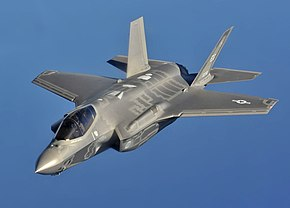
かも。
第3~第5文型:make O for A, make O O, make O C。よく見るやつ。
第1文型:上記のmake for(というかこれ以外ある?)
第2文型:She will make a good scientist.(彼女はすばらしい科学者になるだろう)のように、make≒becomeで「~になる」という意味で使われることがあったり。
全訳
突然、その怪物は視界から消えた。革製の大きな物体が落下するようなドシーンという音を立てて、円筒のへりをこえて倒れ、穴の中に落っこちた。怪物が奇妙な太い叫び声をあげるのが聞こえ、すぐにもう一体の同種の生き物が穴の暗闇の中にぼんやり現れた。
わたしは振り向き、狂ったように走り、体感 100 ヤード離れていた最も近い林へ向かった。でも、まっすぐ進めず、つまずきながら走った。というのも、それらの化け物から目を背けられなかったからだ。
やっぱり訳がちょっとずつ難しくなってくるな。
「the first group of trees」は直訳の「最初の木のかたまり」、「avert my face」は直訳すると「顔を背ける」となって、日本語としておかしいな。
日本語に合わせて「最も近い林」(firstは最上級含意ということを意識しよう)、「目を背ける」としてあげると綺麗だ。
第4章 第10段落 (第53話)
前提知識
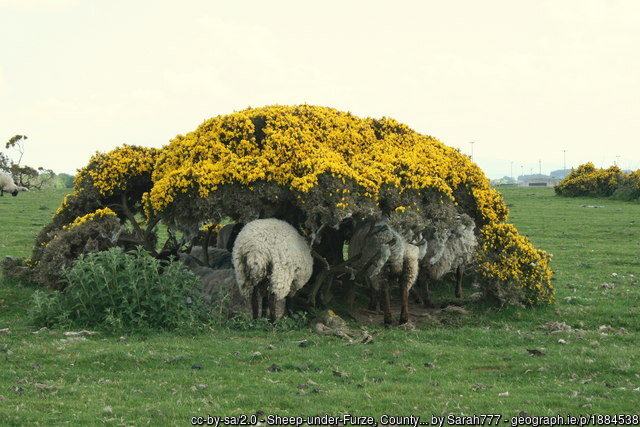
これが西欧原産の低木 furze(ハリエニシダ)よ。
heath, heather, pineなどと同じく、イギリスではよくみられる植物ね。
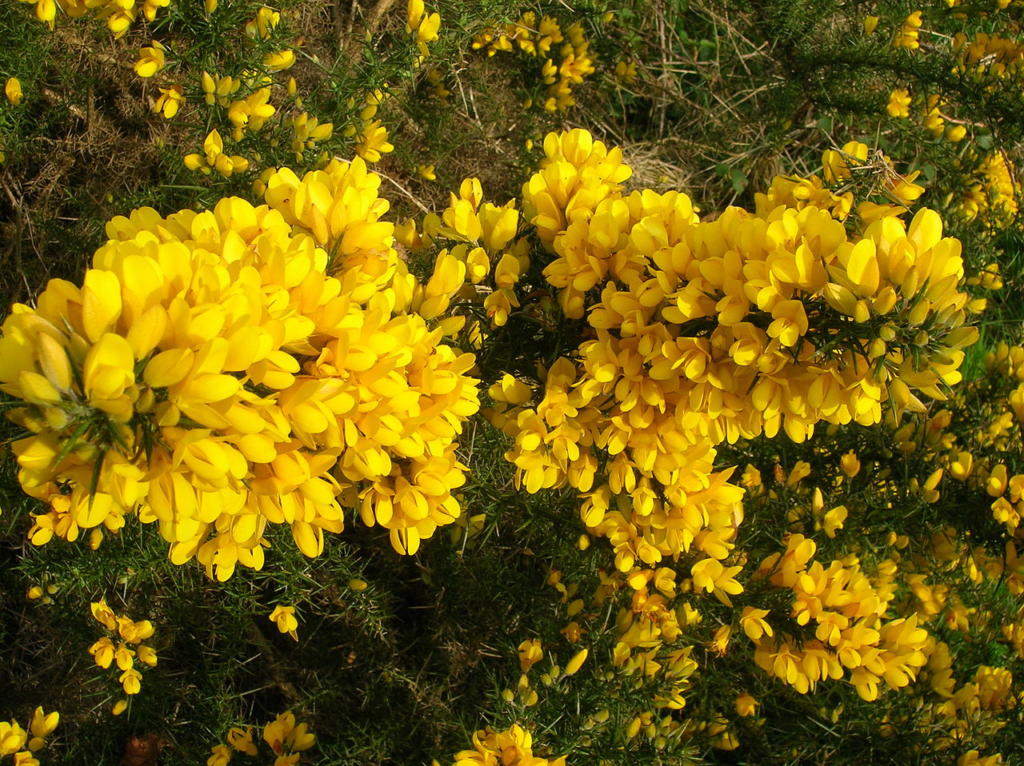
問題編
There, among some young pine trees* and furze* bushes*, I stopped, panting*, and waited further developments. The common round the sand-pits was dotted* with people, standing like myself in a half-fascinated terror, staring at these creatures, or rather at the heaped* gravel* at the edge of the pit in which they lay. And then, with a renewed* horror, I saw a round, black object bobbing up and down* on the edge of the pit. It was the head of the shopman* who had fallen in, but showing as a little black object against the hot western sun. Now he got his shoulder and knee up, and again he seemed to slip back until only his head was visible. Suddenly he vanished, and I could have fancied a faint shriek* had reached me. I had a momentary* impulse to go back and help him that my fears overruled*.
pine tree松の木 furzeハリエニシダ bush低木(↔tree) pant息を切らす …be dotted with~ …に~が点在している heaped山積みになった gravel砂利 renew新しくする bob up and down上下する shopman店員 shriek金切り声・悲鳴 momentary一瞬の overrule覆す
1. オレンジのandが繋いでるものは?
2. 赤のorが繋いでるものは?
3. 灰色のtheyが指しているものは?
4. 青のitが指しているものは?
5. 緑のbutが繋いでるものは?
6. 茶色のagainstの意味は?
7. 紫のupの品詞は?またこれが修飾しているものは?
8. 青アンダーラインの部分の訳は?
9. ピンクのthatの先行詞は?
解答編
<英文解釈記号ルール>
〔〕→関係詞句・節
【】→接続詞句・節
《》→挿入句・節
[ ] →名詞句・節
()→副詞句・節
〈〉→形容詞句・節
(There), (among some young pine trees* and furze* bushes*), I stopped, (panting*), and waited further developments. The common 〈round the sand-pits〉 was dotted* with people, 〈standing like myself in a half-fascinated terror〉, 〈staring (at these creatures), or rather (at the heaped* gravel* at the edge of the pit 〔in which they lay〕)〉. And then, (with a renewed* horror), I saw a round, black object bobbing up and down* on the edge of the pit. It was the head of the shopman* 〔who had fallen in〕, (but showing as a little black object against the hot western sun). Now he got his shoulder and knee up, and again he seemed to slip back until only his head was visible. Suddenly he vanished, and I could have fancied a faint shriek* had reached me. I had a momentary* impulse 〈to go back and help him〉 〔that my fears overruled*〕.
1. オレンジのandが繋いでるものは「stopped」と「waited」。
2. 赤のorが繋いでるものは、staringにかかる2つのat句。このorは言い換えのorですね。(「というか」と訳すやつ)
3. 灰色のtheyが指しているものはthese creatures。
4. 青のitが指しているものは a round, black object。
5. 緑のbutについて、元々はbutの後ろが it showed as…という風な文章でした。そして分詞構文にしたとき、本来は showingから始まるんだけども、どう接続詞がついていたのか意味がわかりにくいから、butをつけてわかりやすくしています。while Vingなどの形でよく出てくると思います。
ということで、強いて言うならbutは前後の2文を繋いでるということでしょうか。
6. 茶色のagainstの意味は「~を背景にして」。この小説ではよく出てくる意味なので、もうここで覚えてください。
7. 紫のupは副詞です。前のgotと呼応して、get up~の形を作っています。
8. 青アンダーラインの部分はcould have 過去分詞 の形です。仮定法では意味が取れないので、過去の推量ですね。基本的にcould have 過去分詞の推量は意味が否定的です。だからここでも、聞こえたような気もするし、聞こえなかった気もする…という感じ。
9. ピンクのthatの先行詞は「impulse」ですね。
全訳
そこの若いマツの高木とハリエニシダの低木の中で、わたしは立ち止まり、息を切らしながら、さらなる事態の進展を待った。砂地周辺の共有地には、人々が点在していた。みんなはわたしのように半分興味を持ちながら恐怖を抱いて立ってたり、これらの生物、いやむしろその生物が中にいる穴のふちの砂利の山を、見つめたりしていた。そしてその後、恐怖が戻ってくるとともに、丸く黒い物体が穴のふちで上下に揺れているのが見えた。それは穴に落下した店員の頭だったが、暑い西日を背景に、黒い小物体のように見えた。彼は肩とひざを持ち上げたが、また、頭だけが見えるようになるまで滑落したようだった。
突然、彼の姿は消えた。かすかな悲鳴が聞こえたような気もする。わたしは戻って助けたいという一瞬の衝動に駆られたが、恐怖がまさった。
ちょっと待ってくれ
こんな簡単に犠牲者出ていいのか?
…このさきはもっと悲惨よ。
怖いなぁ
…少なくとも1928年パリ不戦条約が結ばれるまで、戦争なんて合法だったのよ。
それに、異なる文化が出会ったとき、強いものが弱いものを蹂躙するのが当然の世界だから。
それこそイギリス帝国が植民地にやってきたことだし。(第6話参照)
第4章 第11段落 (第54話)
前提知識
「The barrow of ginger beer」(ジンジャービールを載せた手押し車)は第39話に出てたよね。
うん。「enterprising」(商才ある)と述べてるぞ。
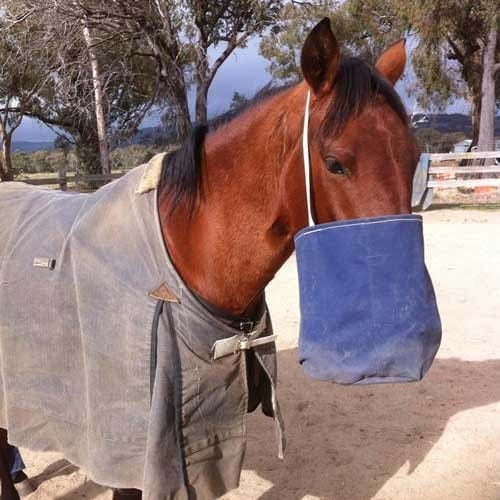

さて今回も馬車の国イギリスの知識よ。上の写真で、馬の頭についてる給餌用の青い袋を「nosebag」(feedbagとも)というわ。この中にエサ(葉っぱ)が入ってるから日本語では「飼葉袋」と訳されたりするけど、21世紀の常識的に「餌袋」でいいかしらね。
nosebagには、周りがよごれなかったりエサの奪い合いを防げたりするメリットがあったのよ。
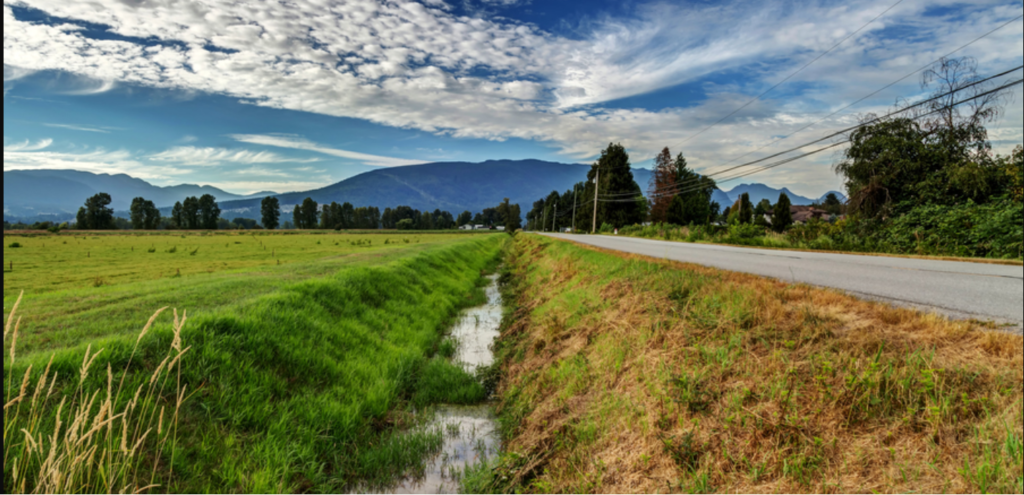

そしてこれからたまに登場する言葉として「ditch」(上写真)があるぞ。ネットの辞書では「溝」「水路」と書いてるのが多いけど、この小説中では都市の排水溝みたいな狭いものじゃなくて、ちょっと幅があるものだ。
日本なら田んぼの用水路が近いかな。一番近い訳語を当てはめるなら「明渠」「開渠」だ(難しい?)。水は入っていたり入っていなかったりする。
問題編
Everything was then quite invisible, hidden by the deep pit and the heap of sand that the fall of the cylinder had made. Anyone coming along the road from Chobham or Woking would have been amazed* at the sight*—a dwindling* multitude* of perhaps a hundred people or more standing in a great irregular* circle, in ditches*, behind bushes*, behind gates and hedges*, saying little to one another and that in short, excited shouts*, and staring, staring hard at a few heaps* of sand. The barrow* of ginger beer stood, a queer* derelict*, black against the burning sky, and in the sand-pits was a row* of deserted* vehicles* with their horses feeding* out of nosebags* or pawing* the ground.
amazed驚く sight光景 dwindle次第に減少する multitude群衆 irregularでこぼこな ditch溝 bush低木(前段落参照) hedge生垣 shout叫び heap山 barrow手押し車 queer不自然な derelict遺棄物 row列 desert見捨てる vehicle乗り物 feed食べる nosebag飼葉袋 paw地面を打つ
1. 紫のlittleの意味は?
2. 緑のone anotherの意味は?
3. 赤アンダーラインの訳は?
4. 茶色のandが繋いでるものは?
5. ピンクのandが繋いでるものは?
6. 青のアンダーラインの文型表示は?
7. 赤のwithの役割(用法)は?
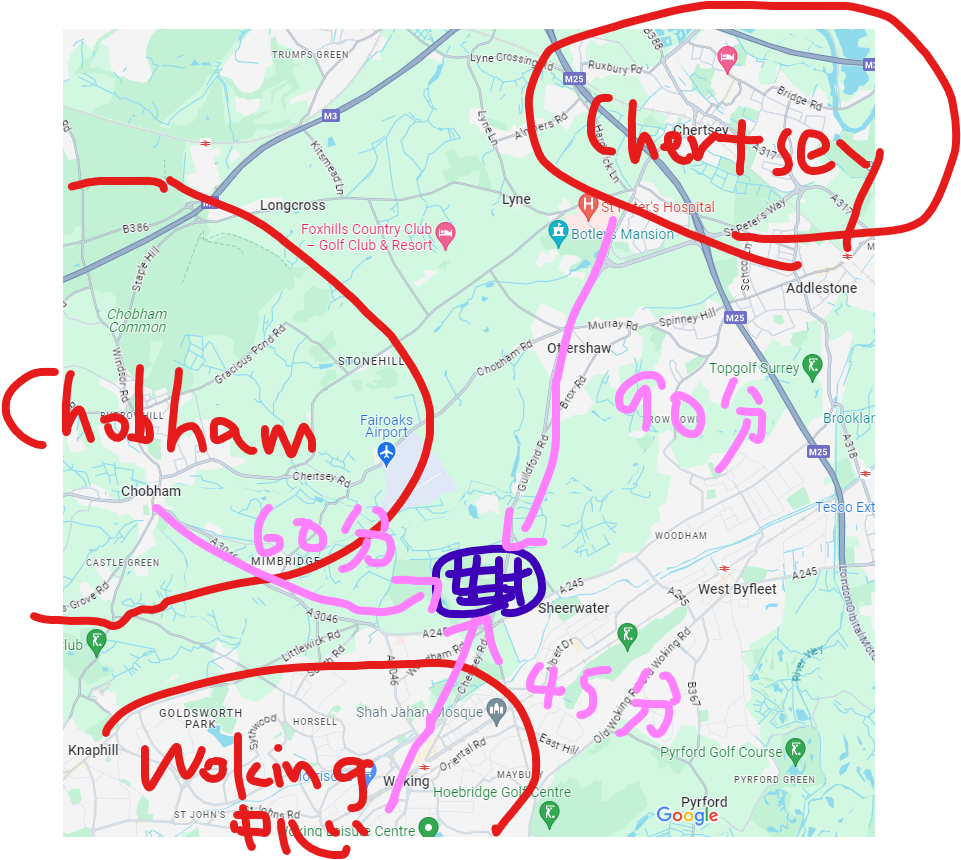
Chobham、Wokingから宇宙船着陸地点(青色)までの地図をもっかい見せるよ!
かなり遠いから、多くがマイカー(馬車)で見に来てるってかんじ!
解答編
<英文解釈記号ルール>
〔〕→関係詞句・節
【】→接続詞句・節
《》→挿入句・節
[ ] →名詞句・節
()→副詞句・節
〈〉→形容詞句・節
Everything was (then) quite invisible, (hidden by the deep pit and the heap of sand 〔that the fall of the cylinder had made〕). Anyone 〈coming along the road from Chobham or Woking〉 would have been amazed* at the sight*—a dwindling* multitude* of perhaps a hundred people or more 〈standing (in a great irregular* circle), (in ditches*), (behind bushes*), (behind gates and hedges*)〉, 〈saying (little to one another) and that (in short, excited shouts*)〉, and 〈staring, staring hard at a few heaps* of sand〉. The barrow* of ginger beer stood, 《a queer* derelict*》, black against the burning sky, and (in the sand-pits) was a row* of deserted* vehicles* (with their horses feeding* out of nosebags* or pawing* the ground).
1. 紫のlittleの意味は「ほとんど~ない」。準否定語ですね。
2. 緑のone anotherの意味は「お互いに」。21世紀ではeach otherとほぼ置換可能です。
3. 赤アンダーラインの訳について、and that~は「しかも~」という意味です(熟語)。shortのあとのカンマはshortとexcitedを並列するカンマです。thatの用法とカンマの用法をしっかり判断していきましょう。特に一文が長いイギリス英語において、andの代用ではないカンマ(=パーツの区切り)のイメージ(ひと呼吸入れるイメージ)は大事です。
4. 茶色のandが繋いでるものは「standing」「saying」「staring」です。at the sightーのあとのsightの説明部分は、a dwindling multitude…standing, saying, and staringという構造になっています。訳すときには独立分詞構文(=stood, said, staredと、もとの動詞に戻して訳す)として解釈するといいと思います。「ー」の働きが微妙なので厳密には何とも言えませんが…。
5. ピンクのandは前後の2文を繋いでいます。まあ、まずSVが見えないといけませんね。
ただ、たいてい、カンマ+andは、大きなパーツを繋いでいます。先ほど言ったように一呼吸入れてるわけですから。
6. 青のアンダーラインの文型表示は上の通りです。andの前は、stand Cの第二文型で、andの後は、副詞+VSの第1文型倒置ですね。
7. 赤のwithの役割(用法)は付帯状況(独立分詞構文にwithがついた系のやつ)です。
全訳
…「standing in a great irregular circle」っていうのは、直訳だと「いびつな円の中に立っている」、つまり、宇宙船を囲んでる人の輪が後退して変な形になってるってこと。
あと「and that in short, excited shouts」は名詞構文で訳してあげるといいかも。
円筒が落ちたことで作られた深い穴と砂の山に隠されて、そのとき、あらゆるものがまったく見えなくなった。チョブハムやウォーキングからの道沿いに来た人は誰でも、目の前に広がる光景に驚いただろうーおそらく 100 人以上の集団はだんだん小さくなっていって、巨大でいびつな人の輪となり、明渠の内や低木のうしろ、門や生垣の背後に立っていた。お互いにほとんど言葉を交わさず、声を出したとしても短く興奮して叫ぶだけだった。そして熱心に見つめていたのは、数個の砂山だった。ジンジャービールを積んだ手押し車は、不自然に放っておかれてて、燃える空を背景に黒かった。そして砂地には捨てられた乗り物が並んでいて、その馬たちは餌袋から草を食べていたり、ひづめで地面を打っていたりした。
おや…車両がたくさん遺棄されている…
自走砲に改造できないかな?
…できるのは火砲の「運搬」だけ。
↓第一次世界大戦中のイギリス軍。18ポンド砲運搬の様子。
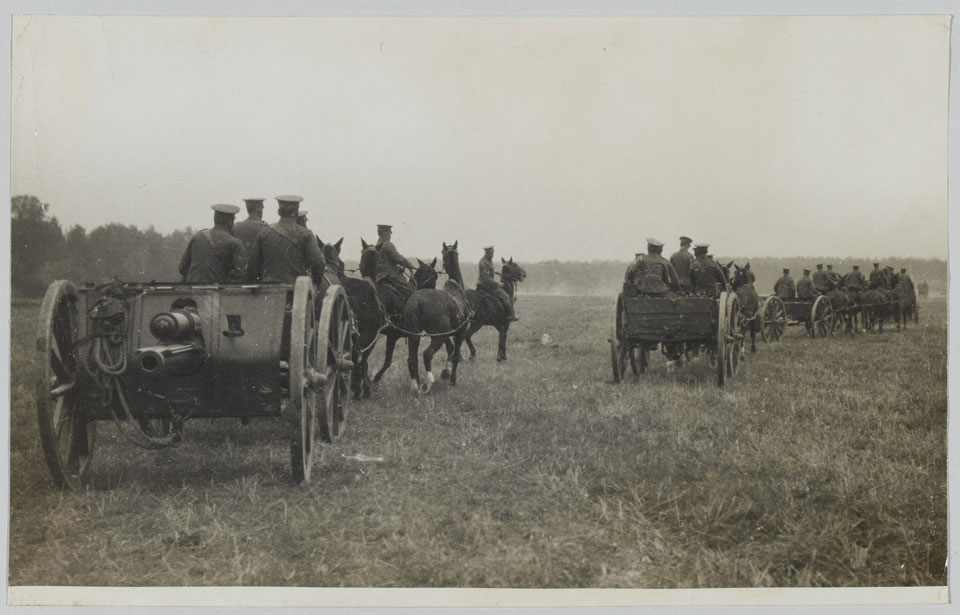
1ポンド≒0.45kgだから、18ポンド≒8.1kgの砲弾を撃てるってことね。
…ちなみに、イギリスの傑作現代戦車センチュリオン(1945)は17ポンド砲。
曲射(野砲)と平射(戦車砲)だし、その比較意味ない気もするのだが。
あ、次回から第5章です。




コメント